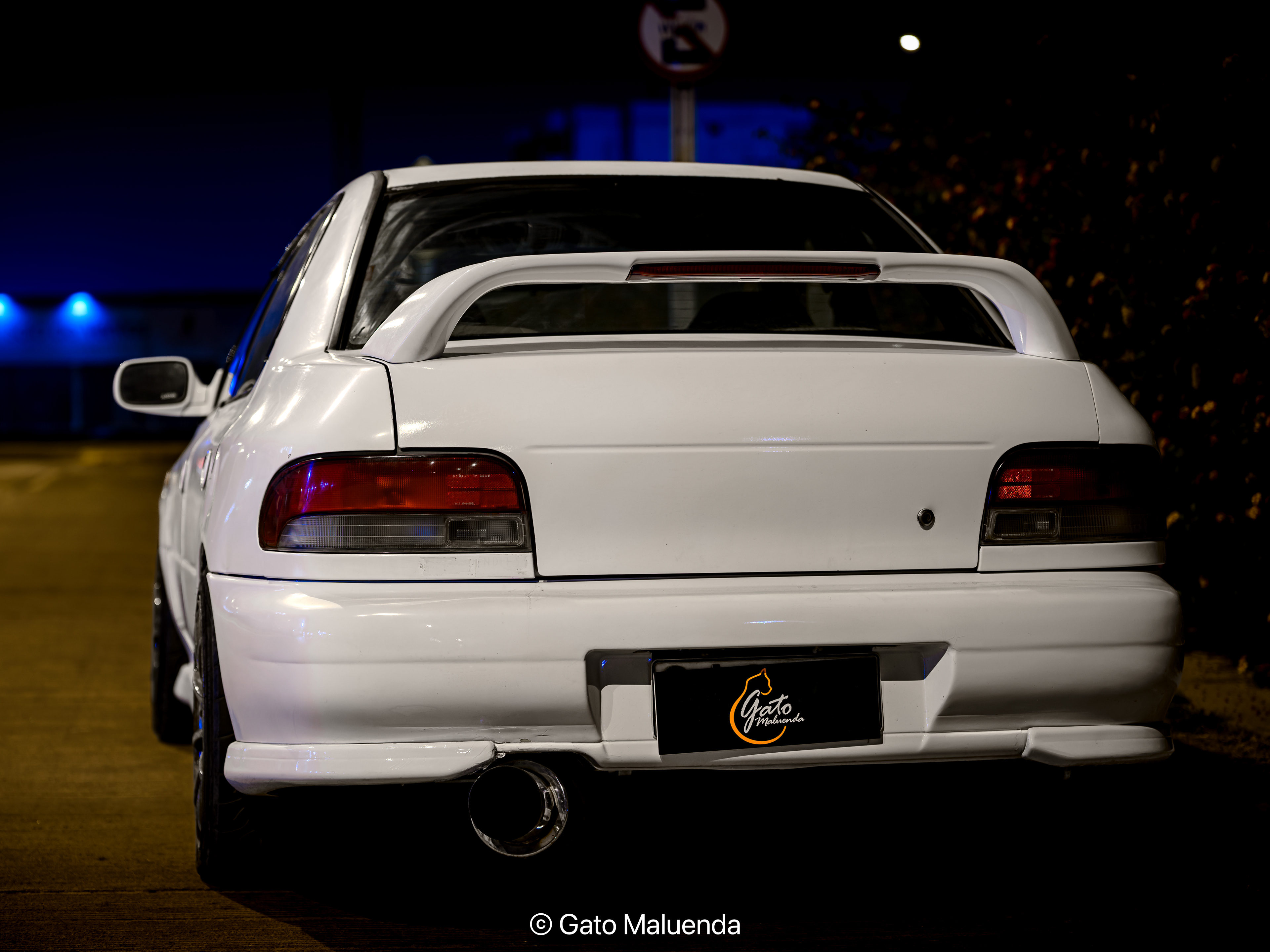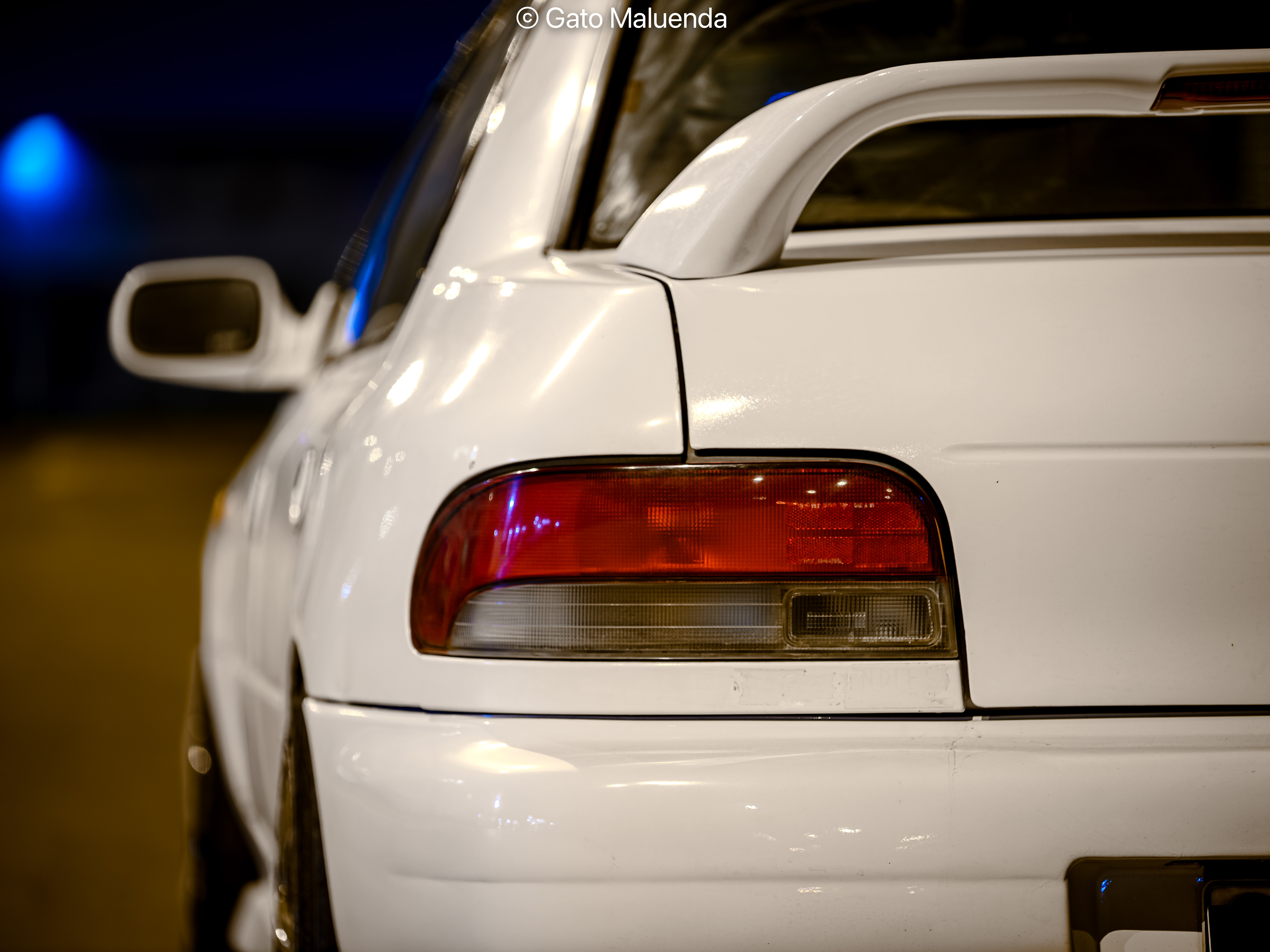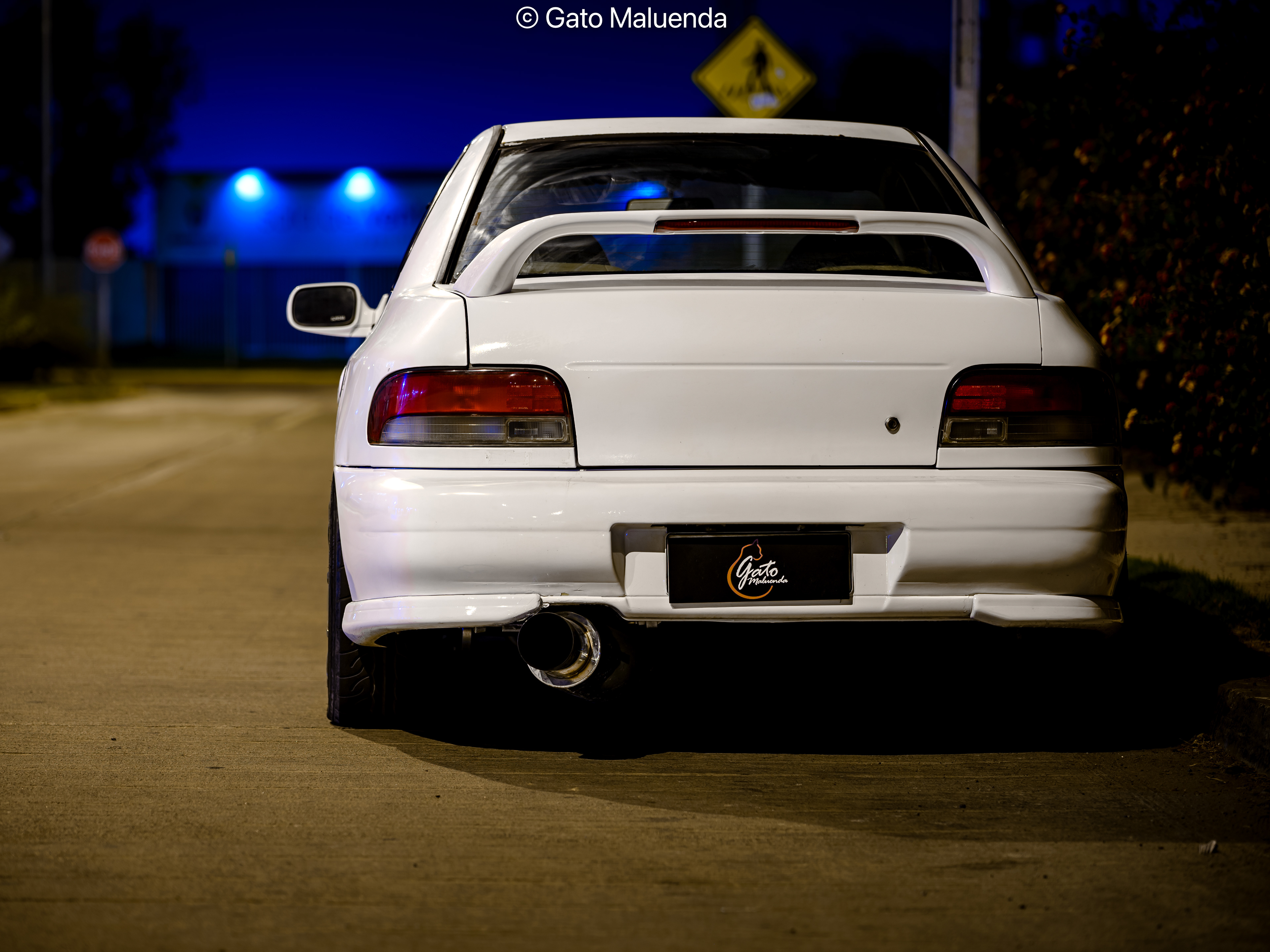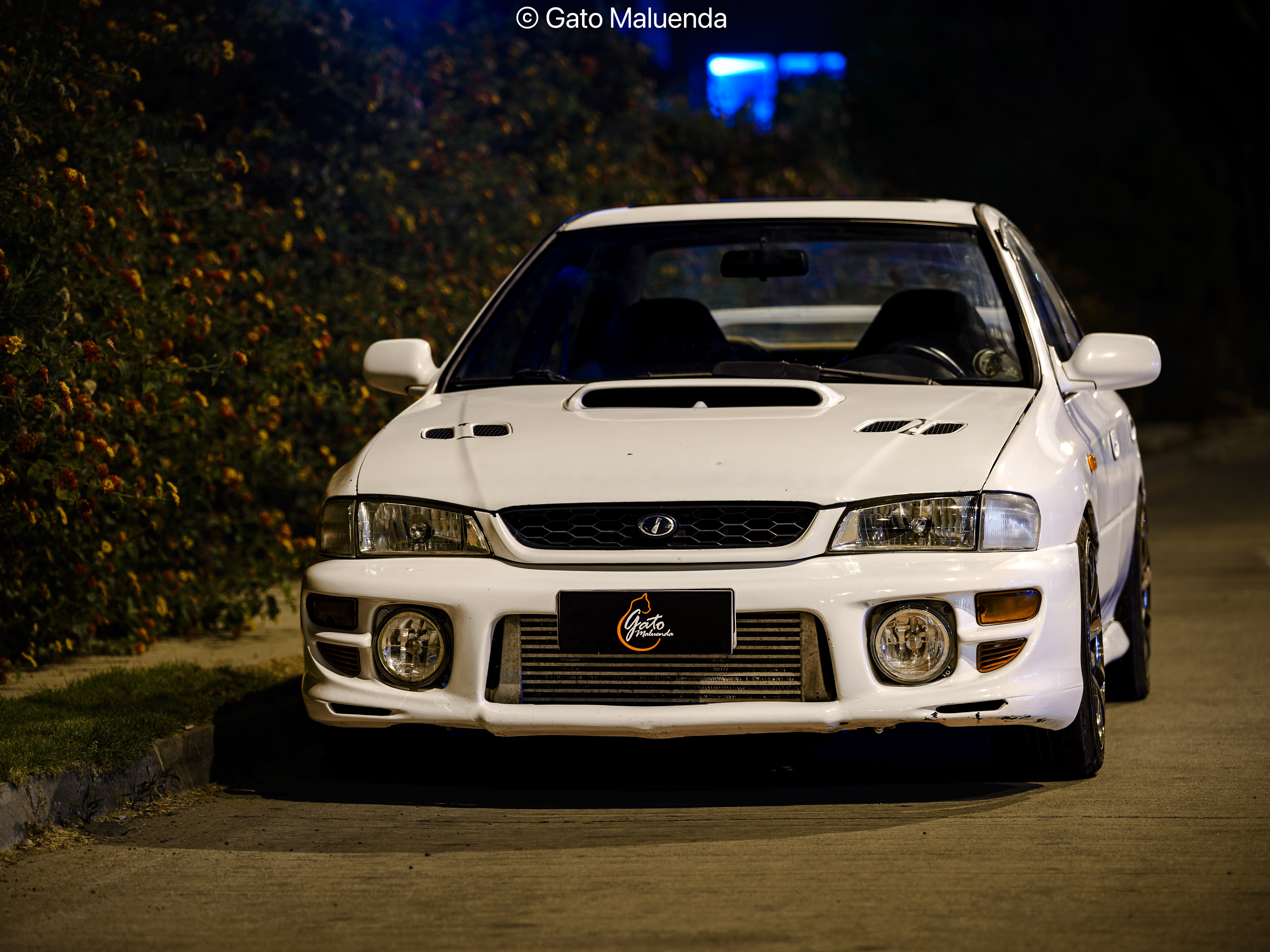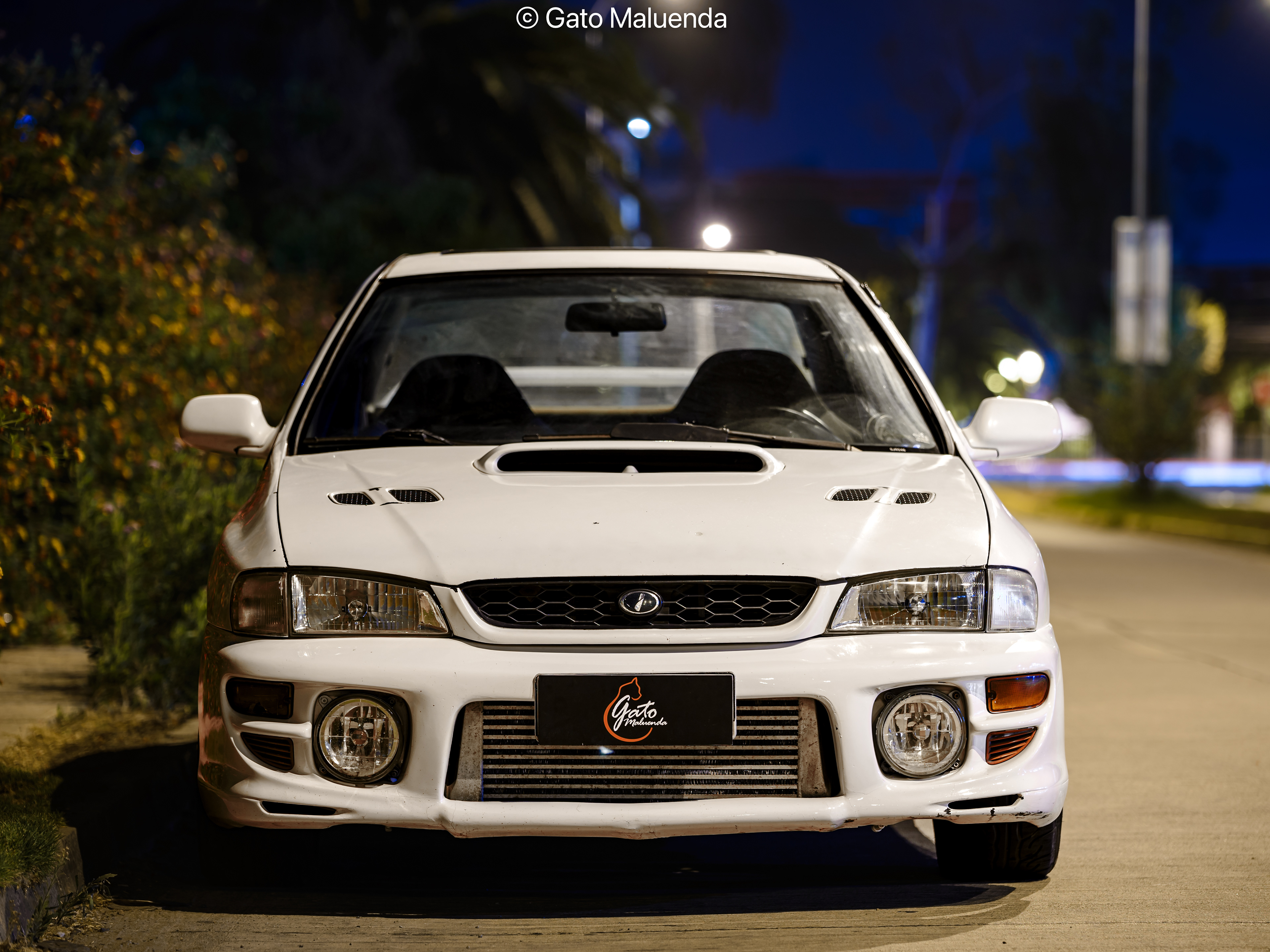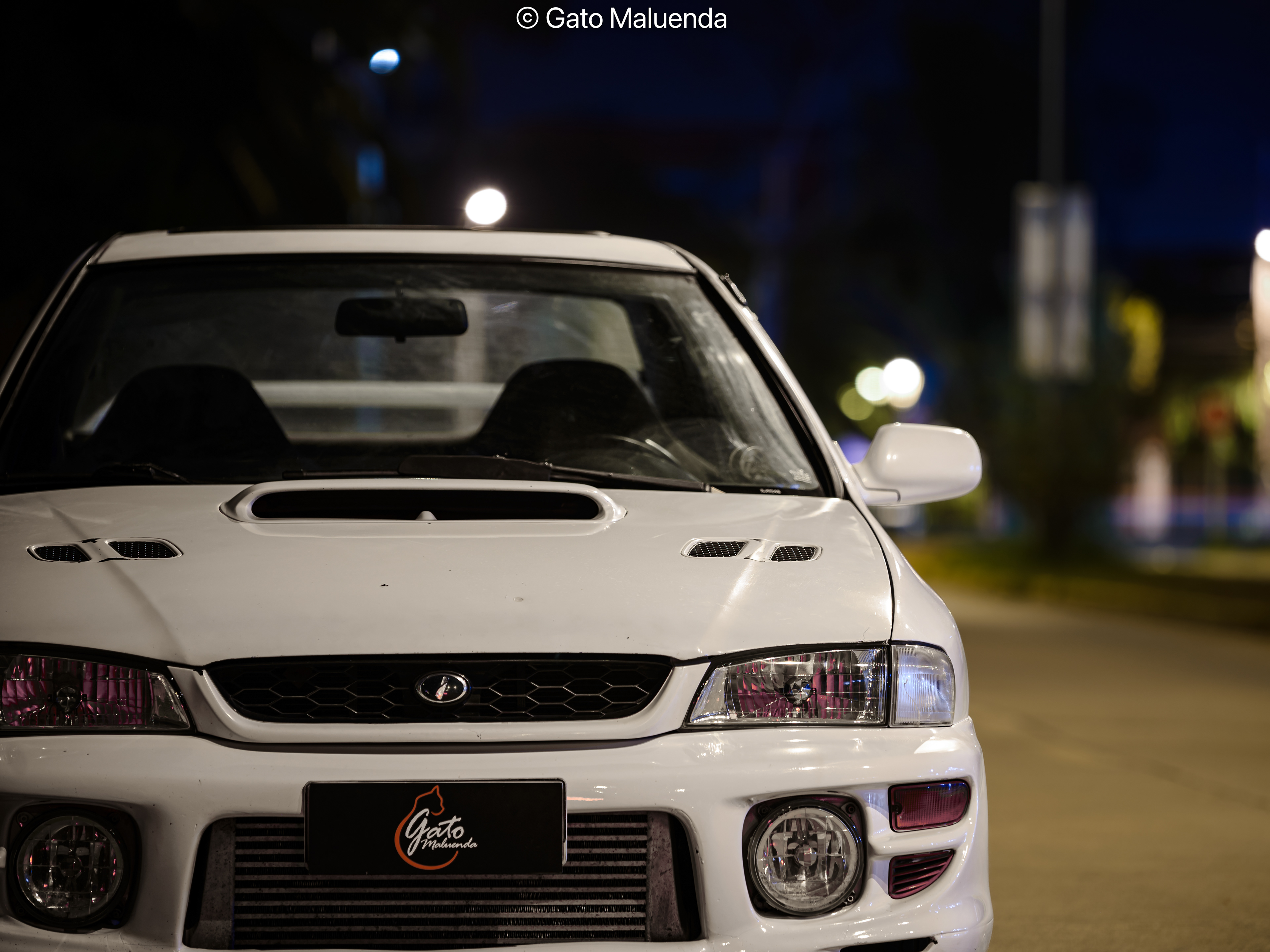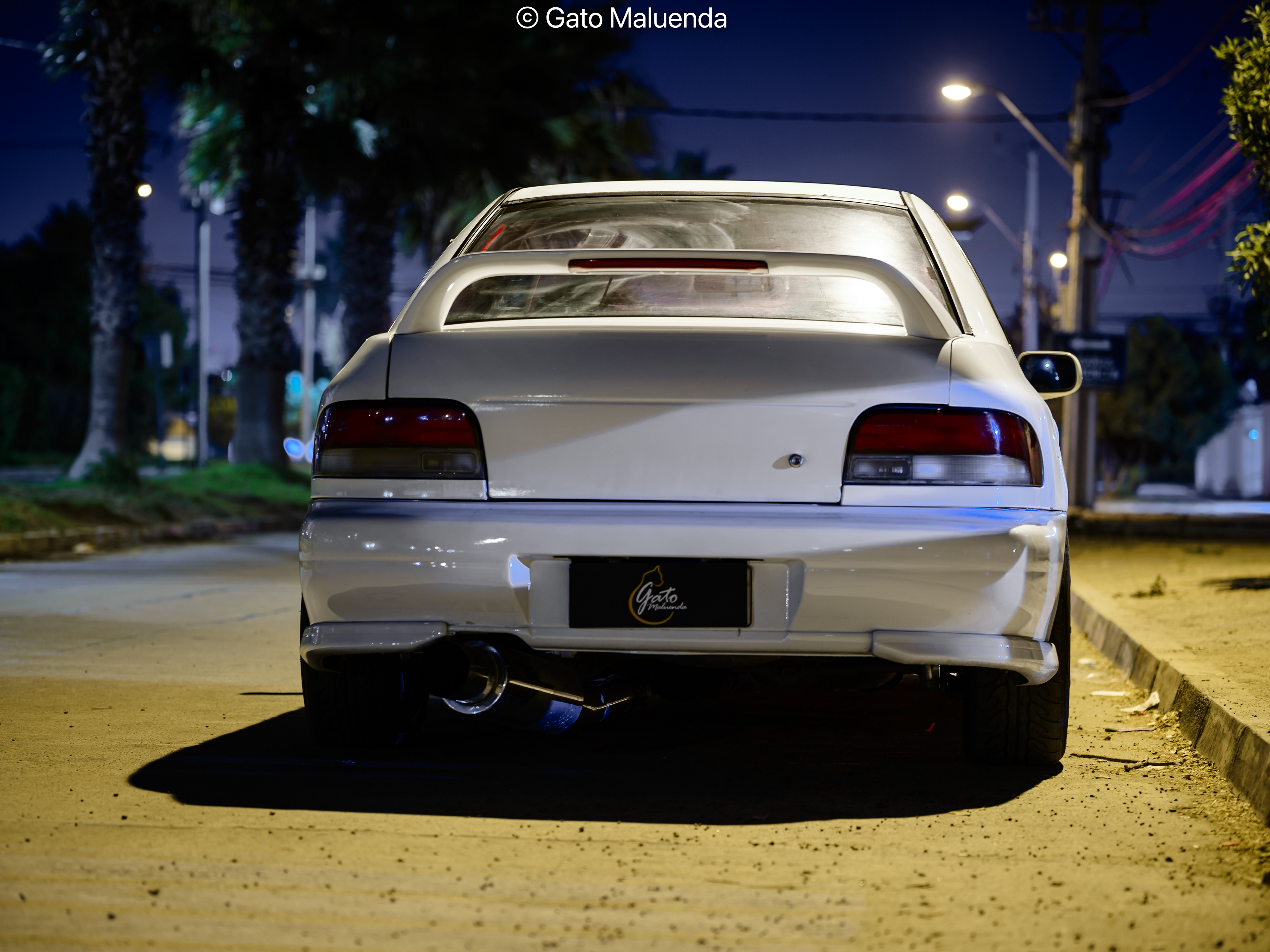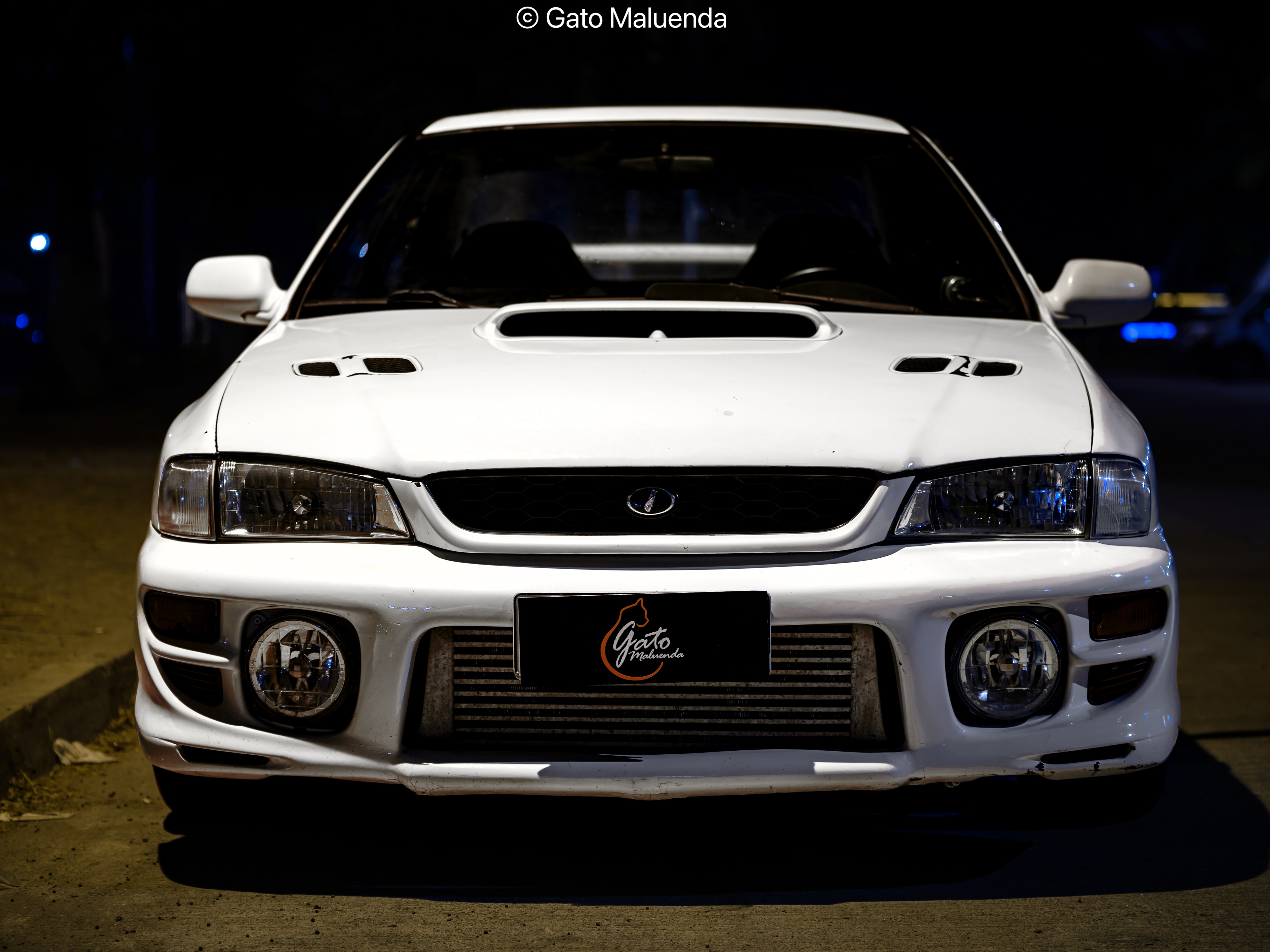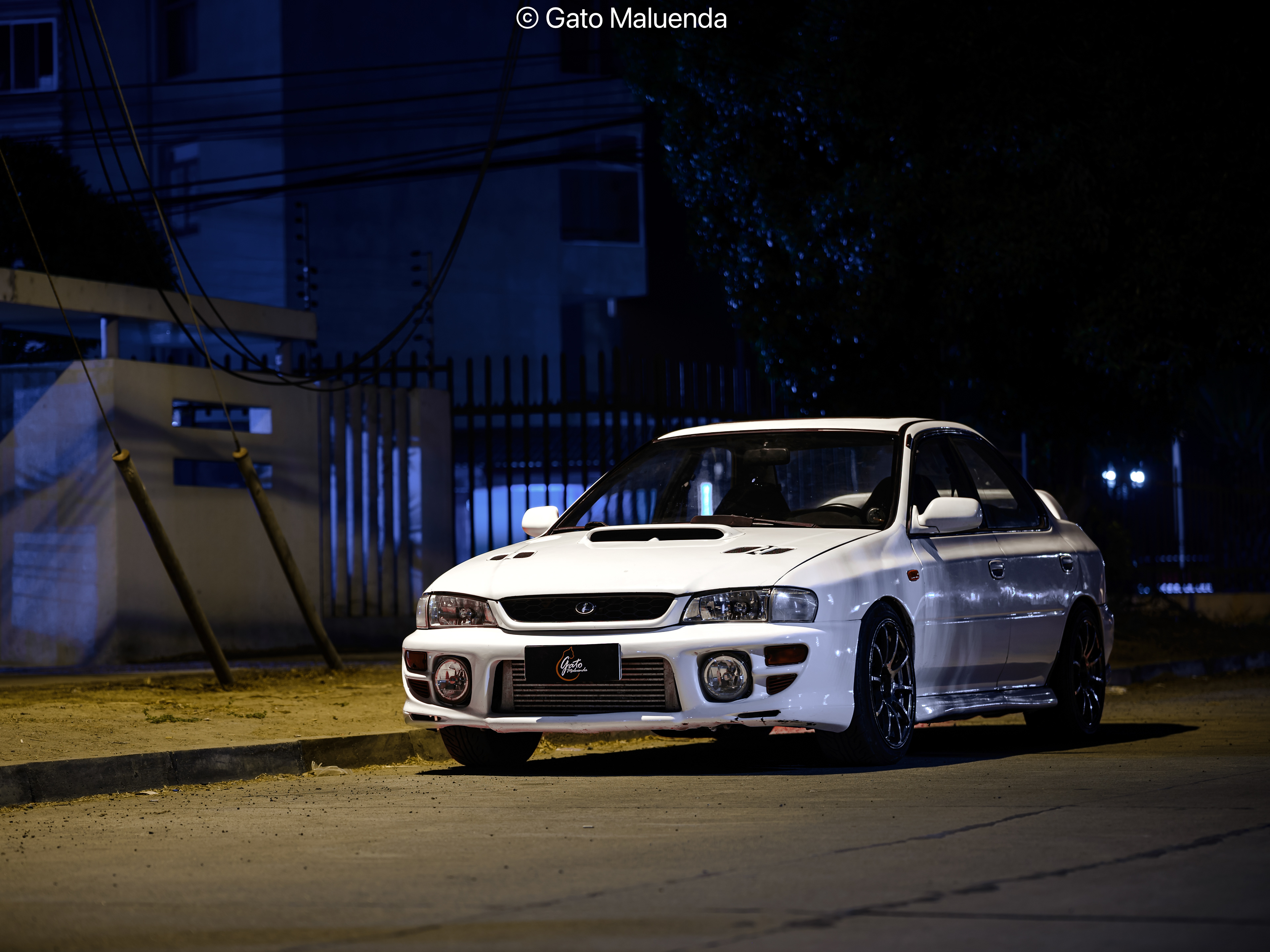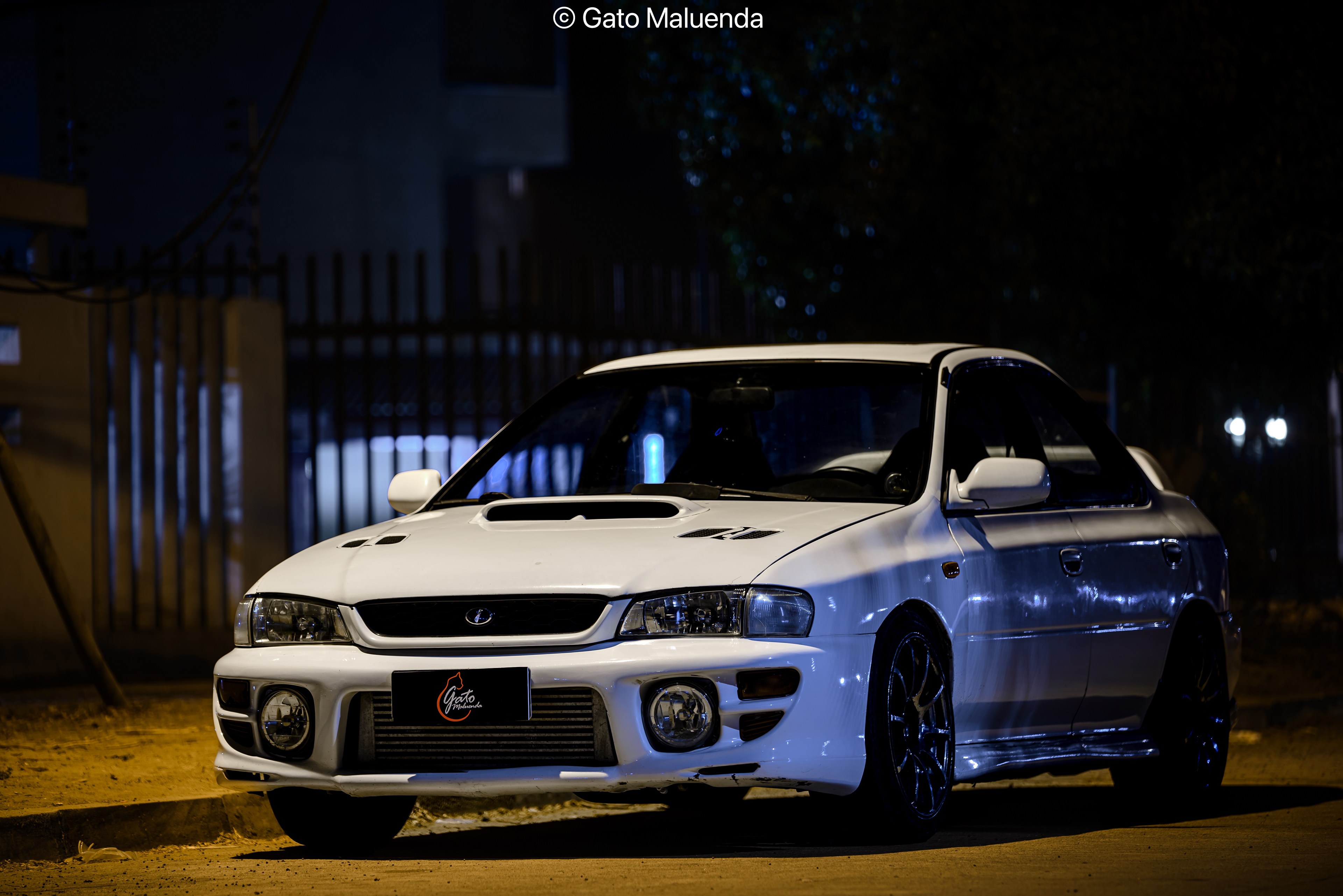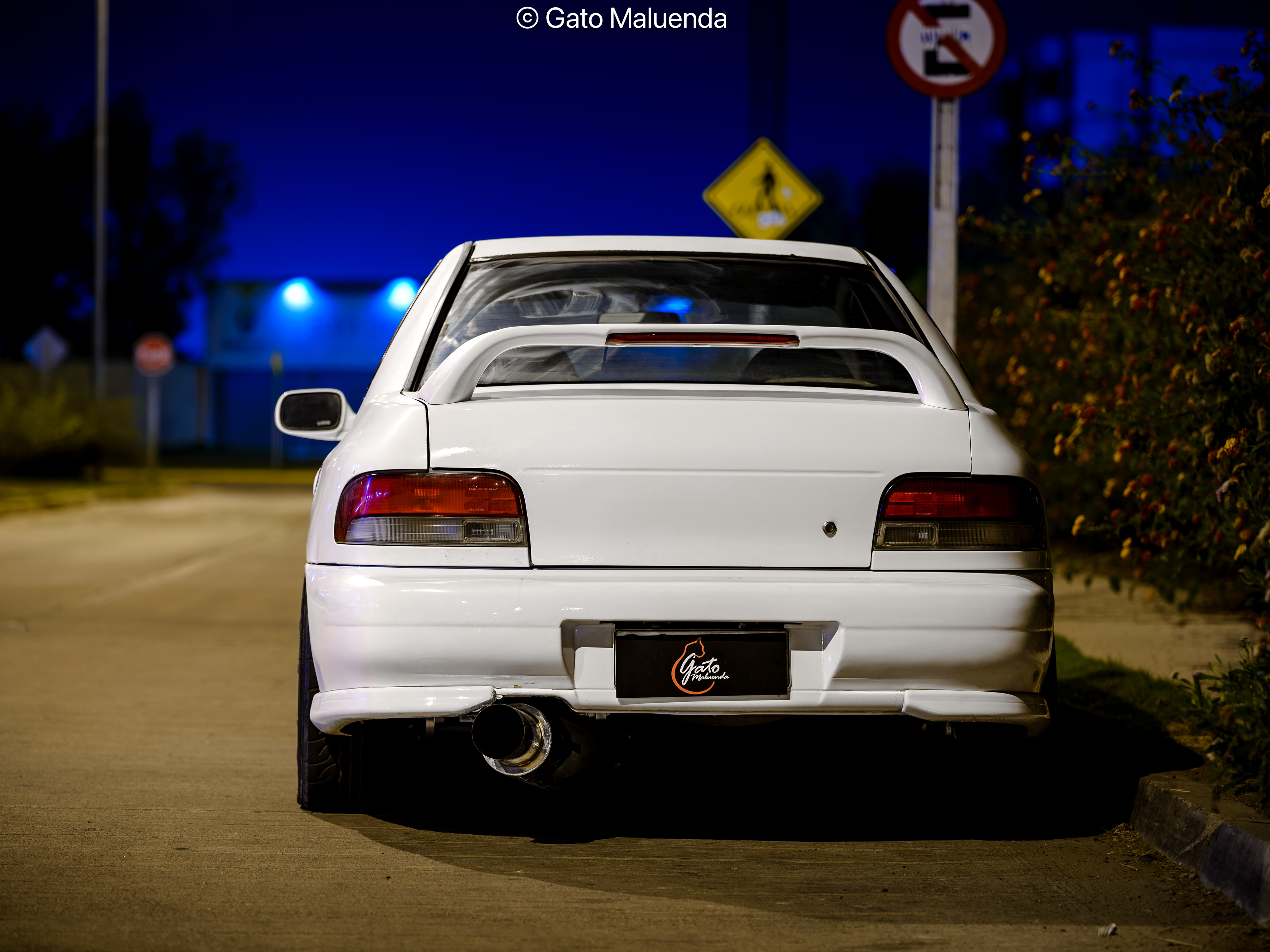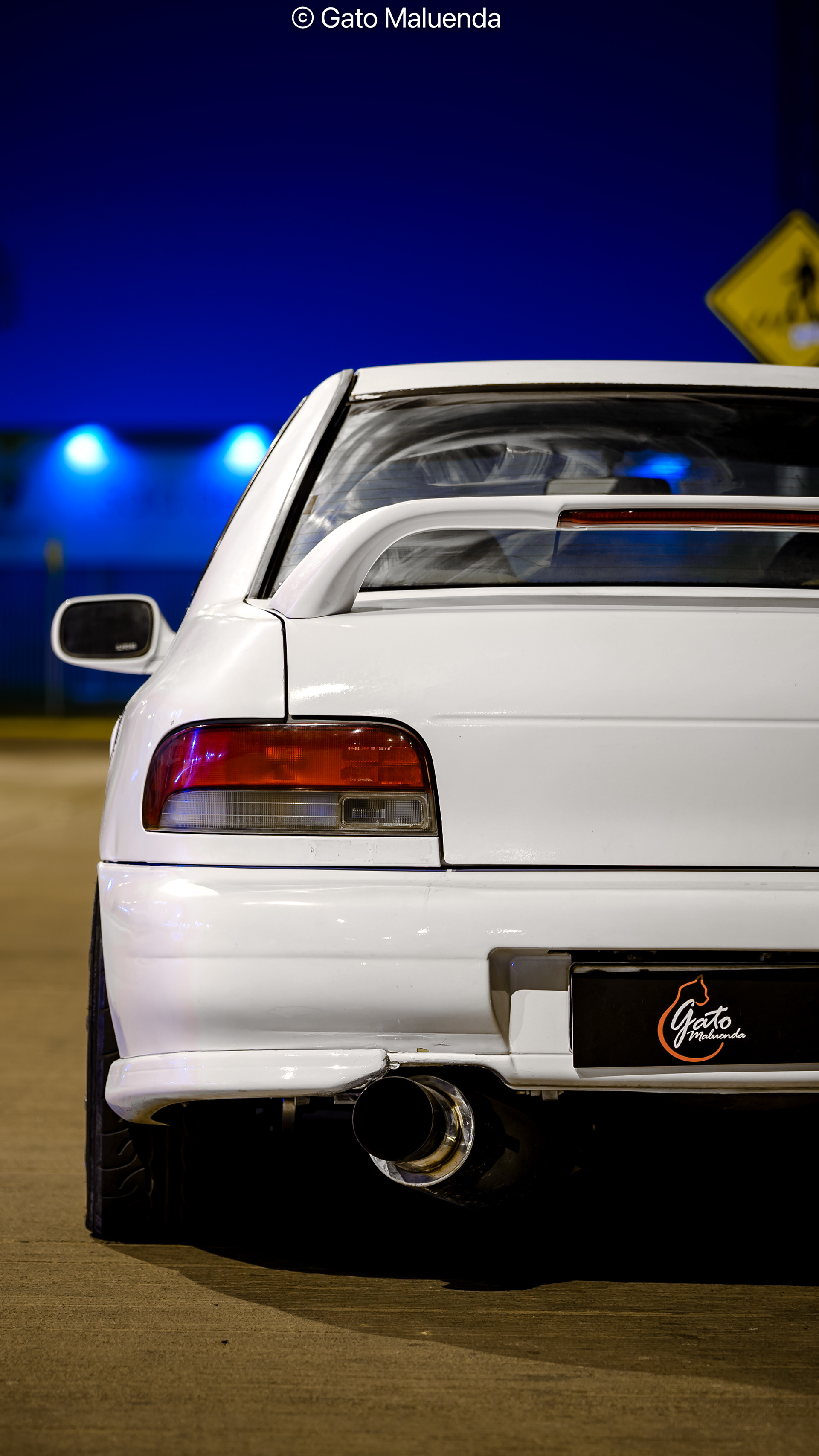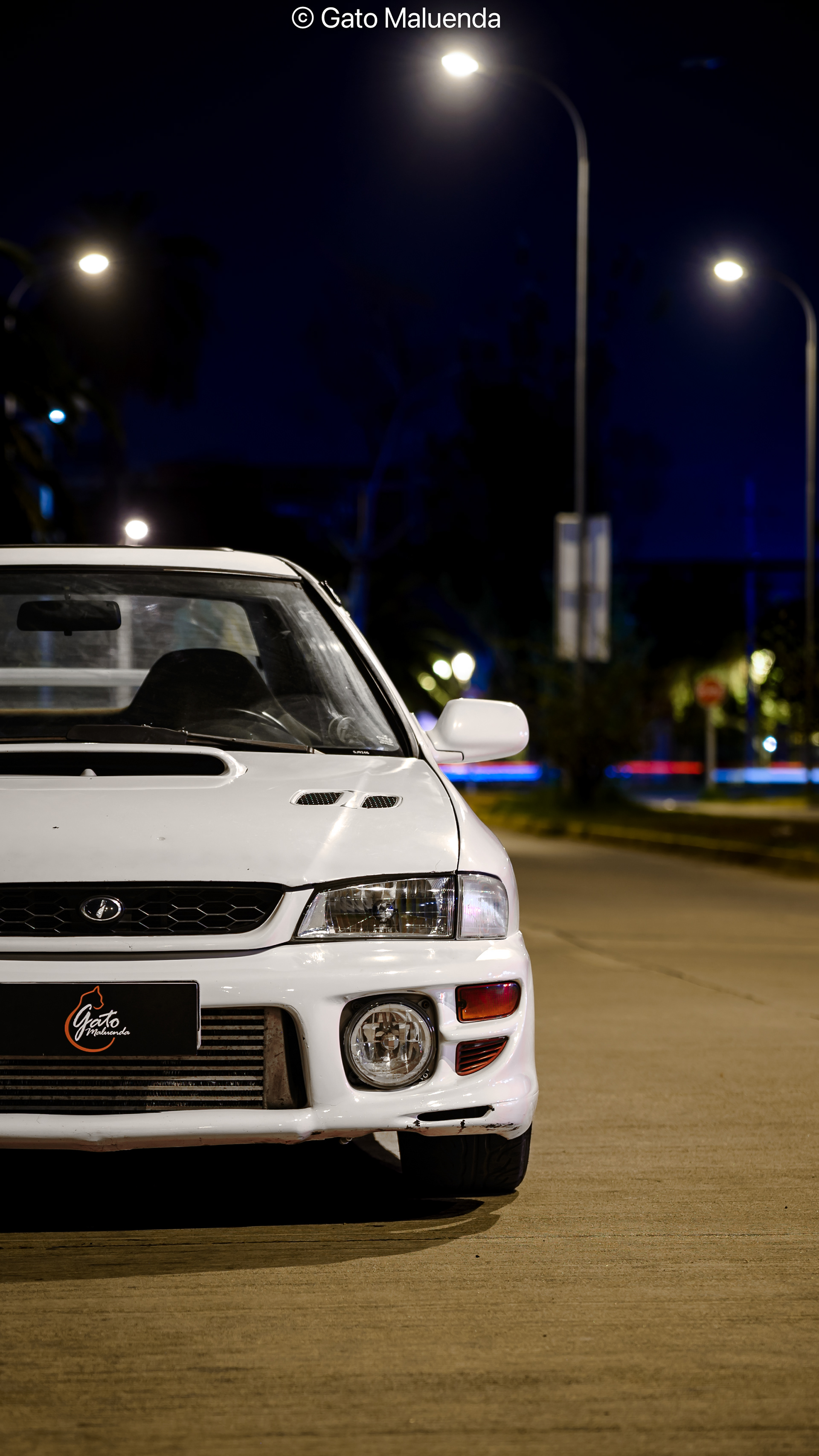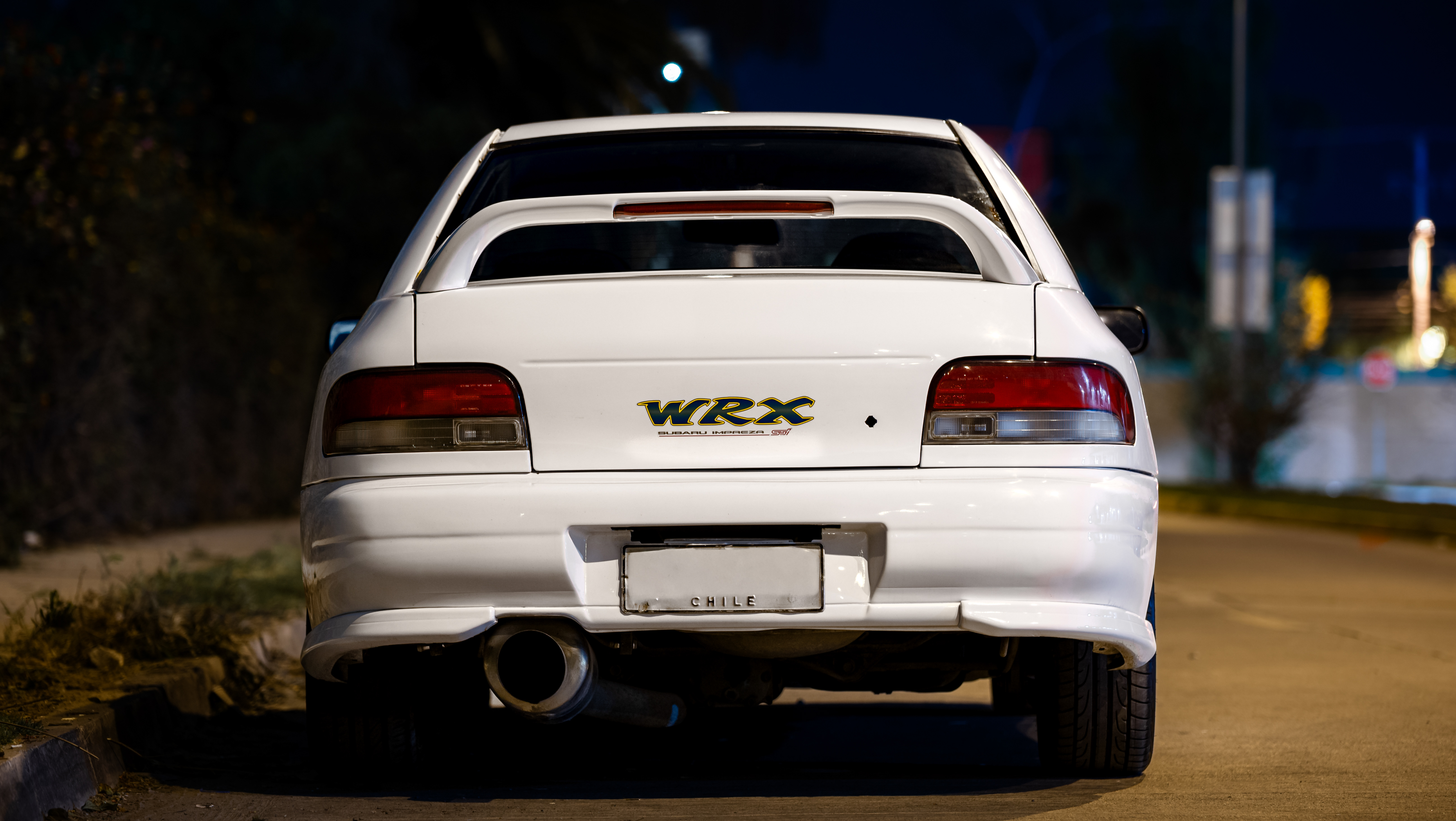
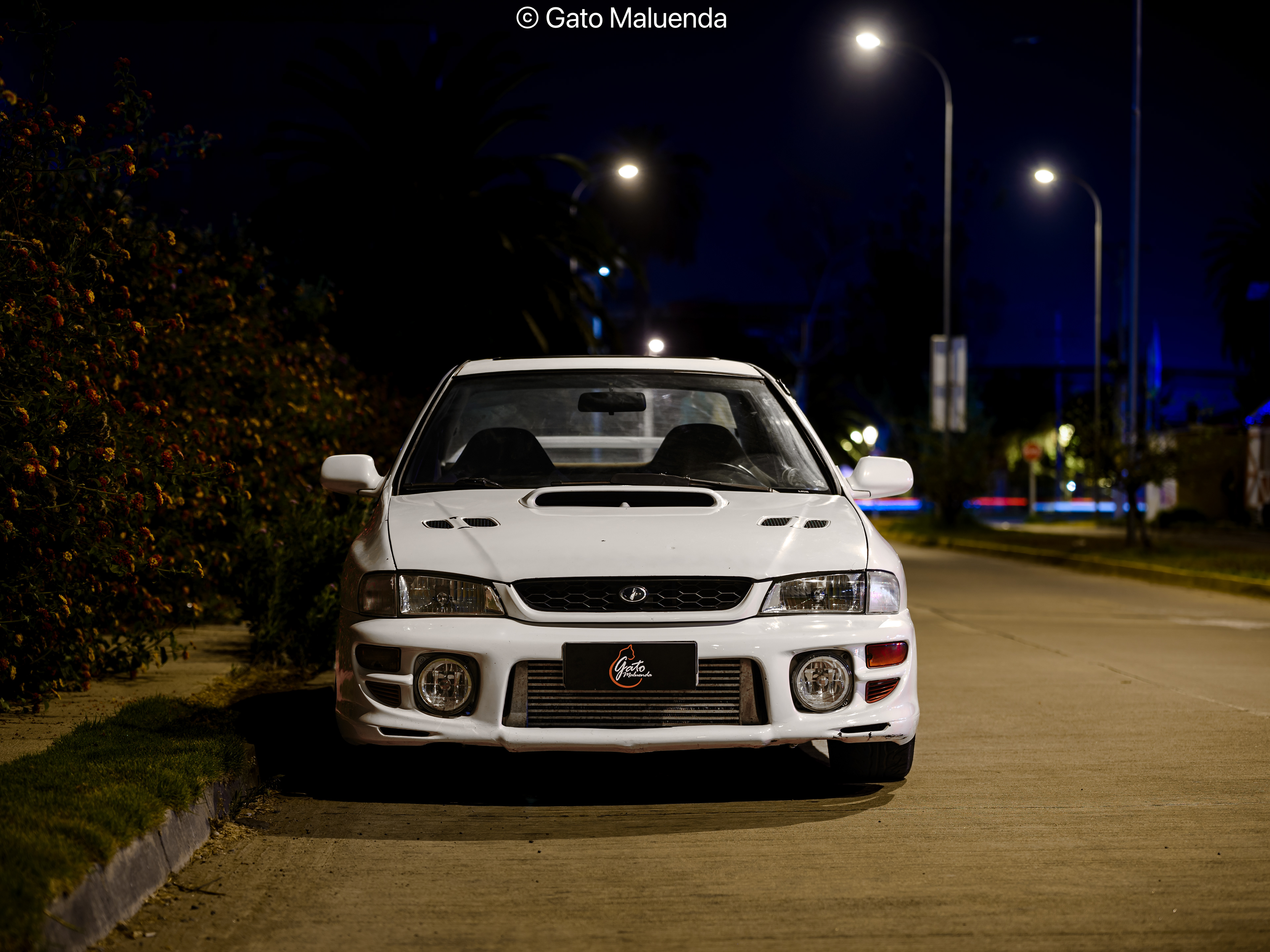
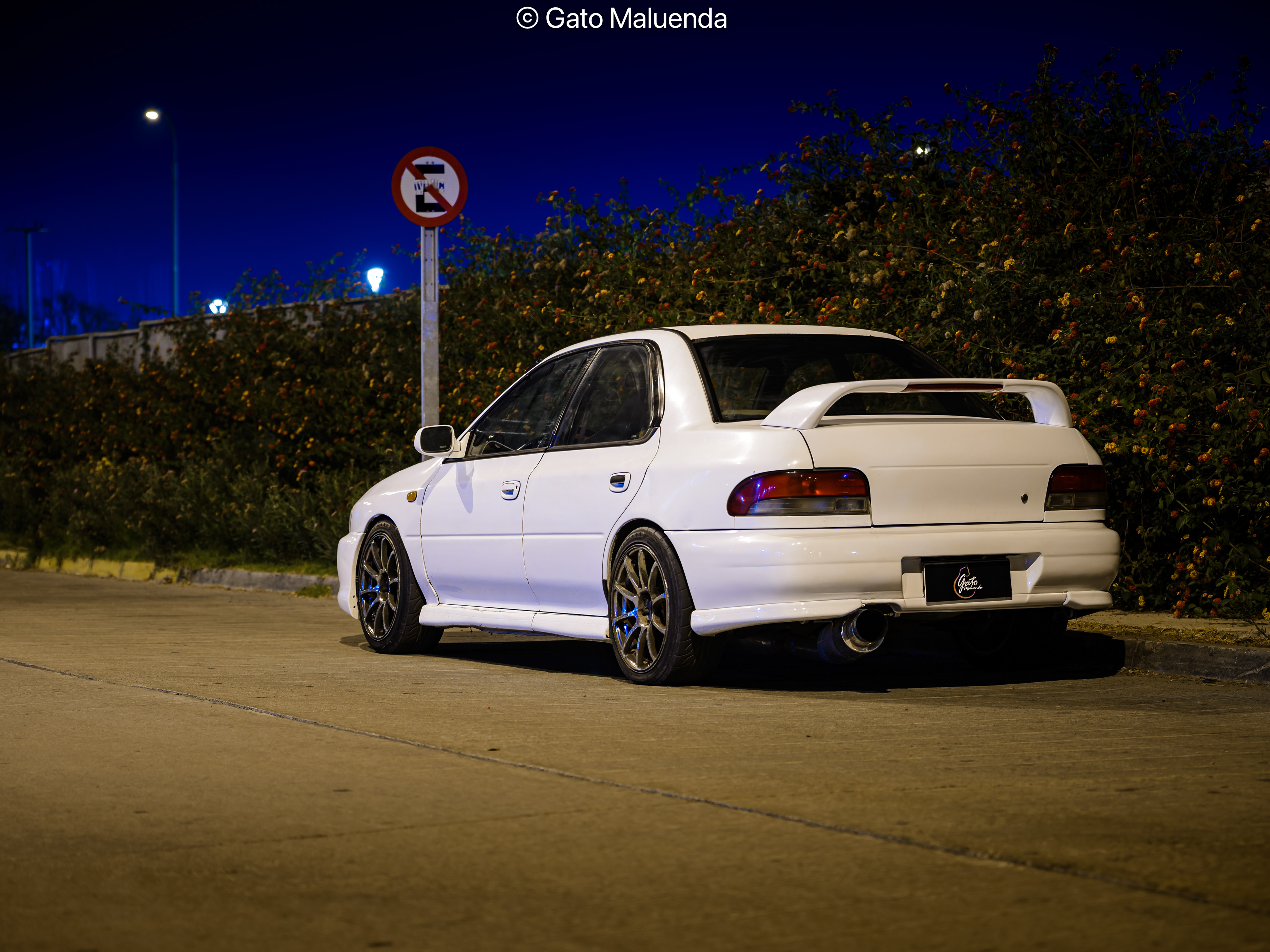
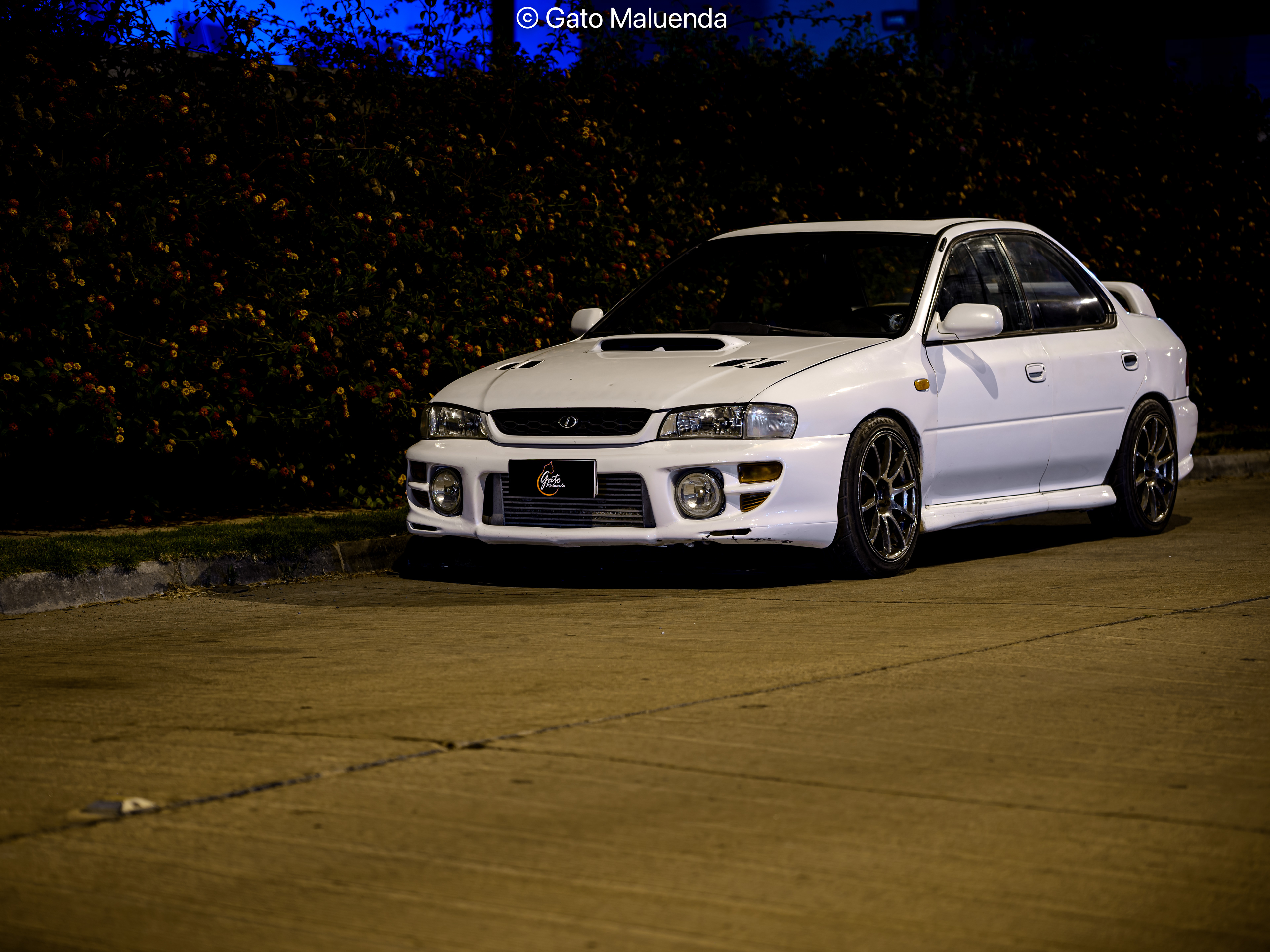
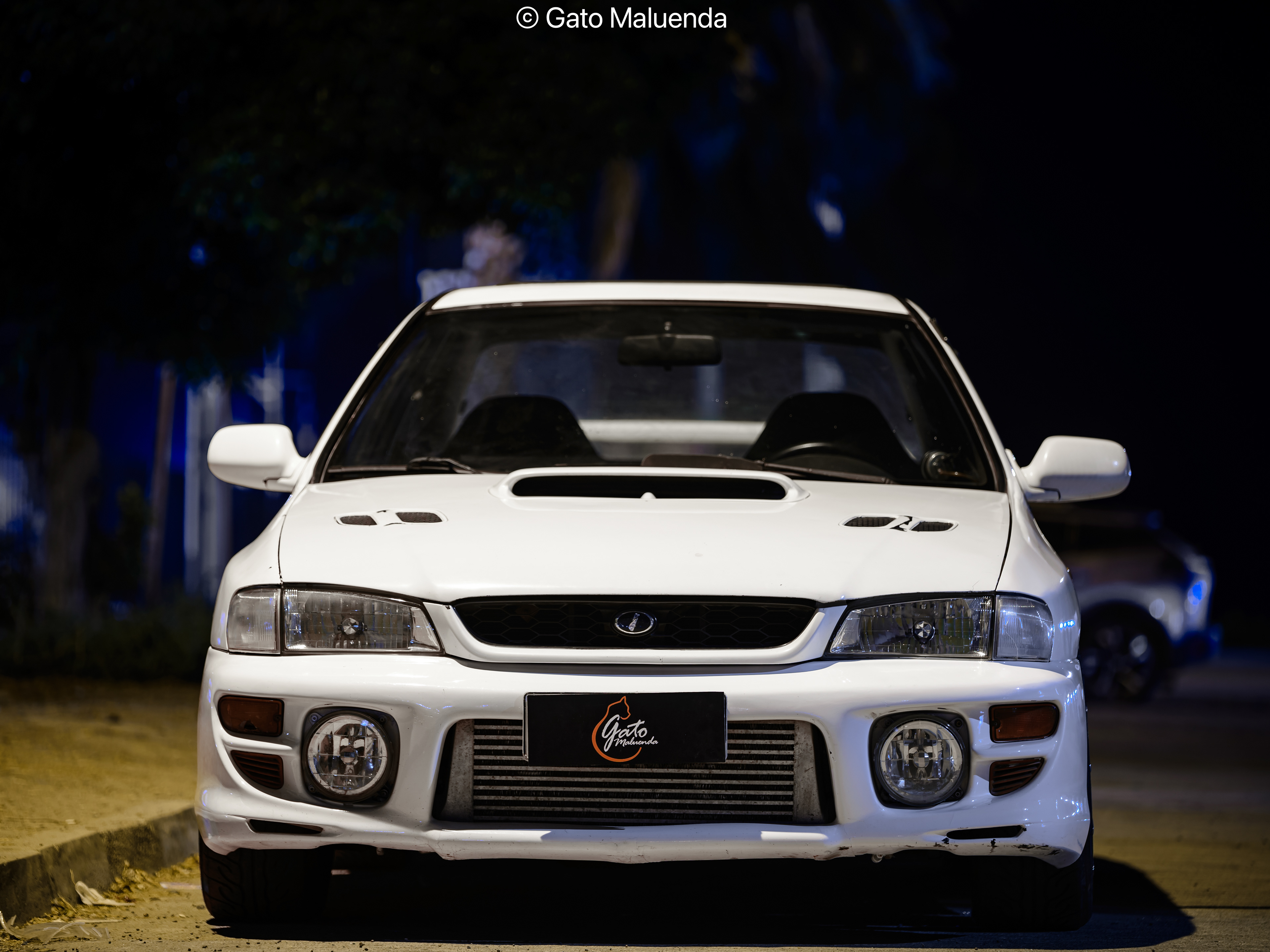
🇨🇱🇪🇸 Sí, este fue vendido oficialmente en Chile. El tan famoso “WRX Nacional”.
Hubo una época en que Subaru era sinónimo de rally. Y de victoria.
Hubo una época en que Subaru era sinónimo de rally. Y de victoria.
Durante los años noventa, mientras los Impreza azules con llantas doradas se convertían en una de las imágenes más reconocibles
e icónicas del World Rally Championship, una versión muy cercana a ese mundo comenzaba a aparecer también en las calles.
e icónicas del World Rally Championship, una versión muy cercana a ese mundo comenzaba a aparecer también en las calles.
No era un auto de competición. Tenía cuatro puertas, espacio para cinco ocupantes, un maletero amplio y, en algunas versiones,
incluso aire acondicionado. Pero sí llevaba consigo parte importante de esa misma filosofía: motor turbo, tracción integral,
caja manual y una conexión directa con el conductor.
incluso aire acondicionado. Pero sí llevaba consigo parte importante de esa misma filosofía: motor turbo, tracción integral,
caja manual y una conexión directa con el conductor.
Este es uno de ellos.
El Subaru Impreza GT Turbo, comercializado oficialmente en Chile durante la década de los noventa,
representaba una fórmula que hoy parece casi imposible de repetir. Un sedán compacto, relativamente liviano, práctico para el uso diario,
pero con una base mecánica profundamente ligada al mundo del rally.
Motor bóxer turboalimentado. Tracción integral permanente. Caja manual. Poco más de 1.200 kilogramos de peso.
representaba una fórmula que hoy parece casi imposible de repetir. Un sedán compacto, relativamente liviano, práctico para el uso diario,
pero con una base mecánica profundamente ligada al mundo del rally.
Motor bóxer turboalimentado. Tracción integral permanente. Caja manual. Poco más de 1.200 kilogramos de peso.
No había modos de conducción. No había asistentes electrónicos invasivos. No había pantallas gigantes ni configuraciones interminables.
Todo estaba orientado a una sola cosa: la experiencia de conducir. Y esa experiencia era precisamente lo que lo hacía especial.
Todo estaba orientado a una sola cosa: la experiencia de conducir. Y esa experiencia era precisamente lo que lo hacía especial.
El Impreza GT Turbo no intentaba aparentar lujo ni sofisticación. Su interior era sencillo, la insonorización era limitada y la calidad de algunos materiales estaba lejos de la de sus rivales europeos. Pero nada de eso importaba demasiado, porque este auto nunca trató de convencer
desde el confort o el refinamiento. Su lenguaje era otro.
Se entendía desde el volante, desde el sonido particular del motor bóxer, desde la llegada del turbo y desde la manera en que las cuatro ruedas transmitían la potencia al suelo. Era un auto que se sentía mecánico, honesto y vivo. Un automóvil que no necesitaba demasiados filtros entre el conductor y el camino.
desde el confort o el refinamiento. Su lenguaje era otro.
Se entendía desde el volante, desde el sonido particular del motor bóxer, desde la llegada del turbo y desde la manera en que las cuatro ruedas transmitían la potencia al suelo. Era un auto que se sentía mecánico, honesto y vivo. Un automóvil que no necesitaba demasiados filtros entre el conductor y el camino.
En Chile, además, el Impreza GT Turbo adquirió un significado propio.
Para muchos entusiastas, fue el “WRX Nacional”: una forma de acceder, desde el mercado local, a una parte tangible de la leyenda de Subaru. Con volante a la izquierda, garantía y respaldo oficial de la marca, no era simplemente un auto rápido ni un sedán deportivo más. Era una conexión directa con una época en la que el rally tenía una presencia enorme en la cultura automotriz, en las revistas, en los videojuegos, en la televisión y en la imaginación de quienes crecieron viendo autos cruzados sobre tierra, barro, nieve y asfalto.
Para toda una generación, el Impreza fue mucho más que un sedán deportivo.
Fue el auto de los afiches en la pared. El auto que comprabas en Gran Turismo. El que usabas en Colin McRae Rally. El auto que aparecía
en las revistas especializadas. El auto que muchos veían pasar por la calle con esa mezcla perfecta entre discreción y amenaza.
También fue el auto que podía llevar cómodamente a una familia durante la semana y, al mismo tiempo, transformarse en protagonista de una
jornada de ruta, montaña o track day durante el fin de semana.
en las revistas especializadas. El auto que muchos veían pasar por la calle con esa mezcla perfecta entre discreción y amenaza.
También fue el auto que podía llevar cómodamente a una familia durante la semana y, al mismo tiempo, transformarse en protagonista de una
jornada de ruta, montaña o track day durante el fin de semana.
Esa dualidad fue parte central de su encanto.
Porque el Impreza GT Turbo no era un deportivo de dos plazas ni una máquina inaccesible reservada para unos pocos. Era un sedán compacto con cuatro puertas, maletero, espacio utilizable y una mecánica que parecía haber escapado directamente de los caminos de rally.
Tenía algo que hoy se extraña mucho: propósito.
Cada elemento parecía estar ahí por una razón. La tracción integral no era un accesorio de marketing. El turbo no era solo una cifra en una ficha técnica. La caja manual no era nostalgia. El bajo peso no era casualidad. Todo trabajaba en conjunto para construir una experiencia simple, efectiva y profundamente entretenida.
No era perfecto. Y quizás justamente por eso era tan memorable.
Porque los autos perfectos muchas veces se sienten lejanos. El Impreza, en cambio, se sentía cercano. Tenía carácter. Tenía defectos.
Tenía ruido. Tenía vibración. Tenía esa sensación de máquina hecha para ser usada, no simplemente admirada.
Décadas después, su importancia no se mide solamente en potencia, cifras de aceleración o valor de mercado. Se mide en lo que representa.
Representa una época en la que Subaru construyó una identidad alrededor del rally y logró llevar parte de esa identidad a la calle.
Representa una generación de autos donde la experiencia de conducción estaba por encima de la tecnología.
Representa una manera de entender el automóvil que hoy parece cada vez más escasa: liviana, mecánica, directa y emocional.
Tenía ruido. Tenía vibración. Tenía esa sensación de máquina hecha para ser usada, no simplemente admirada.
Décadas después, su importancia no se mide solamente en potencia, cifras de aceleración o valor de mercado. Se mide en lo que representa.
Representa una época en la que Subaru construyó una identidad alrededor del rally y logró llevar parte de esa identidad a la calle.
Representa una generación de autos donde la experiencia de conducción estaba por encima de la tecnología.
Representa una manera de entender el automóvil que hoy parece cada vez más escasa: liviana, mecánica, directa y emocional.
El Subaru Impreza GT Turbo ayudó a construir la leyenda moderna de Subaru.
Y en Chile, el “WRX Nacional” quedó grabado como una de esas máquinas que no necesitaban demasiada explicación.
Quienes sabían, sabían.
Una máquina simple, mecánica y honesta.
Un recordatorio de una época en la que la conexión entre conductor y automóvil importaba más que cualquier cifra de potencia,
pantalla o modo de manejo
Y en Chile, el “WRX Nacional” quedó grabado como una de esas máquinas que no necesitaban demasiada explicación.
Quienes sabían, sabían.
Una máquina simple, mecánica y honesta.
Un recordatorio de una época en la que la conexión entre conductor y automóvil importaba más que cualquier cifra de potencia,
pantalla o modo de manejo
🇬🇧🇺🇸 Yes, this one was officially sold in Chile. The famous “Chilean WRX.”
There was a time when Subaru was synonymous with rallying. And with victory.
There was a time when Subaru was synonymous with rallying. And with victory.
During the 1990s, while blue Imprezas with gold wheels were becoming one of the most recognizable and iconic images of the
World Rally Championship, a version closely connected to that world also began to appear on public roads.
World Rally Championship, a version closely connected to that world also began to appear on public roads.
It was not a competition car. It had four doors, space for five occupants, a spacious trunk and, in some versions, even air conditioning.
But it still carried an important part of that same philosophy: a turbocharged engine, all-wheel drive, a manual gearbox and a
direct connection with the driver.
But it still carried an important part of that same philosophy: a turbocharged engine, all-wheel drive, a manual gearbox and a
direct connection with the driver.
This is one of them.
Officially sold in Chile during the 1990s, the Subaru Impreza GT Turbo represented a formula that seems almost impossible to repeat today.
A compact sedan, relatively lightweight, practical for everyday use, but with a mechanical foundation deeply connected to the world of rallying.
A turbocharged boxer engine. Permanent all-wheel drive. A manual gearbox. Just over 1,200 kilograms of weight.
A compact sedan, relatively lightweight, practical for everyday use, but with a mechanical foundation deeply connected to the world of rallying.
A turbocharged boxer engine. Permanent all-wheel drive. A manual gearbox. Just over 1,200 kilograms of weight.
There were no driving modes. No intrusive electronic aids. No giant screens or endless configuration menus. Everything was focused on one single thing: the driving experience. And that experience was precisely what made it special.
The Impreza GT Turbo was not trying to appear luxurious or sophisticated. Its interior was simple, sound insulation was limited, and the quality of some materials was far from that of its European rivals. But none of that mattered too much, because this car never tried to win people over through comfort or refinement.
Its language was different.
It was understood through the steering wheel, through the distinctive sound of the boxer engine, through the arrival of boost and through the way all four wheels transmitted power to the ground. It was a car that felt mechanical, honest and alive. A car that did not need too many filters between the driver and the road.
Its language was different.
It was understood through the steering wheel, through the distinctive sound of the boxer engine, through the arrival of boost and through the way all four wheels transmitted power to the ground. It was a car that felt mechanical, honest and alive. A car that did not need too many filters between the driver and the road.
In Chile, the Impreza GT Turbo also gained a meaning of its own.
For many enthusiasts, it was the “Chilean WRX”: a way to access, through the local market, a tangible part of Subaru’s legend.
With left-hand drive, warranty and official support from the brand, it was not simply a fast car or just another sports sedan.
It was a direct connection to an era when rallying had a huge presence in automotive culture, in magazines, in video games, on television and in the imagination of those who grew up watching cars sliding across gravel, mud, snow and tarmac.
For many enthusiasts, it was the “Chilean WRX”: a way to access, through the local market, a tangible part of Subaru’s legend.
With left-hand drive, warranty and official support from the brand, it was not simply a fast car or just another sports sedan.
It was a direct connection to an era when rallying had a huge presence in automotive culture, in magazines, in video games, on television and in the imagination of those who grew up watching cars sliding across gravel, mud, snow and tarmac.
For an entire generation, the Impreza was much more than a sports sedan.
It was the car on bedroom posters. The car you bought in Gran Turismo. The one you used in Colin McRae Rally. The car that appeared in specialist automotive magazines. The car many people saw driving down the street with that perfect mix of discretion and menace. It was also a car that could comfortably carry a family during the week and, at the same time, become the star of a road trip, a mountain drive or a track day on the weekend.
That duality was a central part of its charm.
Because the Impreza GT Turbo was not a two-seat sports car or an inaccessible machine reserved for a select few. It was a compact sedan with four doors, a trunk, usable space and a mechanical package that seemed to have escaped directly from the rally stages.
It had something that is deeply missed today: purpose.
Every element seemed to be there for a reason. The all-wheel drive system was not a marketing accessory.
The turbo was not just a number on a specification sheet. The manual gearbox was not nostalgia. The low weight was not an accident.
Everything worked together to build a simple, effective and deeply entertaining driving experience.
The turbo was not just a number on a specification sheet. The manual gearbox was not nostalgia. The low weight was not an accident.
Everything worked together to build a simple, effective and deeply entertaining driving experience.
It was not perfect. And perhaps that is exactly why it was so memorable.
Because perfect cars often feel distant. The Impreza, on the other hand, felt close. It had character. It had flaws. It had noise. It had vibration. It had that feeling of a machine built to be used, not simply admired.
Decades later, its importance is not measured only in horsepower, acceleration figures or market value. It is measured by what it represents.
It represents an era in which Subaru built an identity around rallying and managed to bring part of that identity to the road.
It represents a generation of cars where the driving experience mattered more than technology.
It represents a way of understanding the automobile that feels increasingly rare today: lightweight, mechanical, direct and emotional.
It represents a generation of cars where the driving experience mattered more than technology.
It represents a way of understanding the automobile that feels increasingly rare today: lightweight, mechanical, direct and emotional.
The Subaru Impreza GT Turbo helped build Subaru’s modern legend.
And in Chile, the “Chilean WRX” became one of those machines that did not need much explanation. Those who knew, knew.
A simple, mechanical and honest machine.
A reminder of an era when the connection between driver and automobile mattered more than any horsepower figure, screen or driving mode.
And in Chile, the “Chilean WRX” became one of those machines that did not need much explanation. Those who knew, knew.
A simple, mechanical and honest machine.
A reminder of an era when the connection between driver and automobile mattered more than any horsepower figure, screen or driving mode.