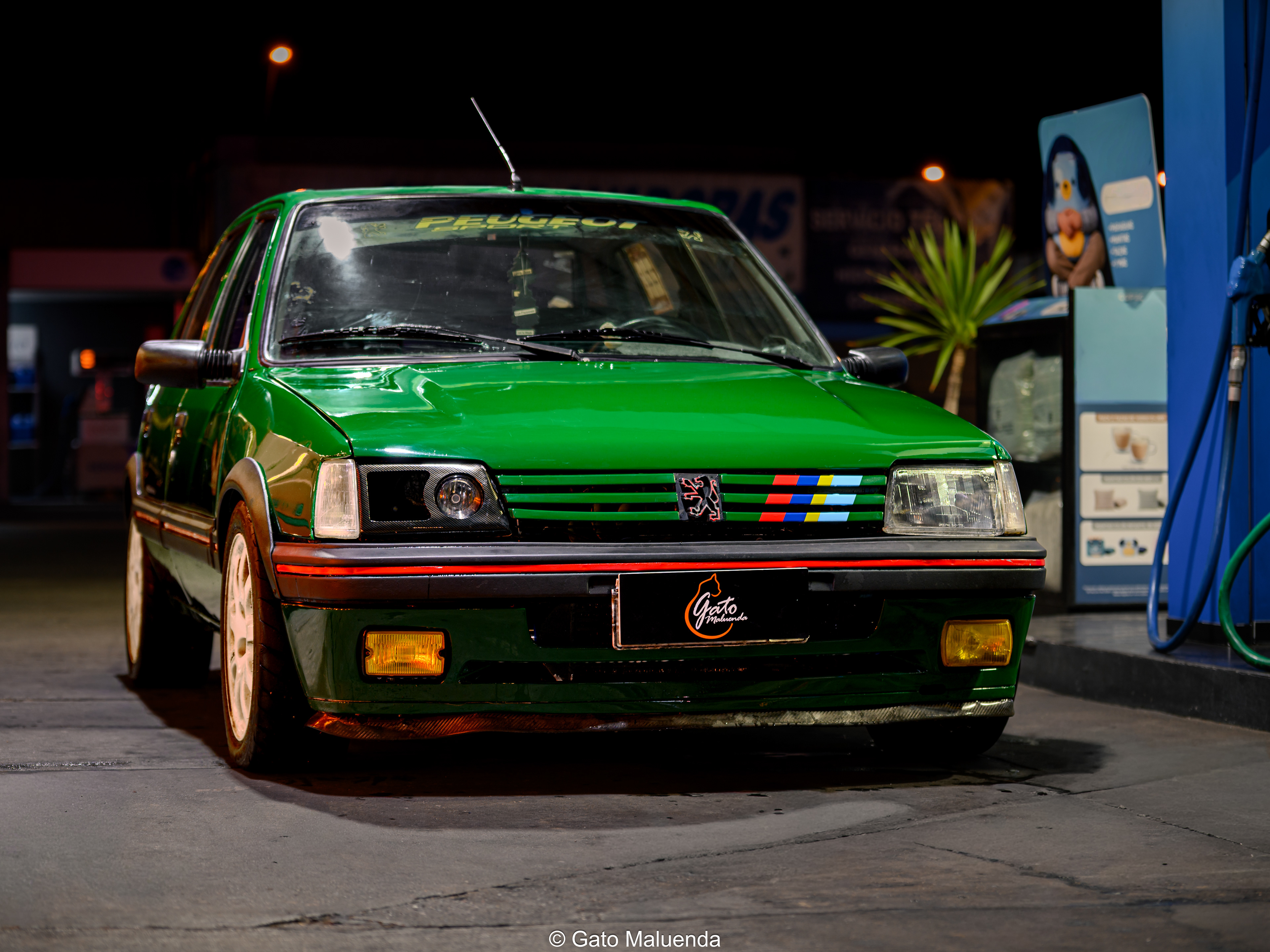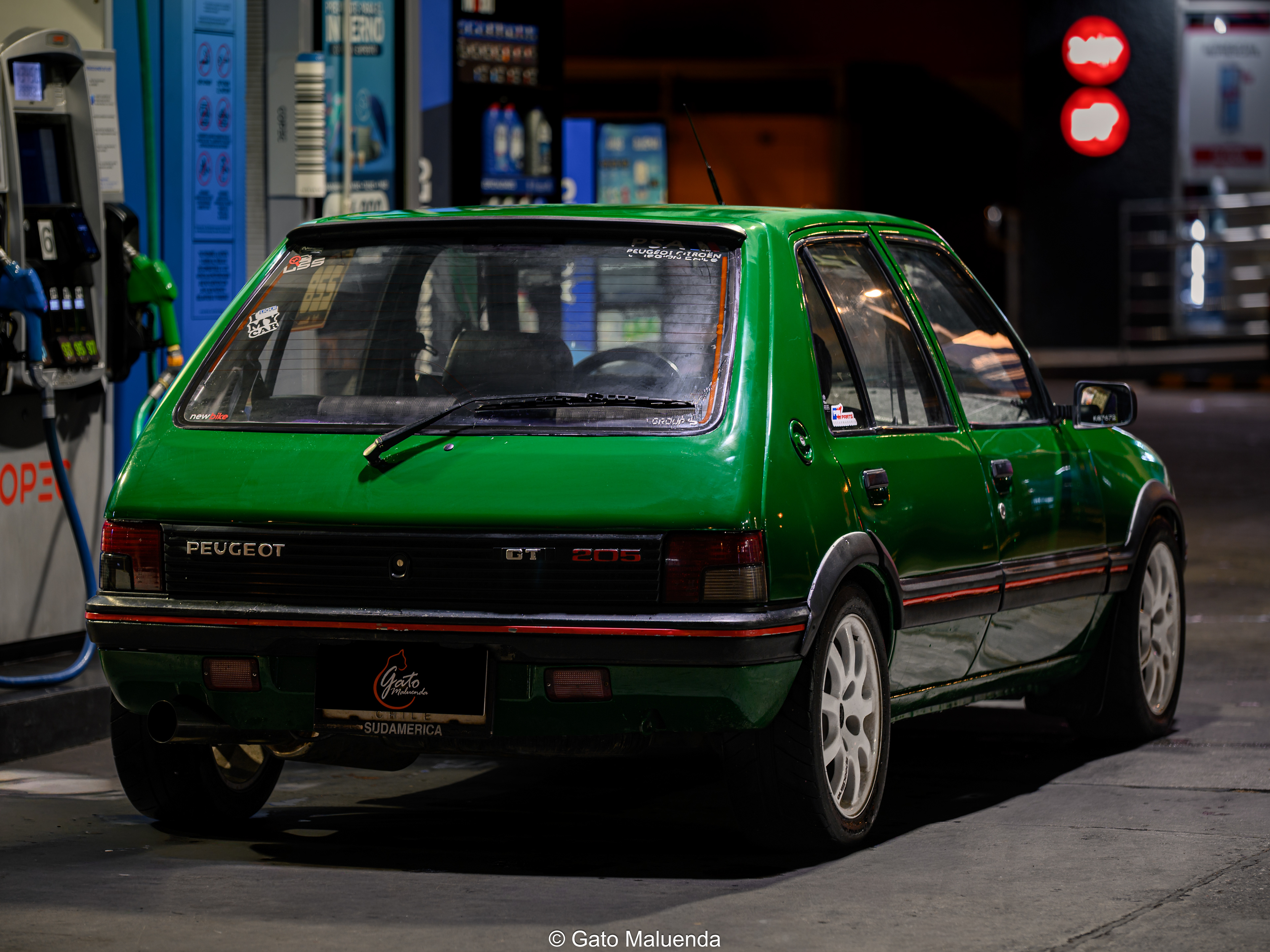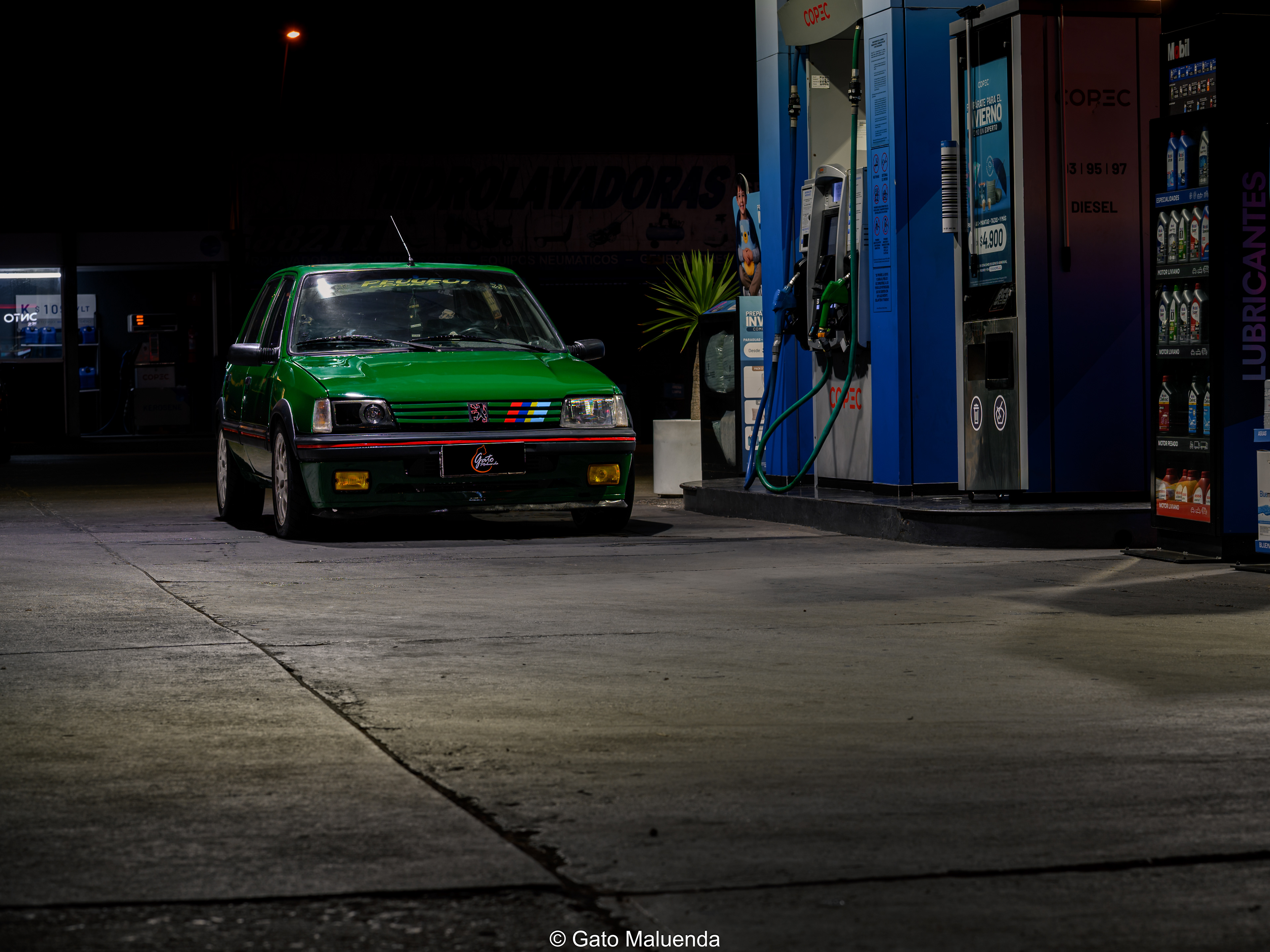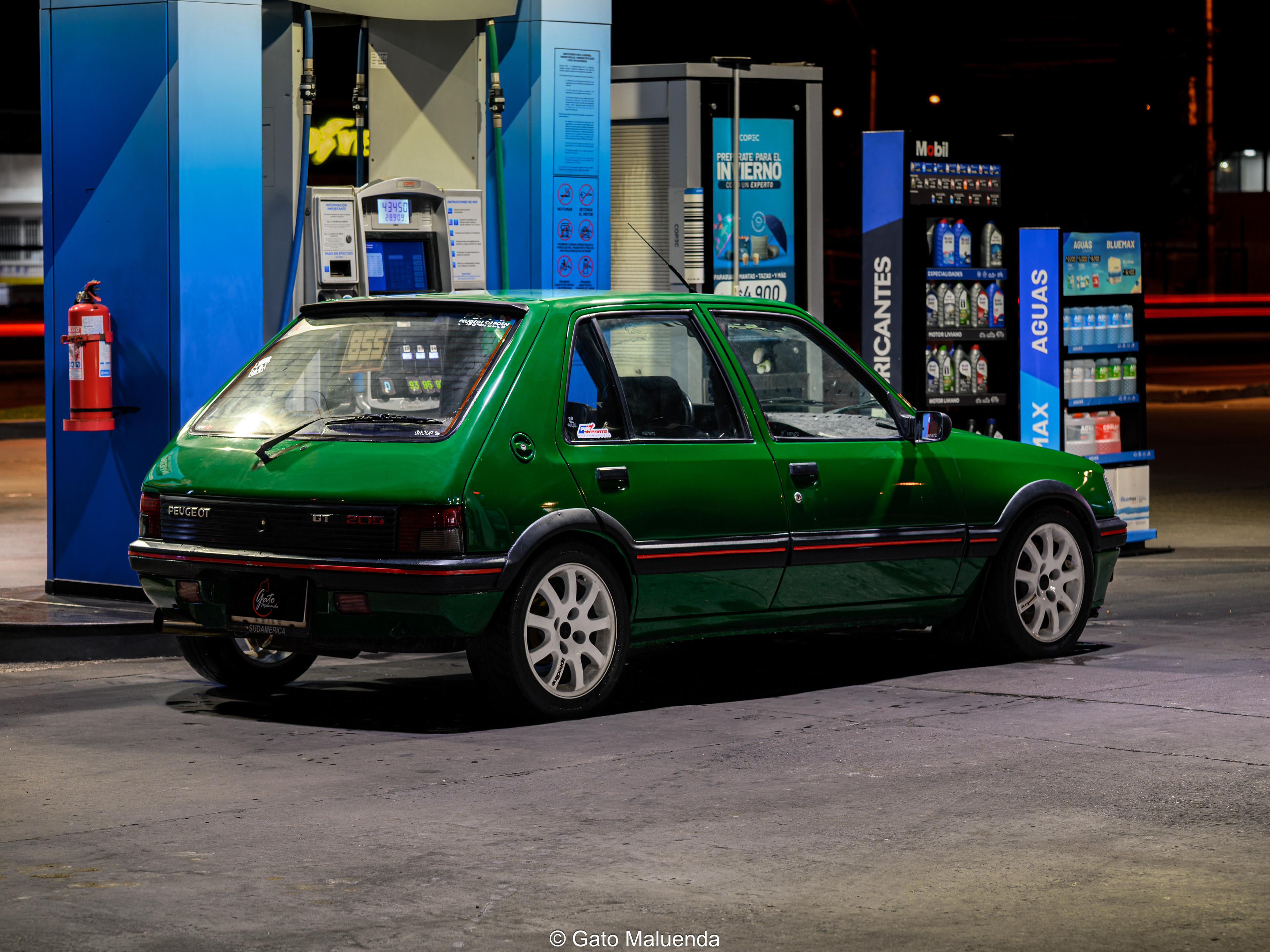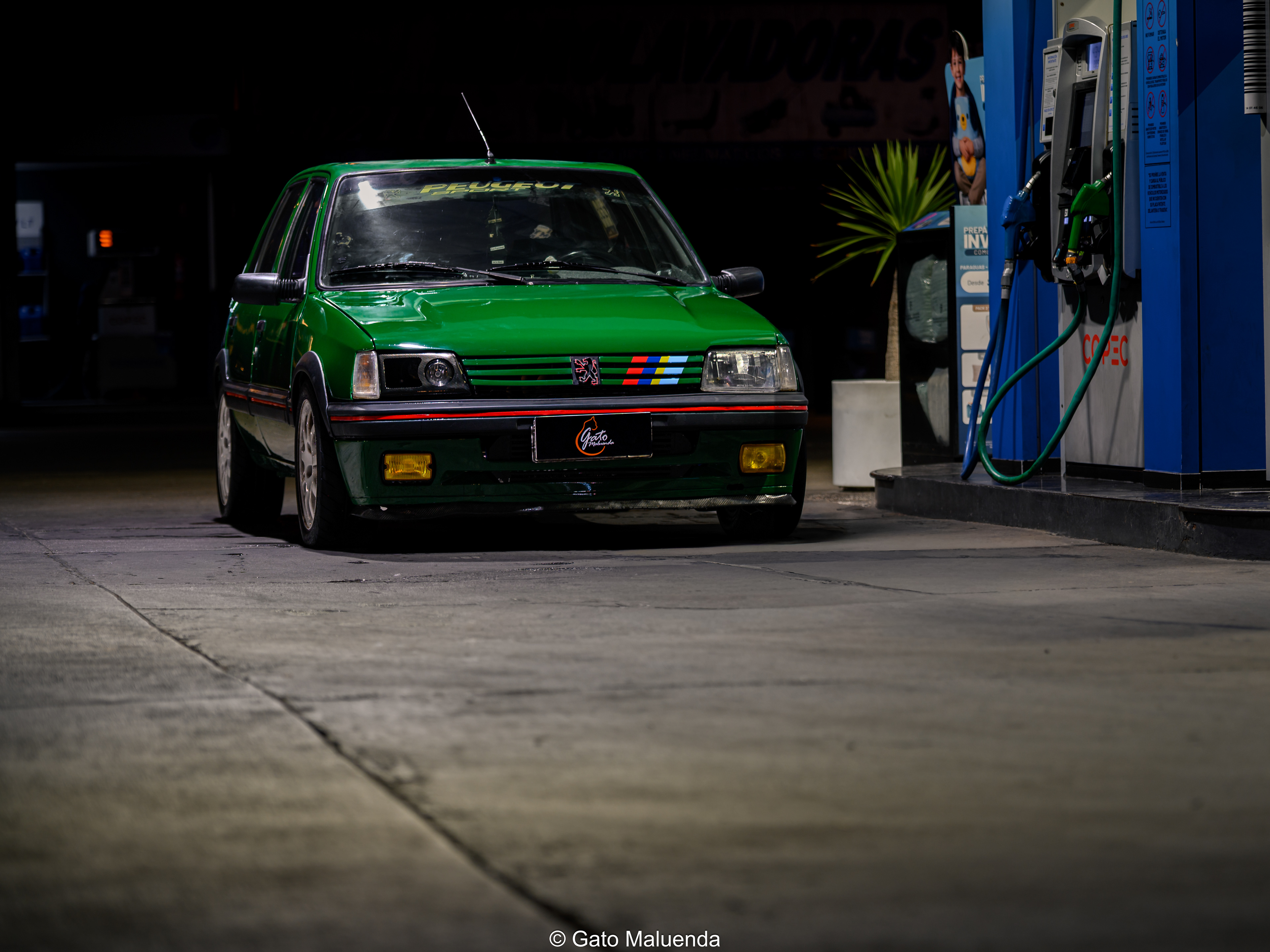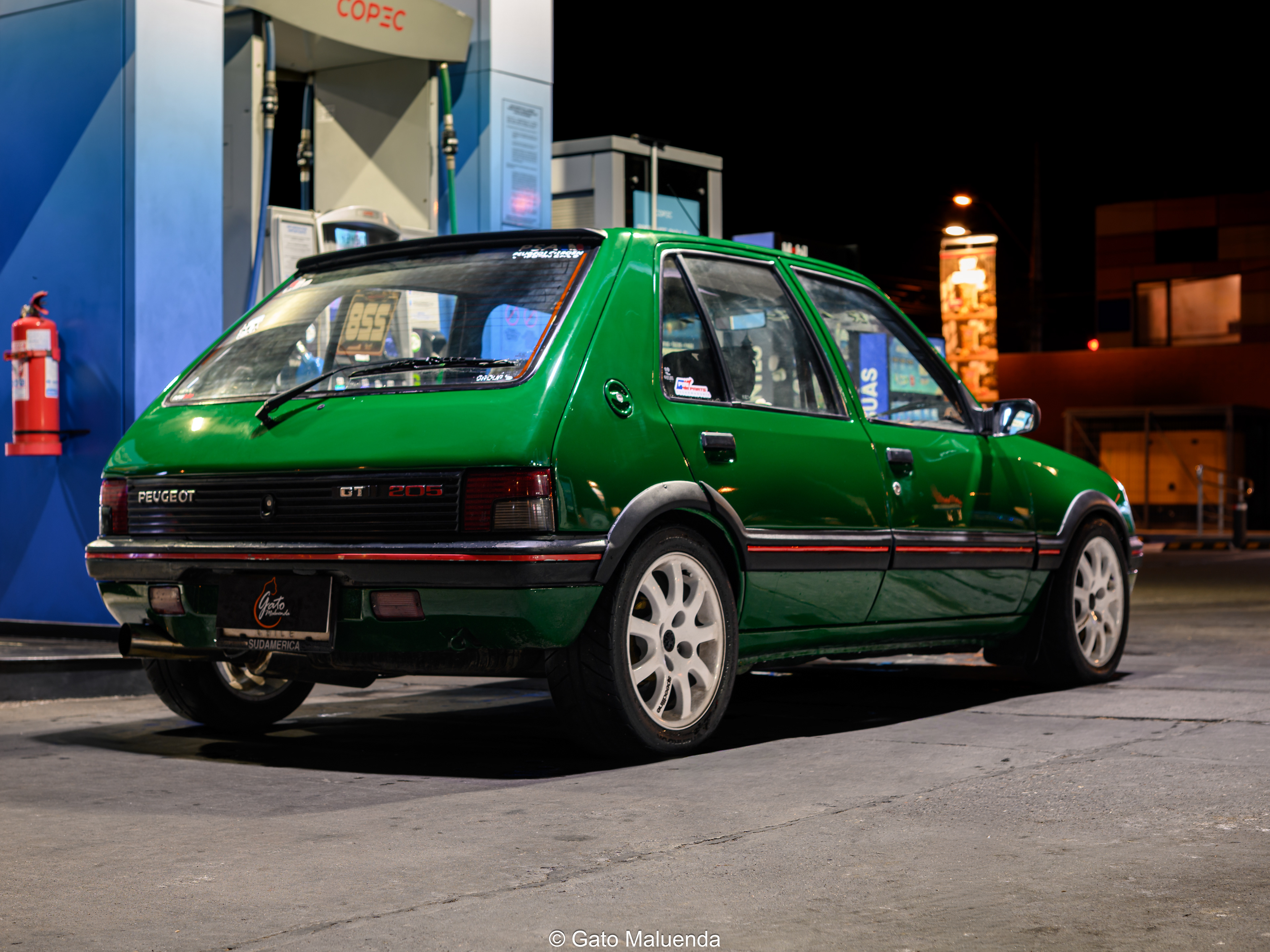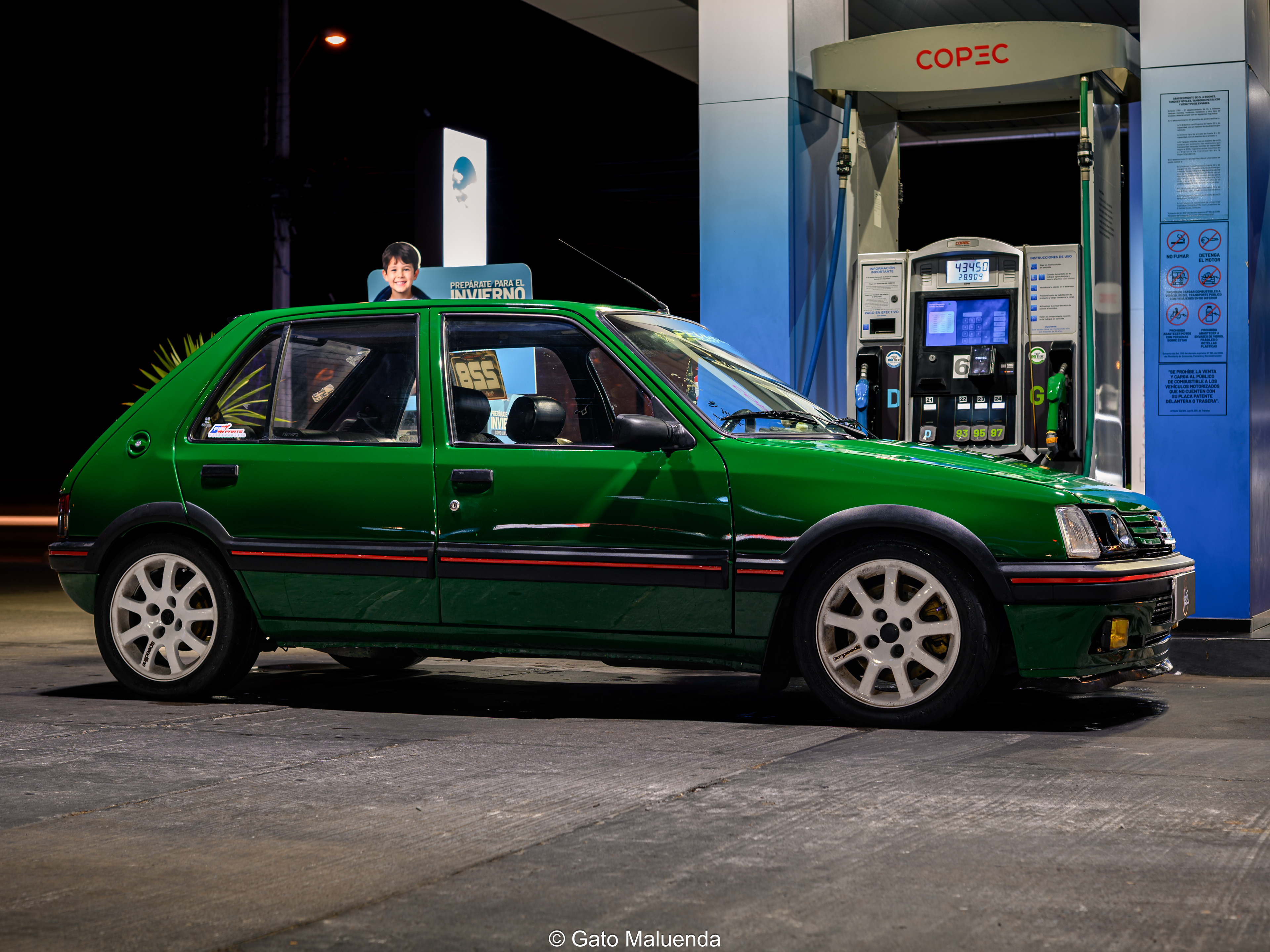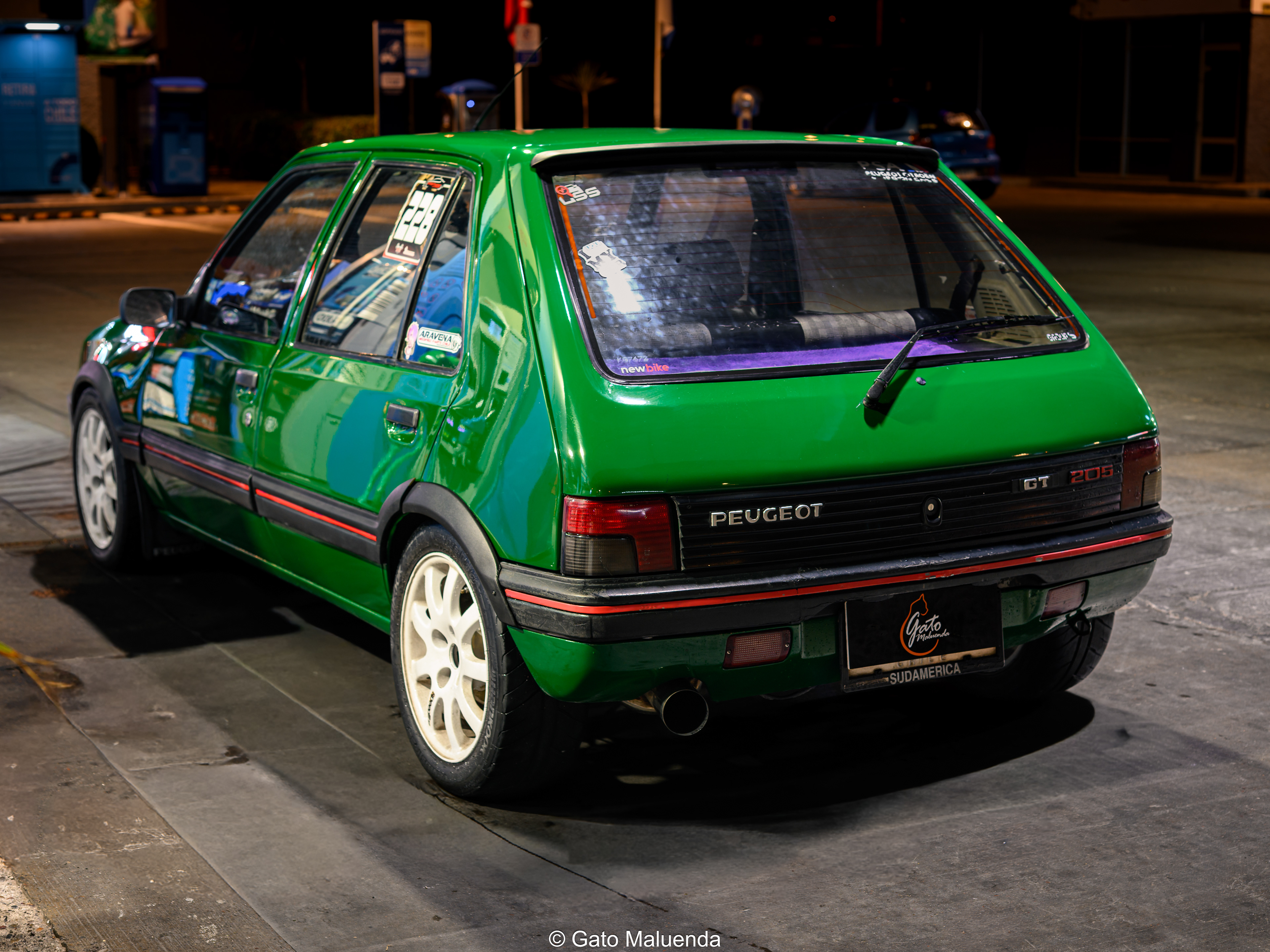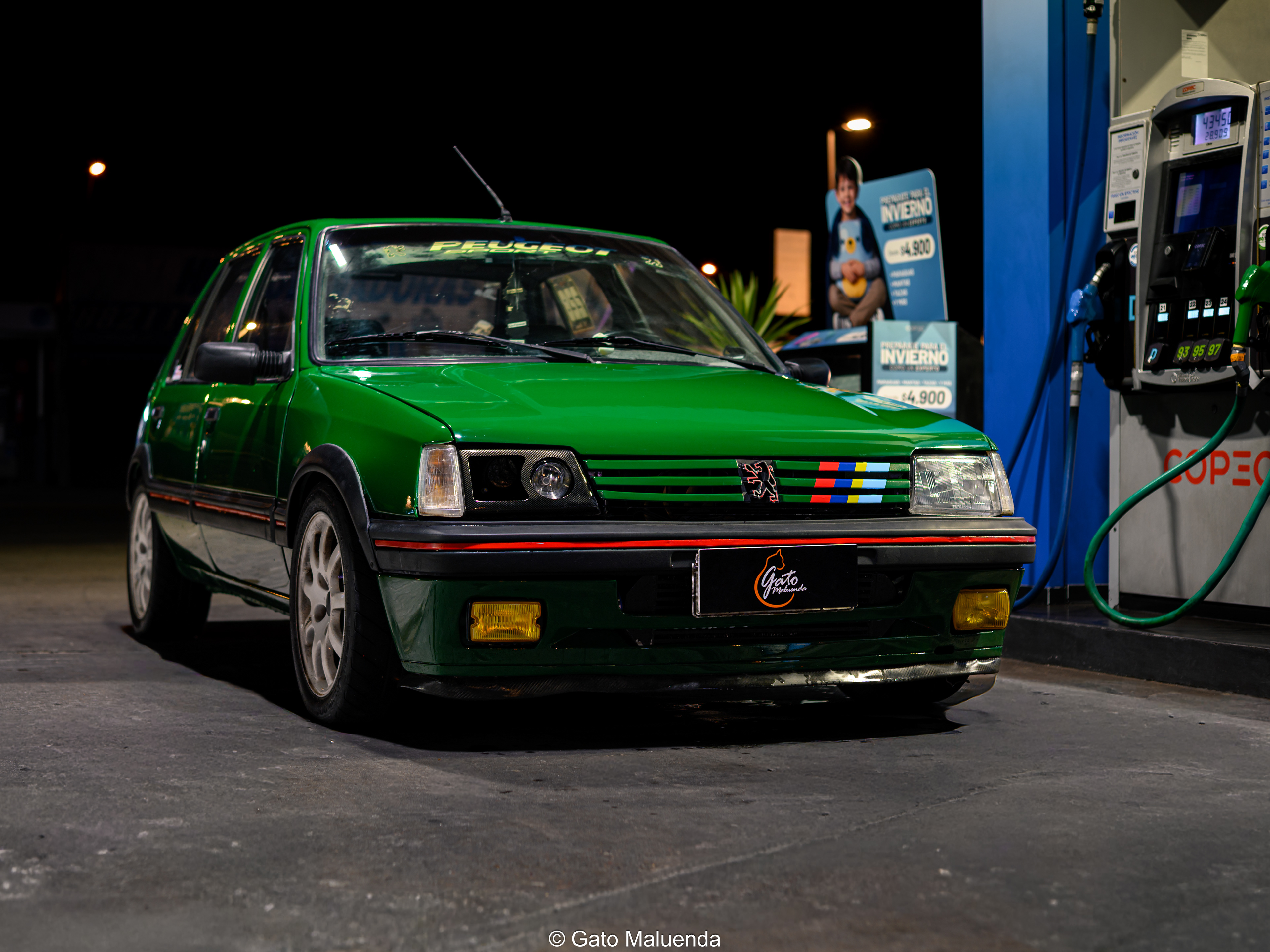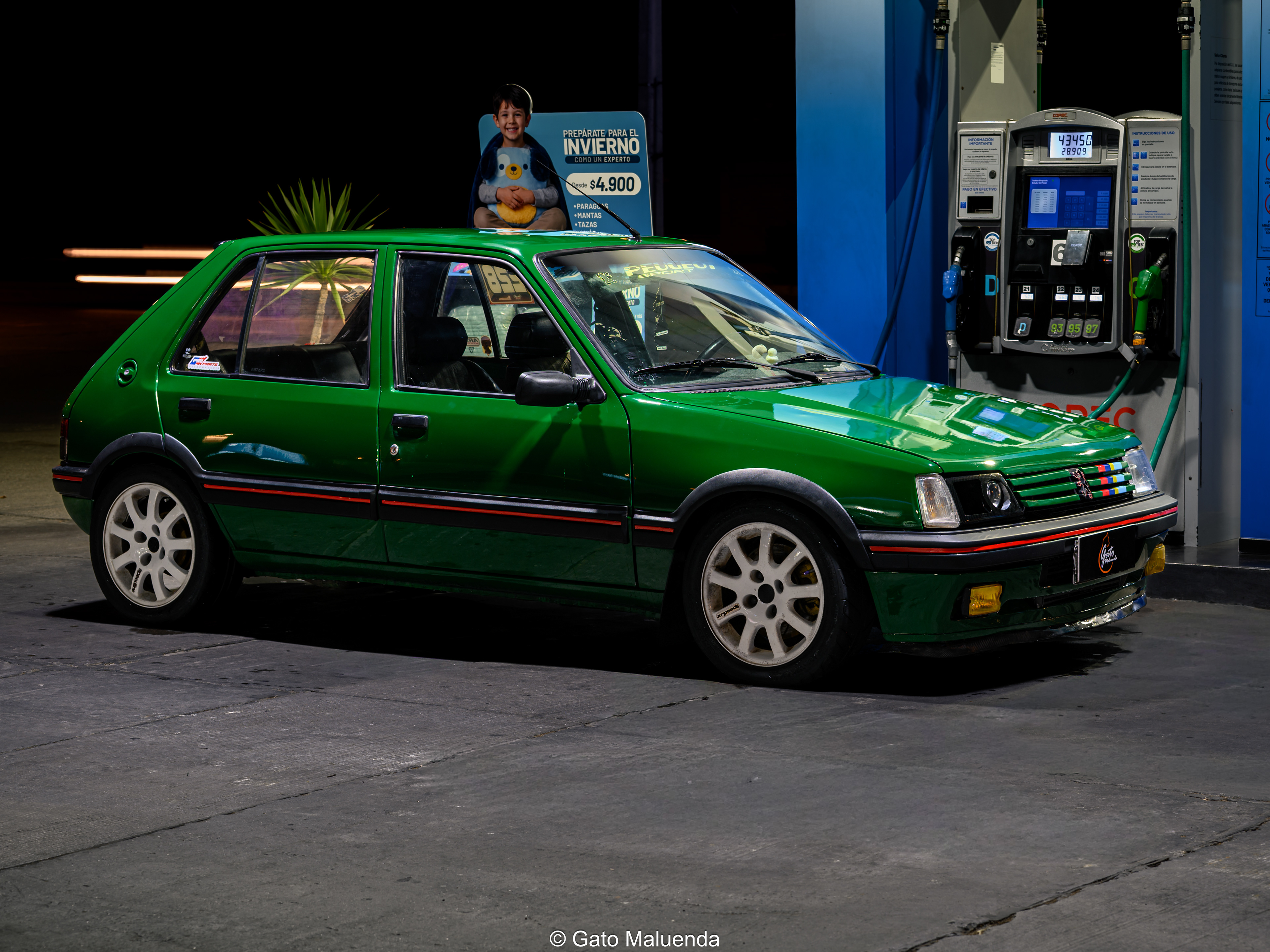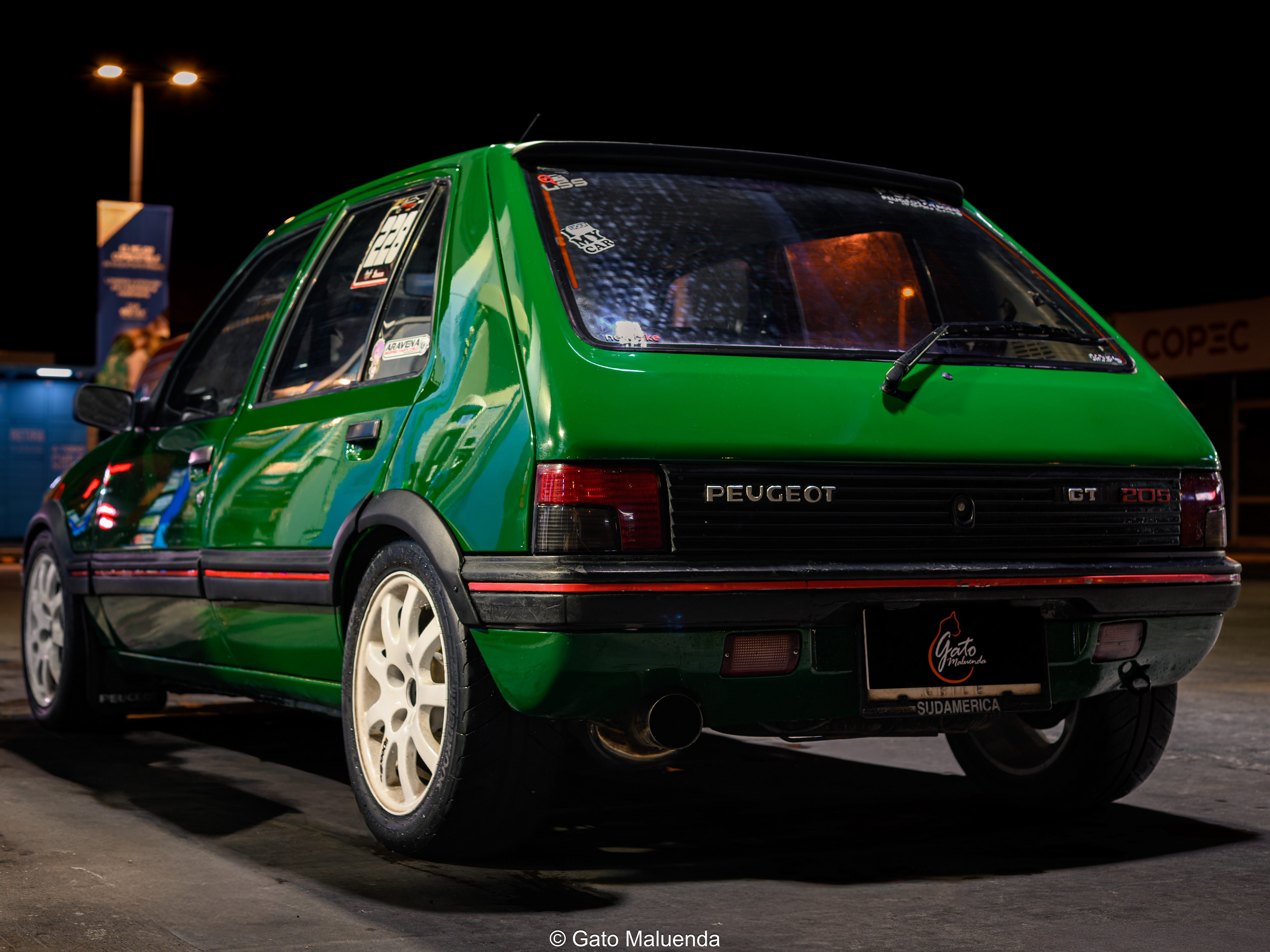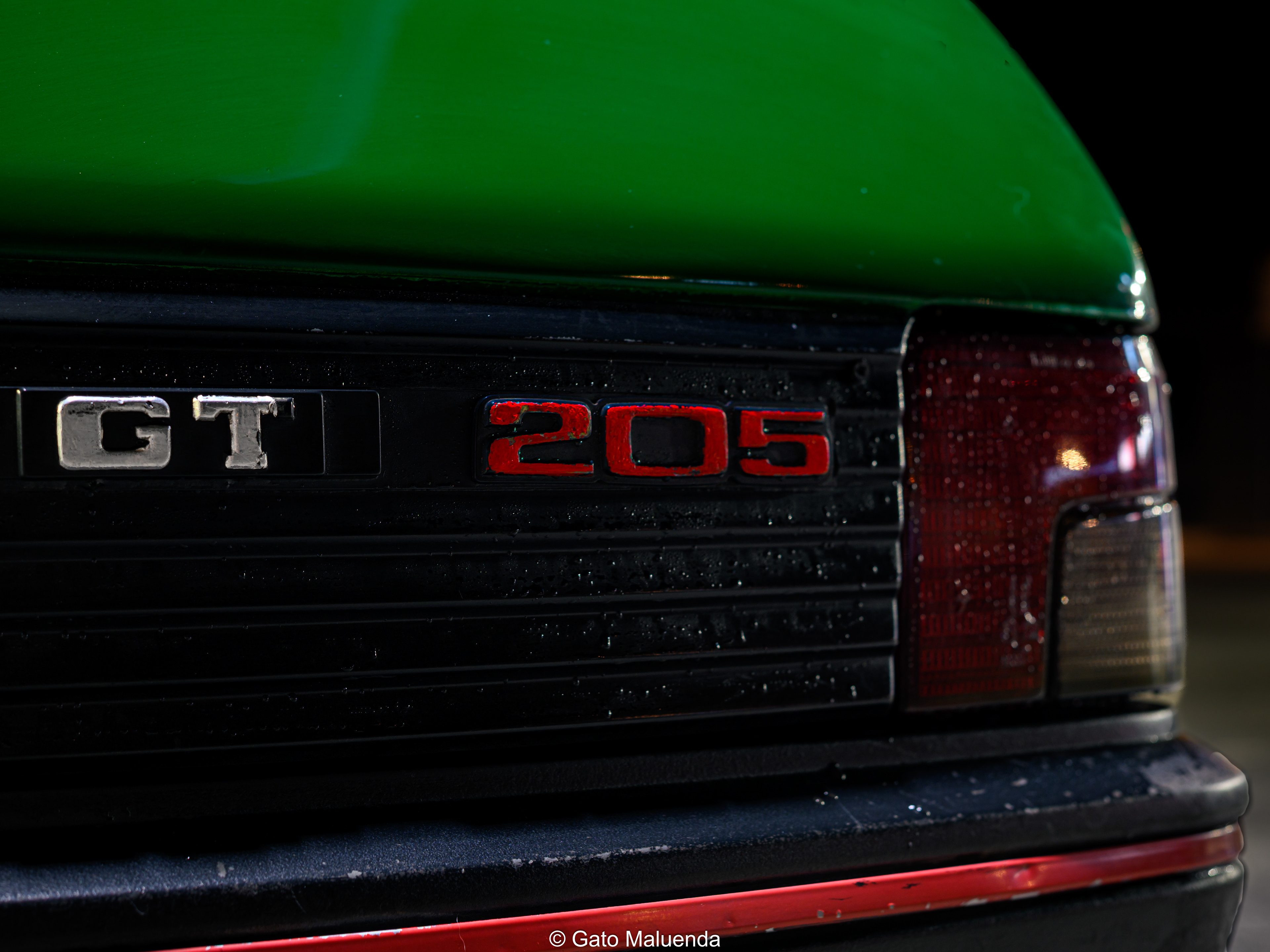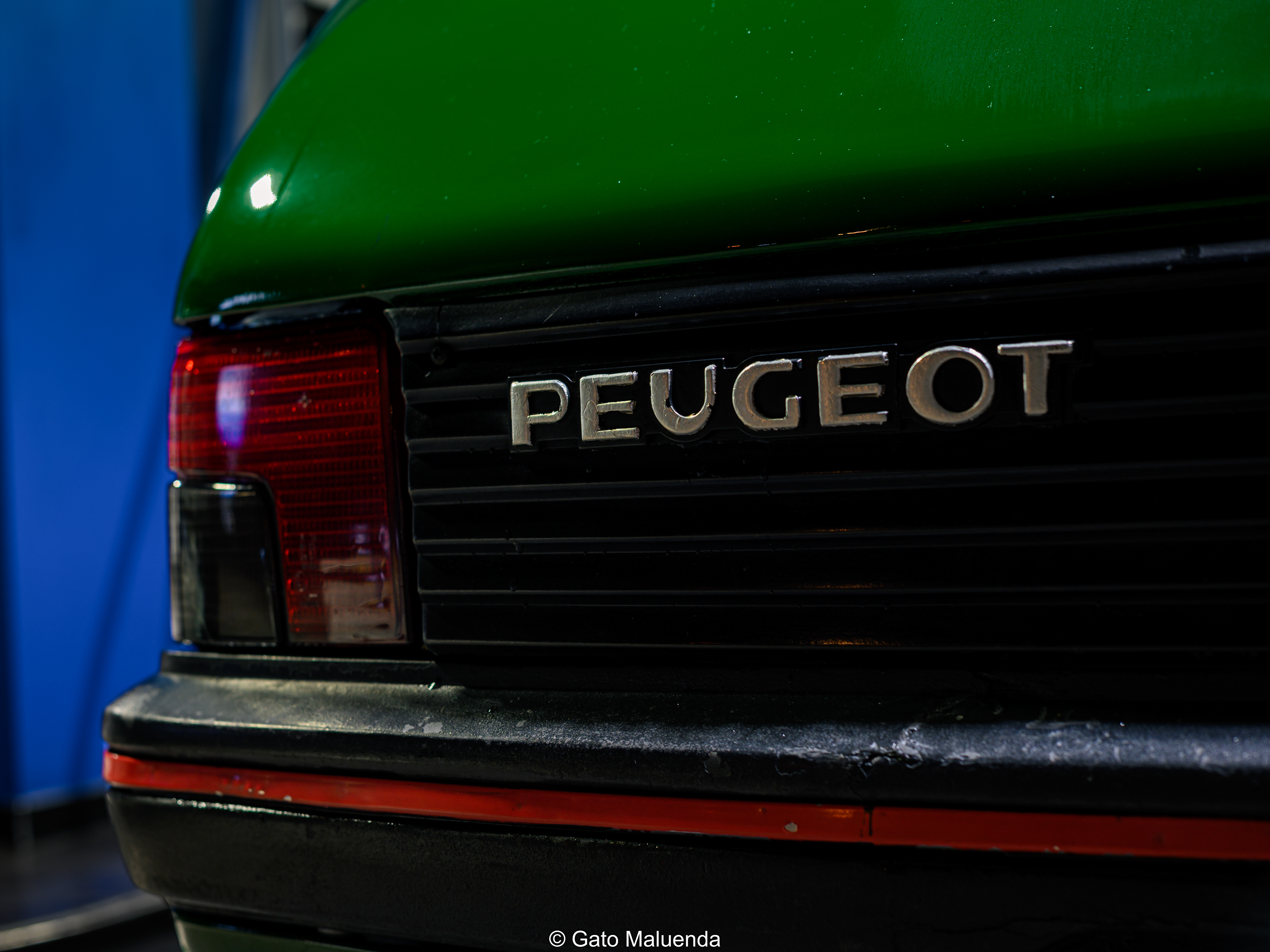
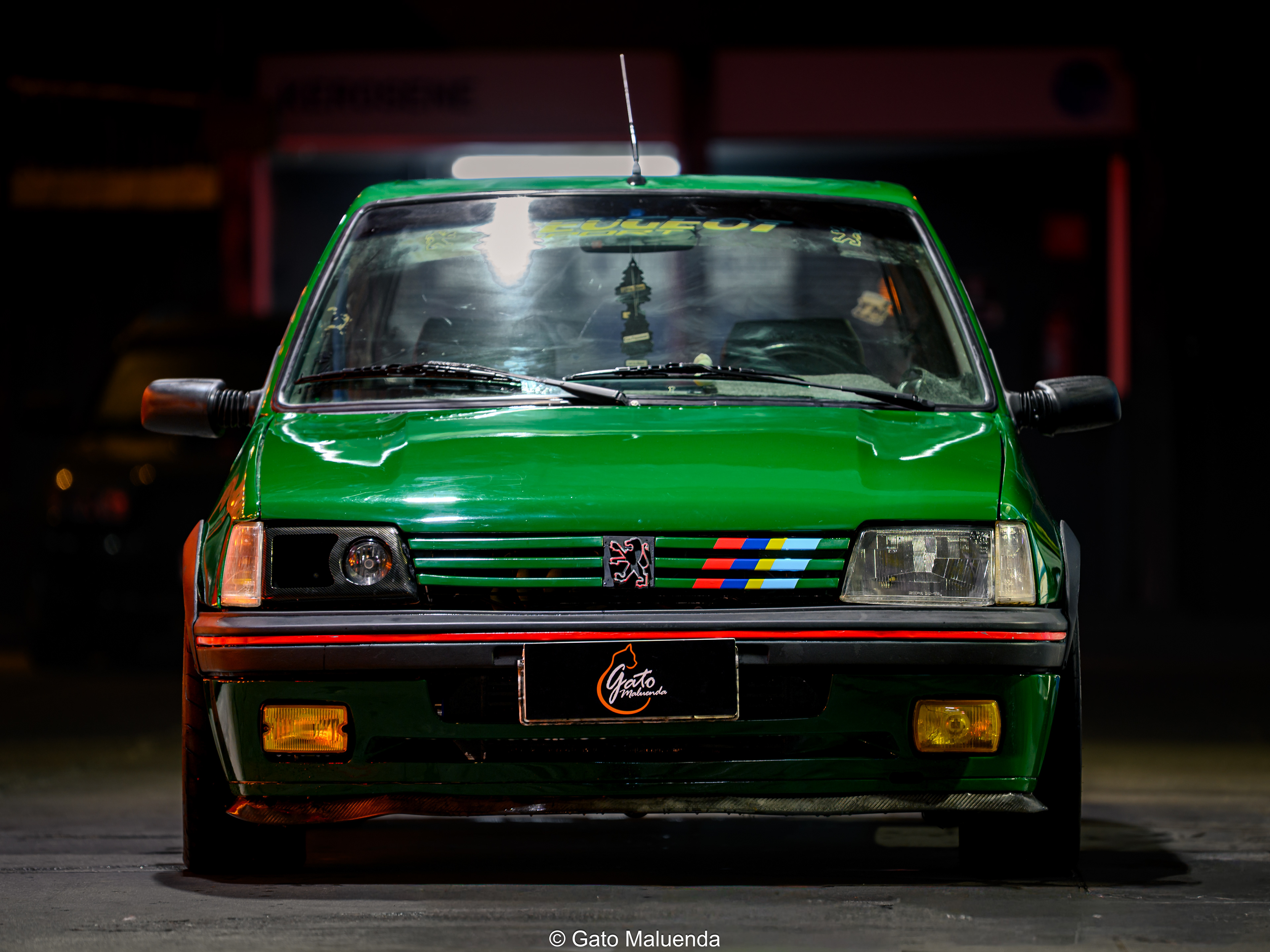
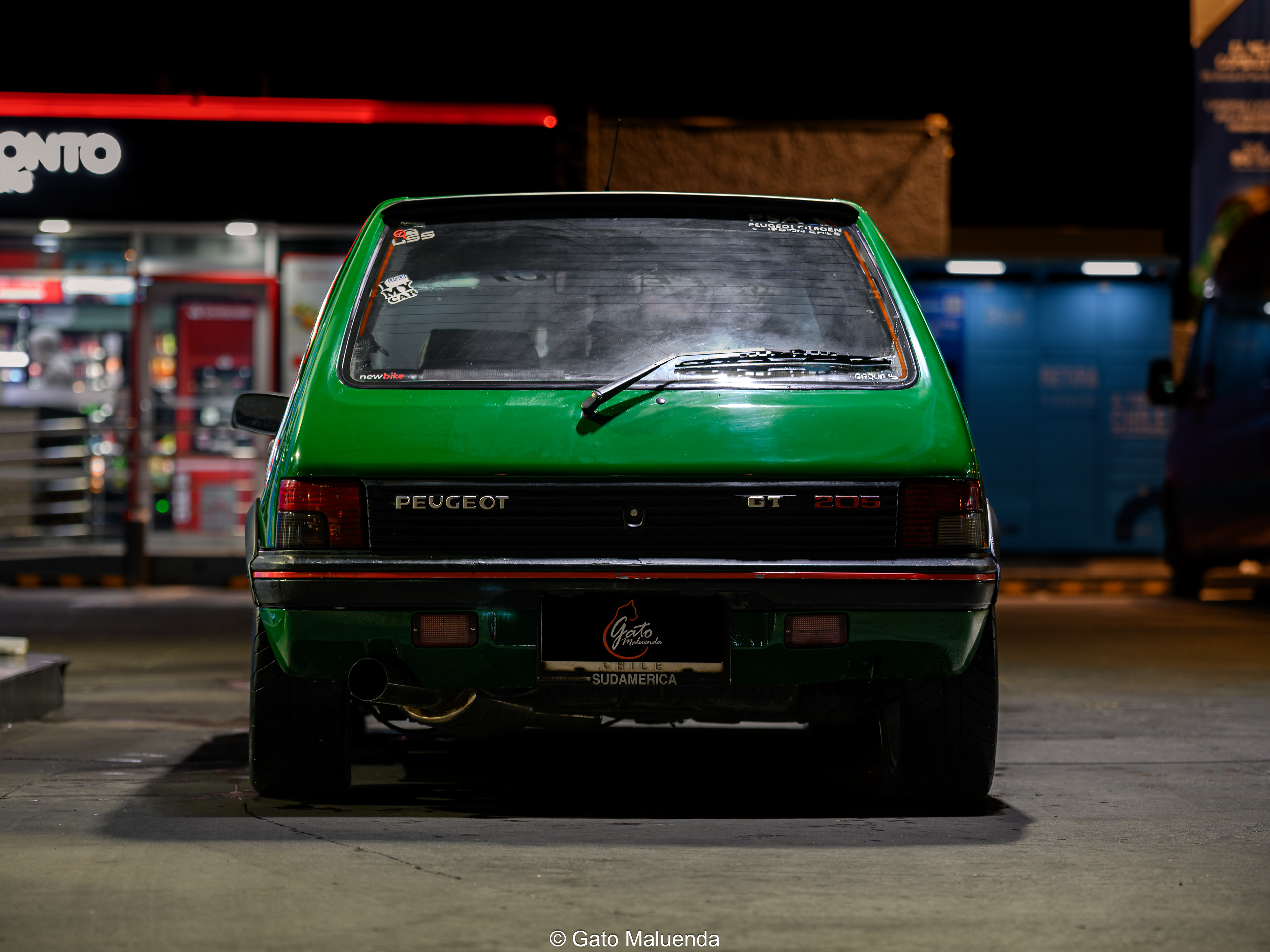
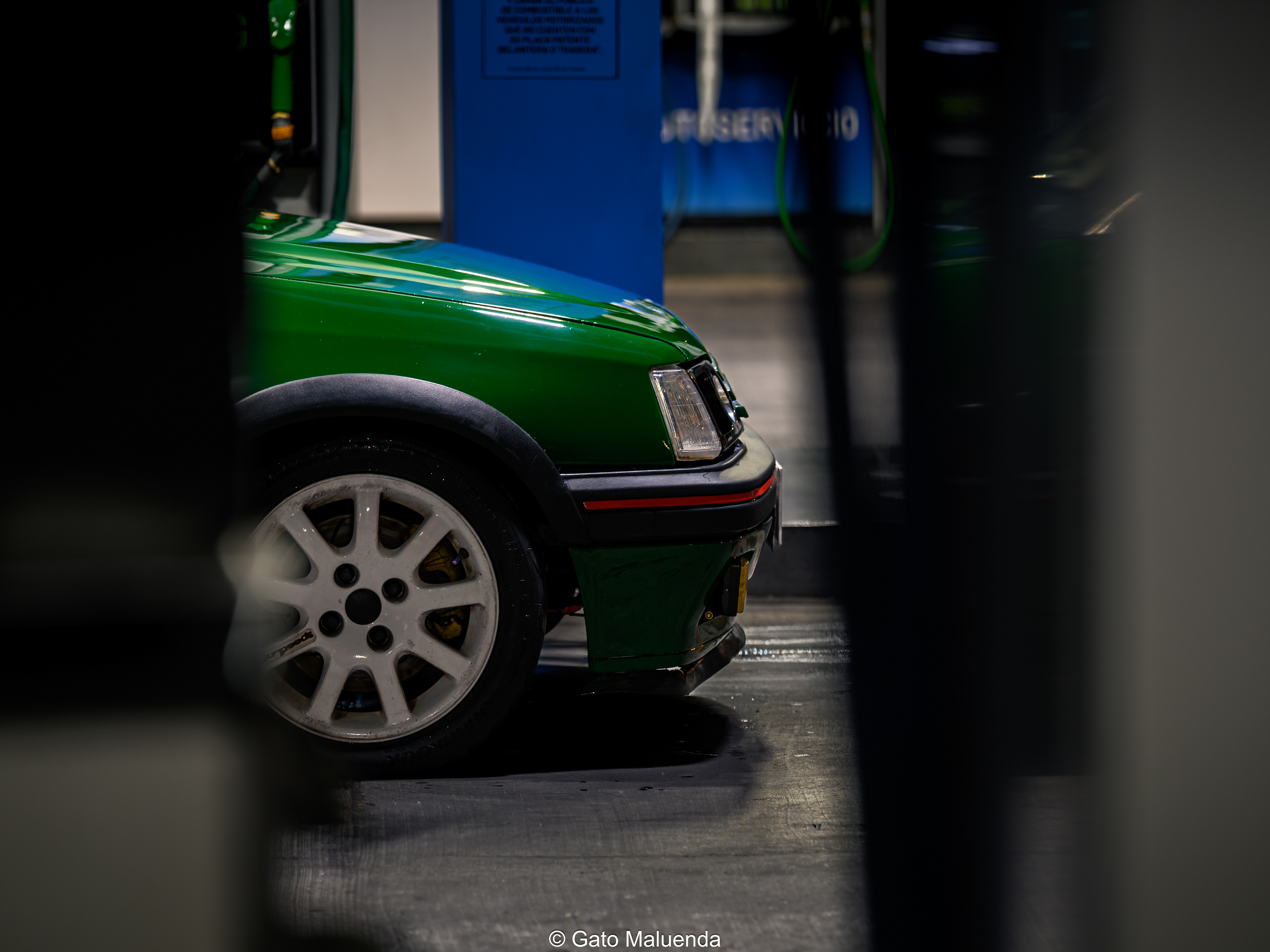
🇨🇱🇪🇸 Pocos imaginarían que un pequeño hatchback de 55 caballos terminaría convirtiéndose en un proyecto turbo capaz de entregar más de 300 Nm de torque.
La historia de este Peugeot está marcada por robos, restauraciones, años de desarrollo y una enorme dosis de perseverancia.
El proyecto M24 comenzó en 1977. ¿La idea? Sustituir al no muy popular 104 y crear un rival directo para competir en el creciente segmento europeo de los hatchbacks compactos. La idea era muy clara: Peugeot buscaba un hatchback compacto, económico de comprar y mantener, pero que mantuviera el confort y el agrado de conducción característicos de la marca,
ya fuera para jóvenes, veteranos o familias completas.
ya fuera para jóvenes, veteranos o familias completas.
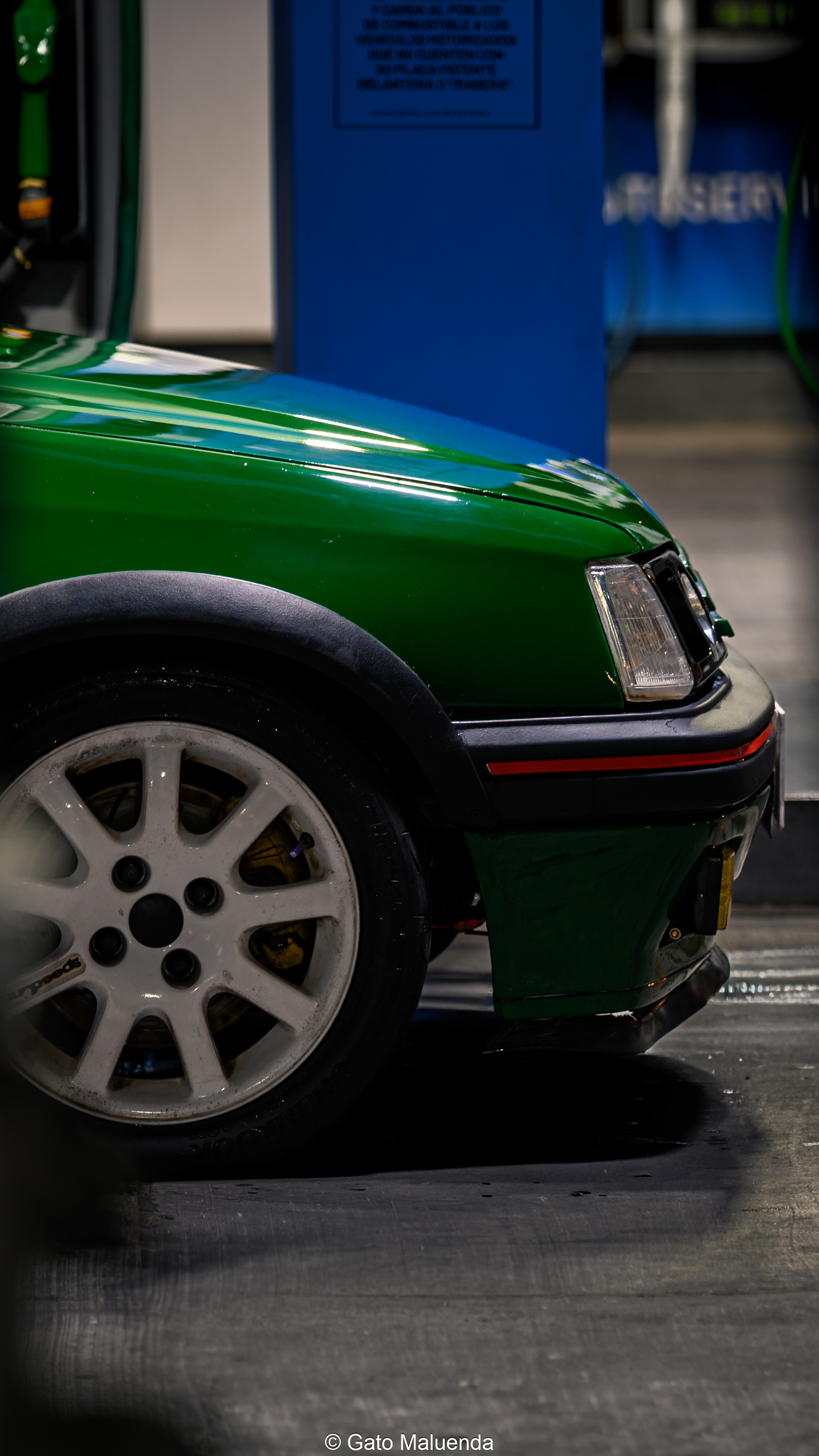
Diseñado por Gérard Welter, optaron por líneas simples, vidrios amplios, pasos de rueda marcados y una silueta equilibrada.
Se lanzó en 1983 y fue un éxito inmediato, vendiendo más de 5,2 millones de unidades a lo largo de sus casi 20 años de producción, considerando todas sus versiones. El Junior apareció en el año 1986 como la versión económica dentro de la gama del 205.
Se lanzó en 1983 y fue un éxito inmediato, vendiendo más de 5,2 millones de unidades a lo largo de sus casi 20 años de producción, considerando todas sus versiones. El Junior apareció en el año 1986 como la versión económica dentro de la gama del 205.
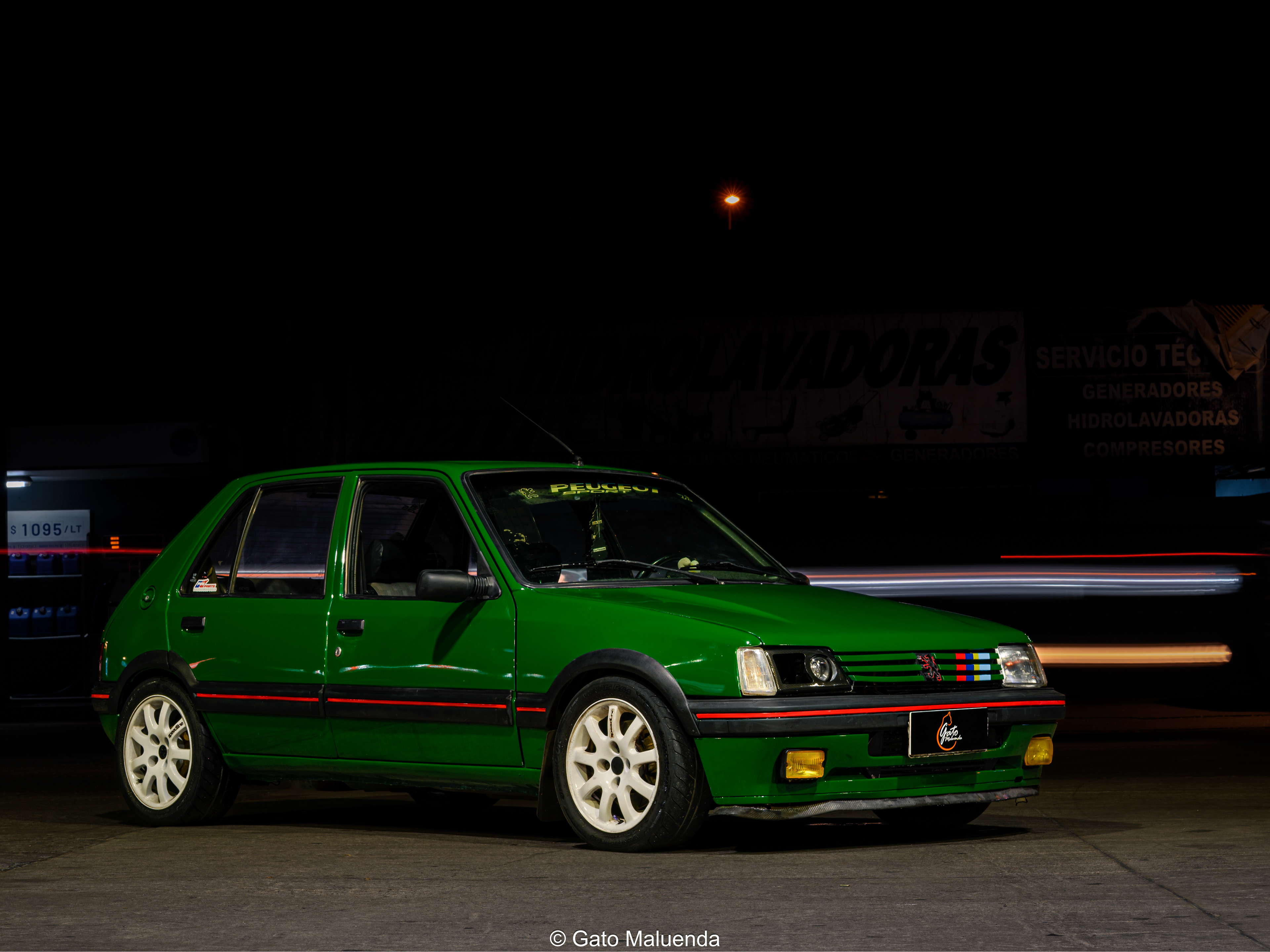
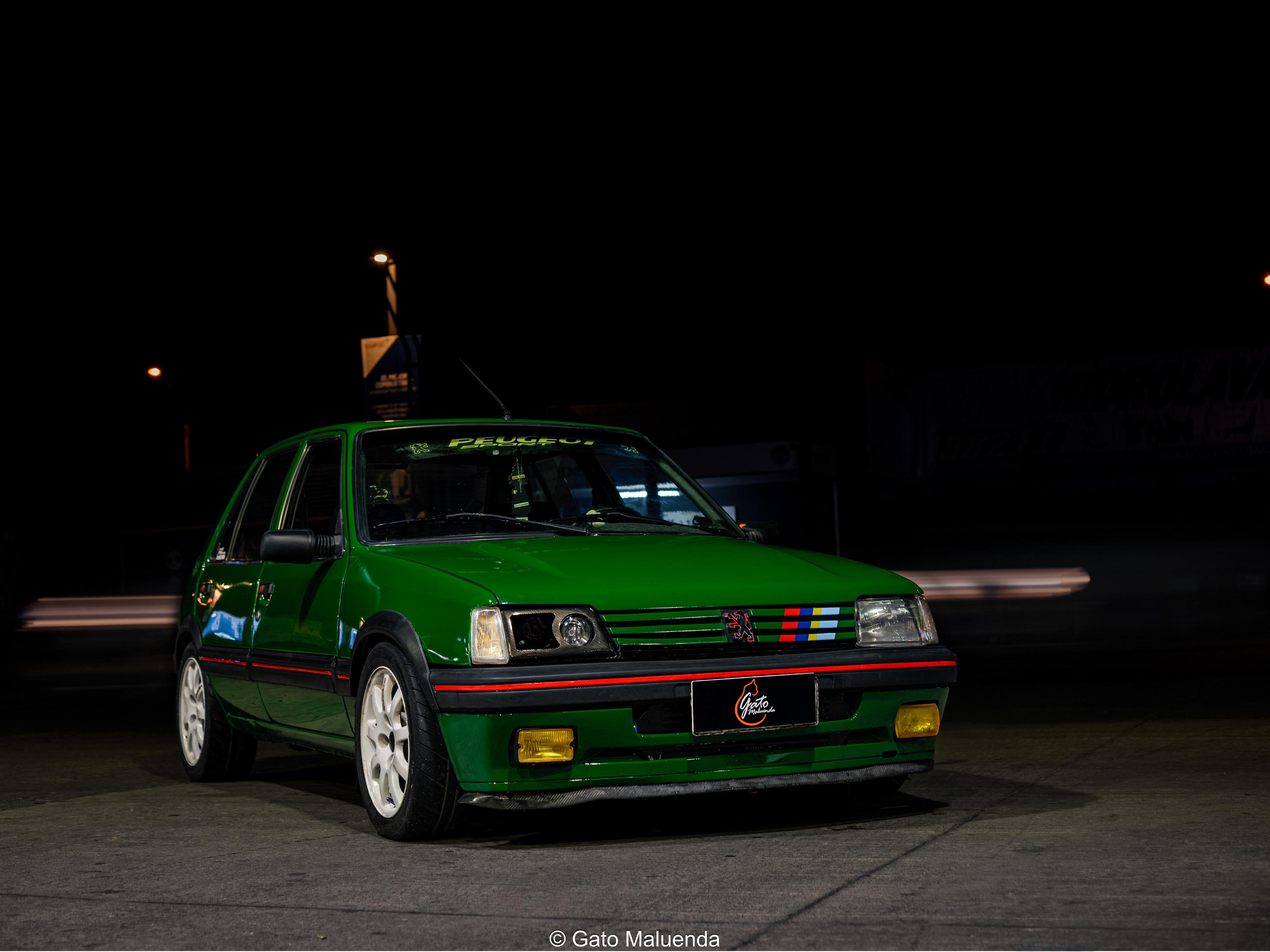
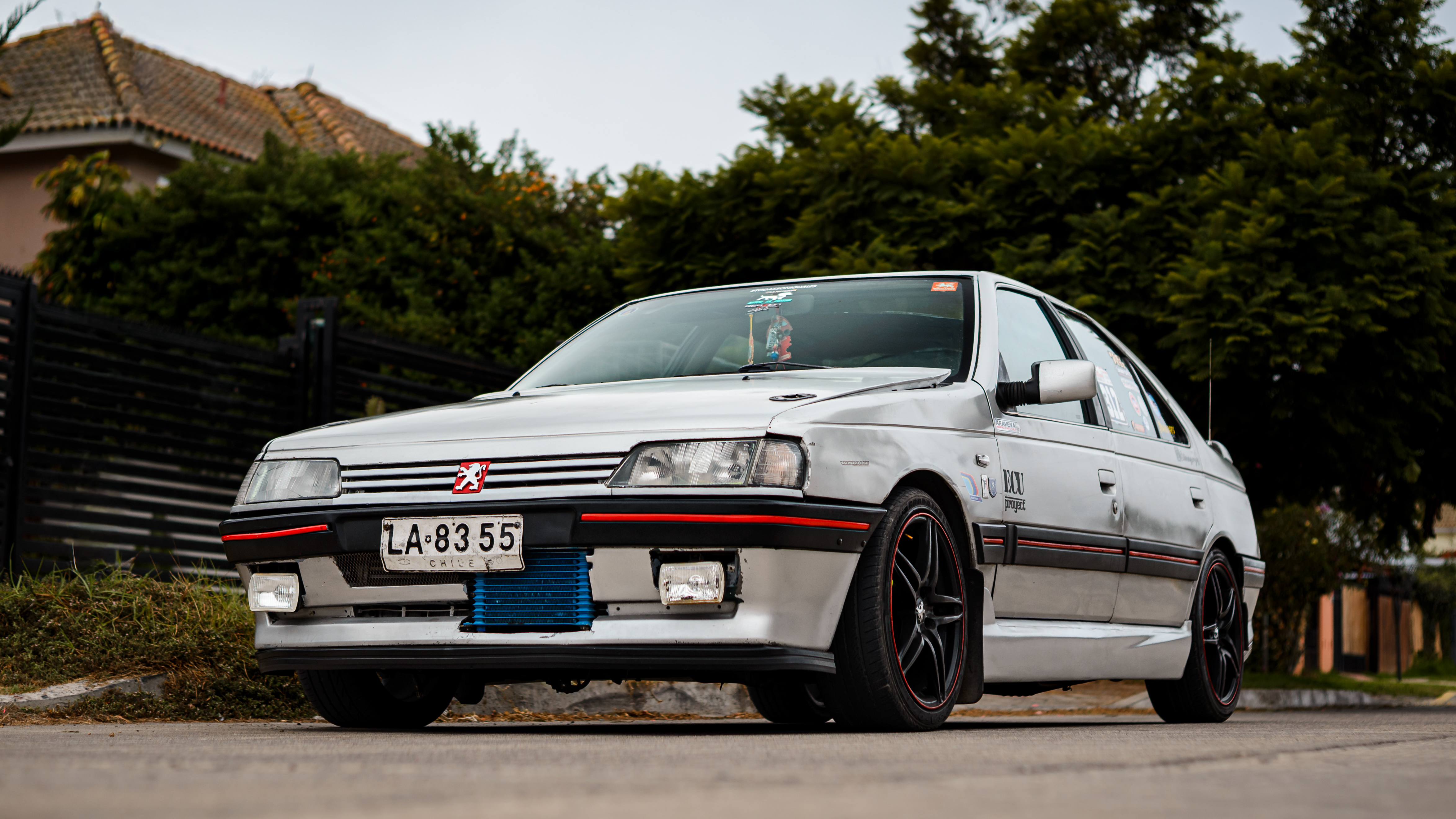
Este en particular es un modelo año 1993, de procedencia brasileña y ensamblado en la planta de Peugeot en Los Andes, Chile.
Con un motor TU1M de 1.1 litros, inyección monopunto y una potencia de solo 55 caballos de fuerza.
Una cifra modesta incluso para la época, y muy distante de los estándares actuales, pero con sus cerca de 800 kg de peso, eran más que suficientes para mover este pequeño vehículo.
Con un motor TU1M de 1.1 litros, inyección monopunto y una potencia de solo 55 caballos de fuerza.
Una cifra modesta incluso para la época, y muy distante de los estándares actuales, pero con sus cerca de 800 kg de peso, eran más que suficientes para mover este pequeño vehículo.
En el año 2014 fue adquirido por su actual dueño, y una nueva vida comenzó.
"Lo compré para hacer negocio."
Cuatro intentos de robo, dos de ellos exitosos. La idea era comprar barato, arreglar y vender caro;
nada hacía presagiar todo el proceso de restauración y modificación que vivió.
nada hacía presagiar todo el proceso de restauración y modificación que vivió.
Motor. Actualmente cuenta con un motor TU5JP 1.6 de 8 válvulas, pero con varias modificaciones:
• Electrónica Magneti Marelli IAW
• Chip Super AFC2
• Levas Z
• Culata Z07
• Turbo Garrett T25
• Inyectores AR80 M24
Todo eso le dio una potencia de 125 hp y 300 Nm de torque con una presión de turbo de 0.3 bar.
Sí, leíste bien: 0.3 bar, algo como 4 o 5 psi de presión, medido en dinamómetro.
Actualmente esa presión subió, la electrónica fue ajustada. Si bien aún tiene pendiente otra visita al dyno,
calculamos cifras cercanas a los 150 caballos de fuerza y 350 Nm de torque.
Sí, leíste bien: 0.3 bar, algo como 4 o 5 psi de presión, medido en dinamómetro.
Actualmente esa presión subió, la electrónica fue ajustada. Si bien aún tiene pendiente otra visita al dyno,
calculamos cifras cercanas a los 150 caballos de fuerza y 350 Nm de torque.
La preparación no se limitó al motor:
• Espirales RM
• Barra estabilizadora de 22 mm
• frenos delanteros de Peugeot 307 de 283 mm
• interior de 205 gti
• Tablero/sinóptico de 6 relojes
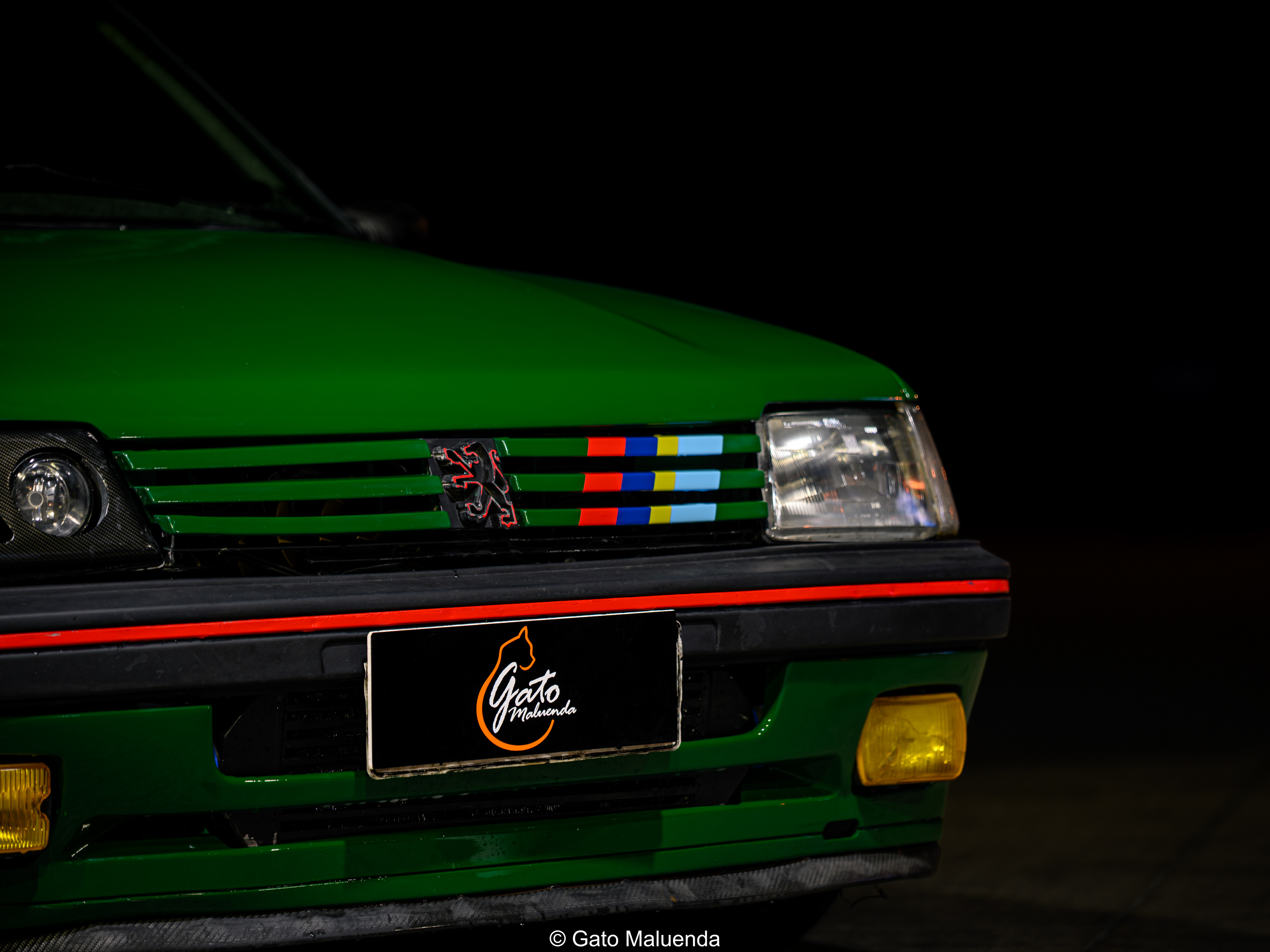
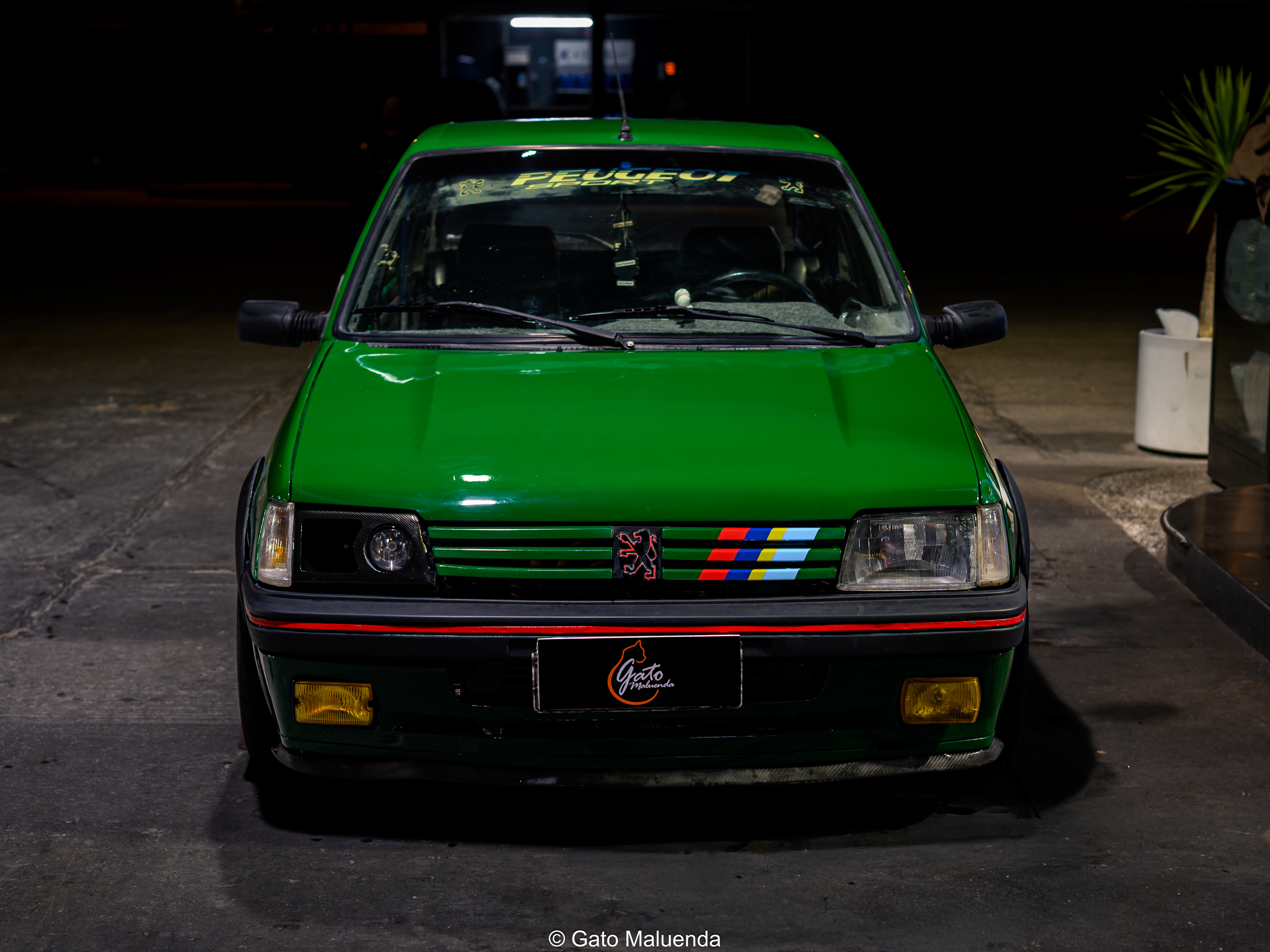
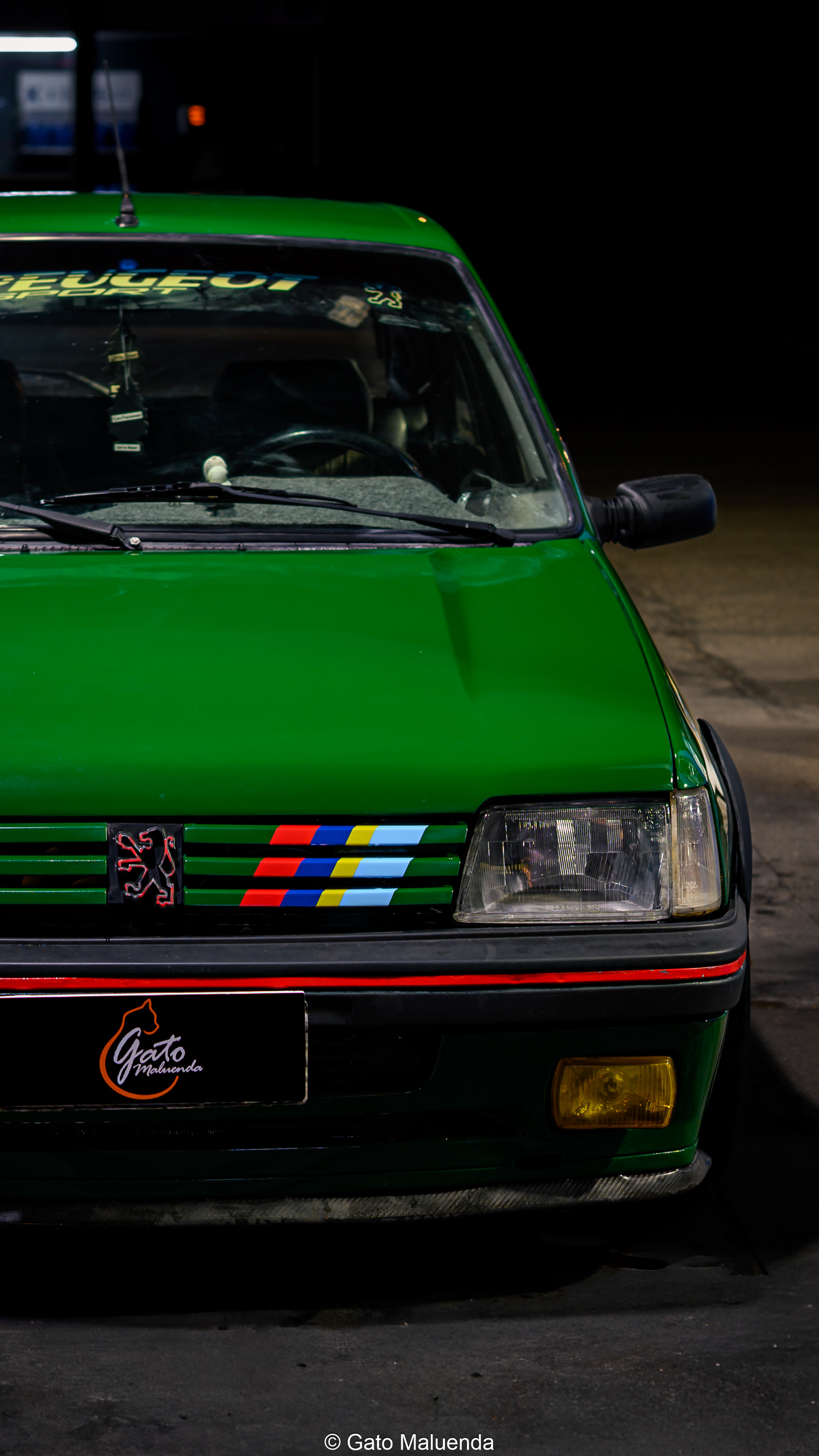
• parachoques delantero GTi
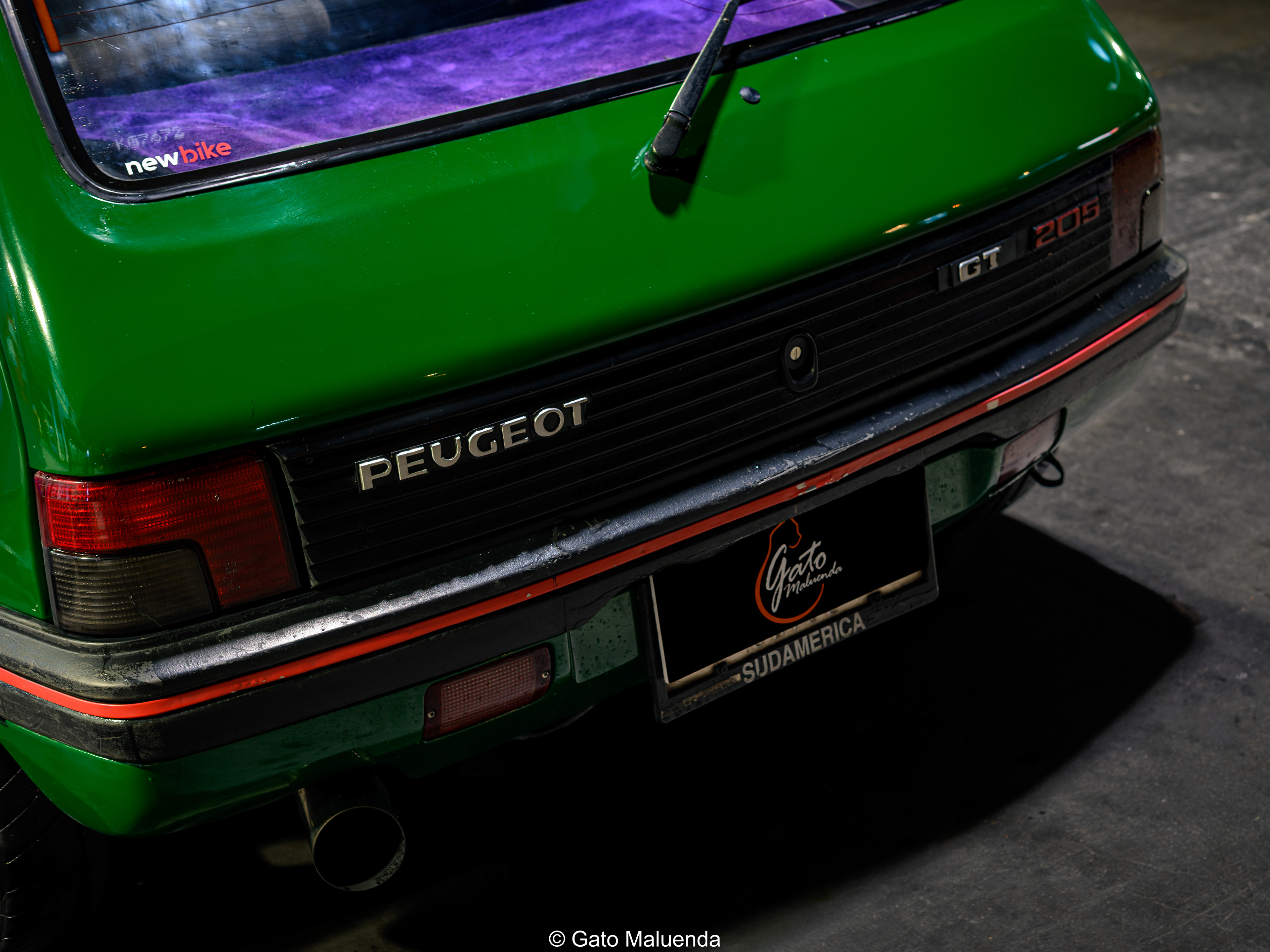
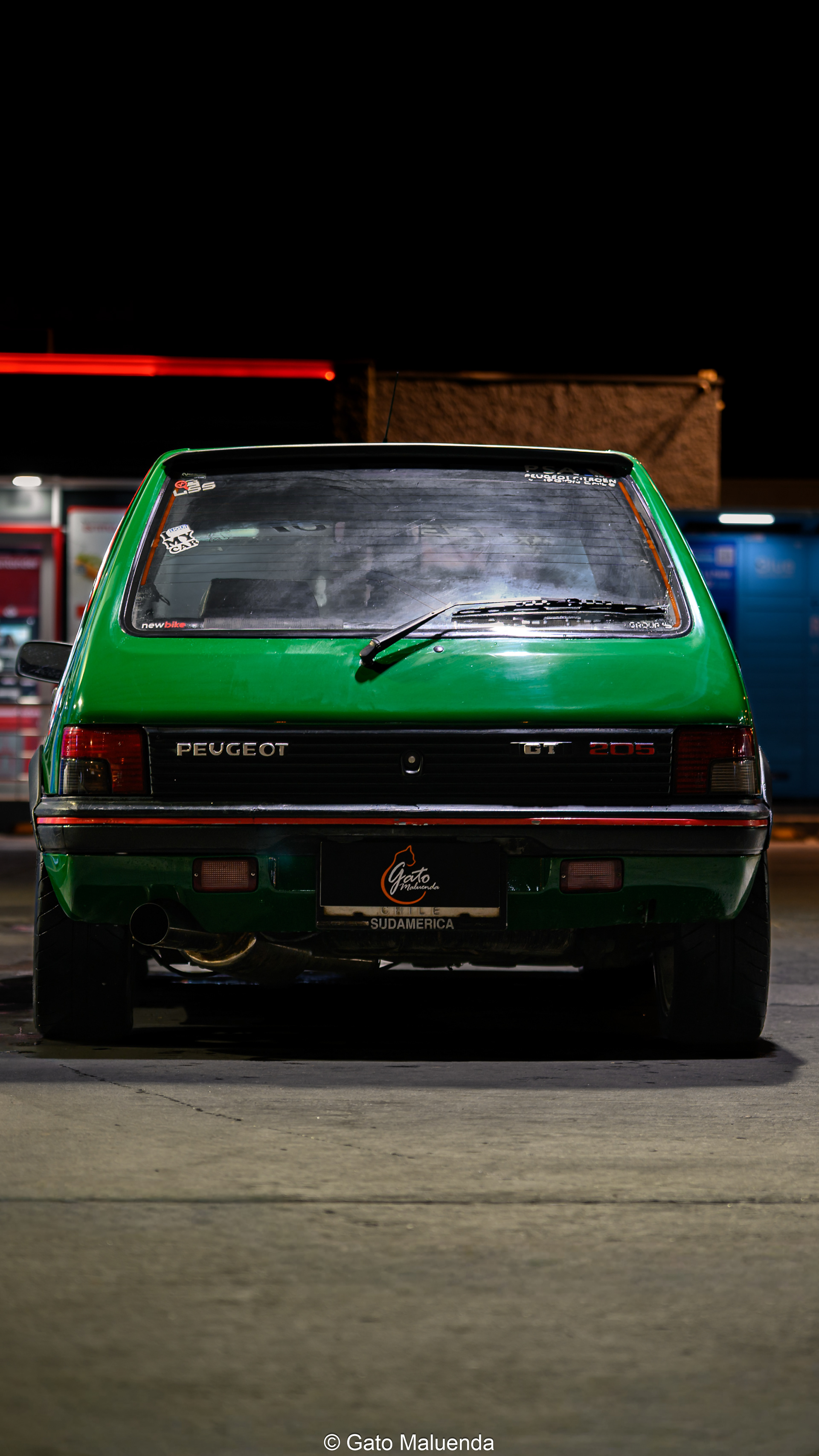
• spoiler trasero GTi
• molduras GTi adaptadas a carrocería de 4 puertas.
Y algunas sorpresas que solo su dueño sabe. Más de 10 años de esfuerzo y desarrollo.
El Junior nunca nació para ser rápido o emocionante; nunca pretendió competir con un GTI.
Pero aquí tenemos a uno haciendo exactamente eso. Uno que sobrevivió a robos, abandonos, restauraciones, un swap de motor
y, sobre todo, a un dueño loco, con un sueño en mente y mucha pasión.
El Junior nunca nació para ser rápido.
Nació para ser un auto económico.
Terminó convirtiéndose en un proyecto imposible de olvidar.
Nació para ser un auto económico.
Terminó convirtiéndose en un proyecto imposible de olvidar.
_________________________________________________________________________________________________________________
🇬🇧🇺🇸 Few would imagine that a small 55-horsepower hatchback would eventually become a turbocharged project capable of producing more than 300 Nm of torque.
The story of this Peugeot is marked by thefts, restorations, years of development and an enormous amount of perseverance.
The M24 project began in 1977. The goal? To replace the not-so-popular 104 and create a direct competitor in the growing European compact hatchback segment. The idea was very clear. Peugeot wanted a compact hatchback that was affordable to buy and inexpensive to maintain, while preserving the comfort and enjoyable driving experience that characterized the brand, whether for young drivers, experienced motorists or entire families.
Designed by Gérard Welter, the 205 featured clean lines, large glass areas, pronounced wheel arches and a well-balanced silhouette.
It was launched in 1983 and became an immediate success, selling more than 5.2 million units throughout its nearly 20-year production run across all versions. The Junior was introduced in 1986 as the entry-level version of the 205 range.
It was launched in 1983 and became an immediate success, selling more than 5.2 million units throughout its nearly 20-year production run across all versions. The Junior was introduced in 1986 as the entry-level version of the 205 range.
This particular example is a 1993 model, sourced from Brazil and assembled at Peugeot's plant in Los Andes, Chile.
It was originally powered by a 1.1-liter TU1M engine with single-point fuel injection, producing just 55 horsepower.
A modest figure even for its time, and far below today's standards, but with a curb weight of around 800 kg,
it was more than enough to move this little car.
It was originally powered by a 1.1-liter TU1M engine with single-point fuel injection, producing just 55 horsepower.
A modest figure even for its time, and far below today's standards, but with a curb weight of around 800 kg,
it was more than enough to move this little car.
In 2014, it was purchased by its current owner, and a new chapter in its life began.
"I bought it to make a profit."
Four theft attempts followed, two of them successful. The original plan was simple: buy it cheap, fix it and sell it for a profit.
Nothing hinted at the extensive restoration and transformation that would follow.
Nothing hinted at the extensive restoration and transformation that would follow.
Engine, It now features a TU5JP 1.6-liter 8-valve engine with several modifications:
• Magneti Marelli IAW engine management
• Super AFC2 chip
• Z camshaft
• Z07 cylinder head
• Garrett T25 turbocharger
• AR80 injectors
All of this resulted in an output of 125 horsepower and 300 Nm of torque while running just 0.3 bar of turbo boost. Yes, you read that correctly: 0.3 bar, roughly 4 to 5 psi of boost pressure, measured on a dynamometer.
The boost pressure has since been increased and the engine management further refined. Although the car has yet to return to the dyno,
we estimate the current setup to produce around 150 horsepower and 350 Nm of torque.
The boost pressure has since been increased and the engine management further refined. Although the car has yet to return to the dyno,
we estimate the current setup to produce around 150 horsepower and 350 Nm of torque.
The build wasn't limited to the engine:
• RM springs
• a 22 mm anti-roll bar
• 283 mm front brakes from a Peugeot 307
• 205 GTi interior
• six-gauge instrument cluster
• GTi front bumper
• GTi rear spoiler
• GTi side moldings adapted to the four-door body.
And a few surprises known only to its owner. More than ten years of effort and development.
The Junior was never born to be fast or exciting. It was never meant to compete with a GTI. Yet here we are, looking at one doing exactly that. One that survived thefts, abandonment, restorations, an engine swap and,
above all, an owner crazy enough to chase a dream with endless passion.
The Junior was never born to be fast or exciting. It was never meant to compete with a GTI. Yet here we are, looking at one doing exactly that. One that survived thefts, abandonment, restorations, an engine swap and,
above all, an owner crazy enough to chase a dream with endless passion.
The Junior was never born to be fast.
It was born to be an affordable car.
It ended up becoming a project impossible to forget.
It was born to be an affordable car.
It ended up becoming a project impossible to forget.