🇨🇱🇪🇸 La libertad tiene motor central
Si estás leyendo esto y visitando esta página, probablemente no solo te gustan los autos: te apasionan. El rugido de un motor,
el ambiente de un circuito y todo lo que ocurre alrededor de una carrera pueden emocionarte, relajarte o simplemente hacerte feliz.
Esta historia nace de esa misma pasión, una que ha sobrevivido durante generaciones.
el ambiente de un circuito y todo lo que ocurre alrededor de una carrera pueden emocionarte, relajarte o simplemente hacerte feliz.
Esta historia nace de esa misma pasión, una que ha sobrevivido durante generaciones.
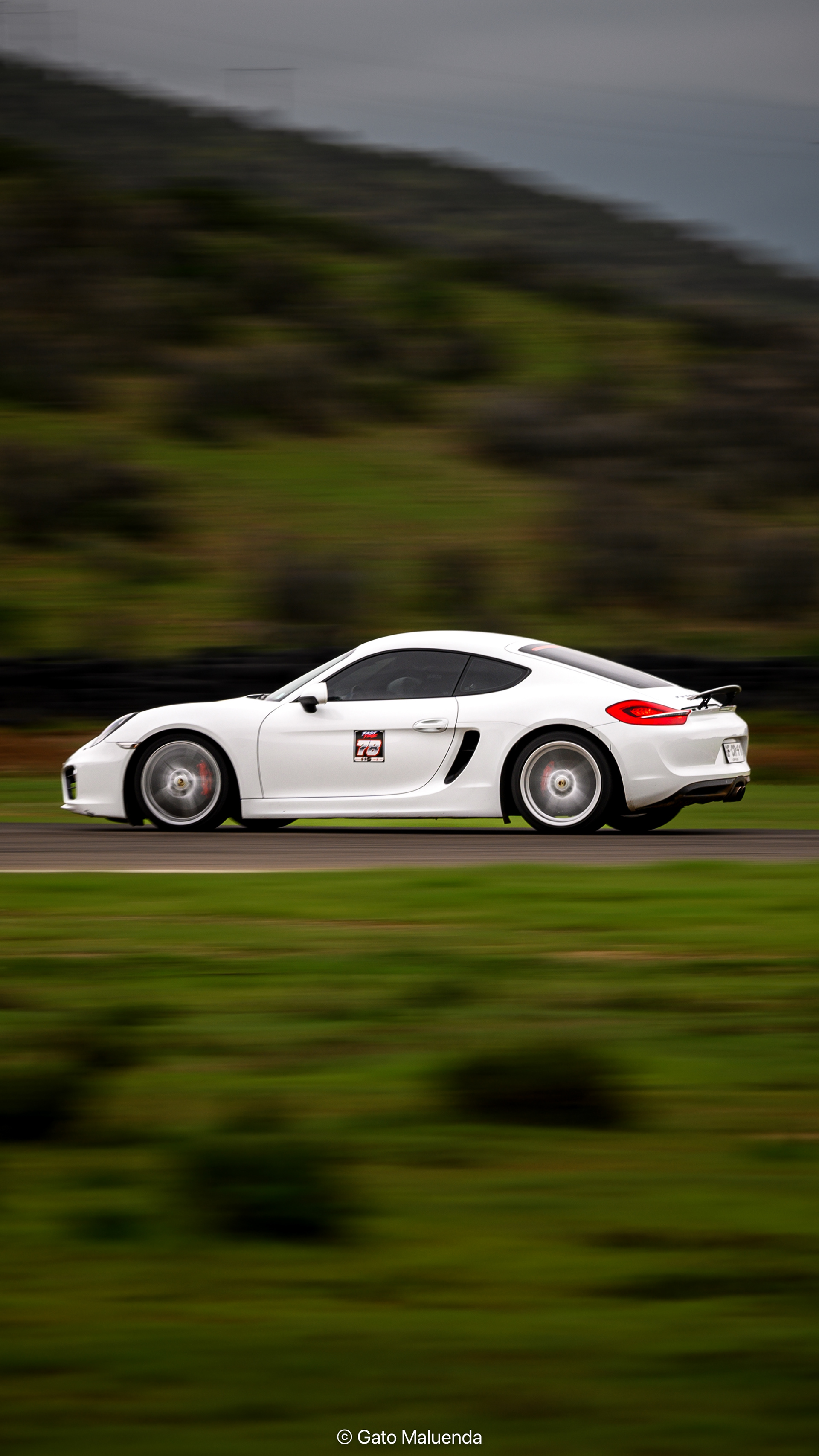
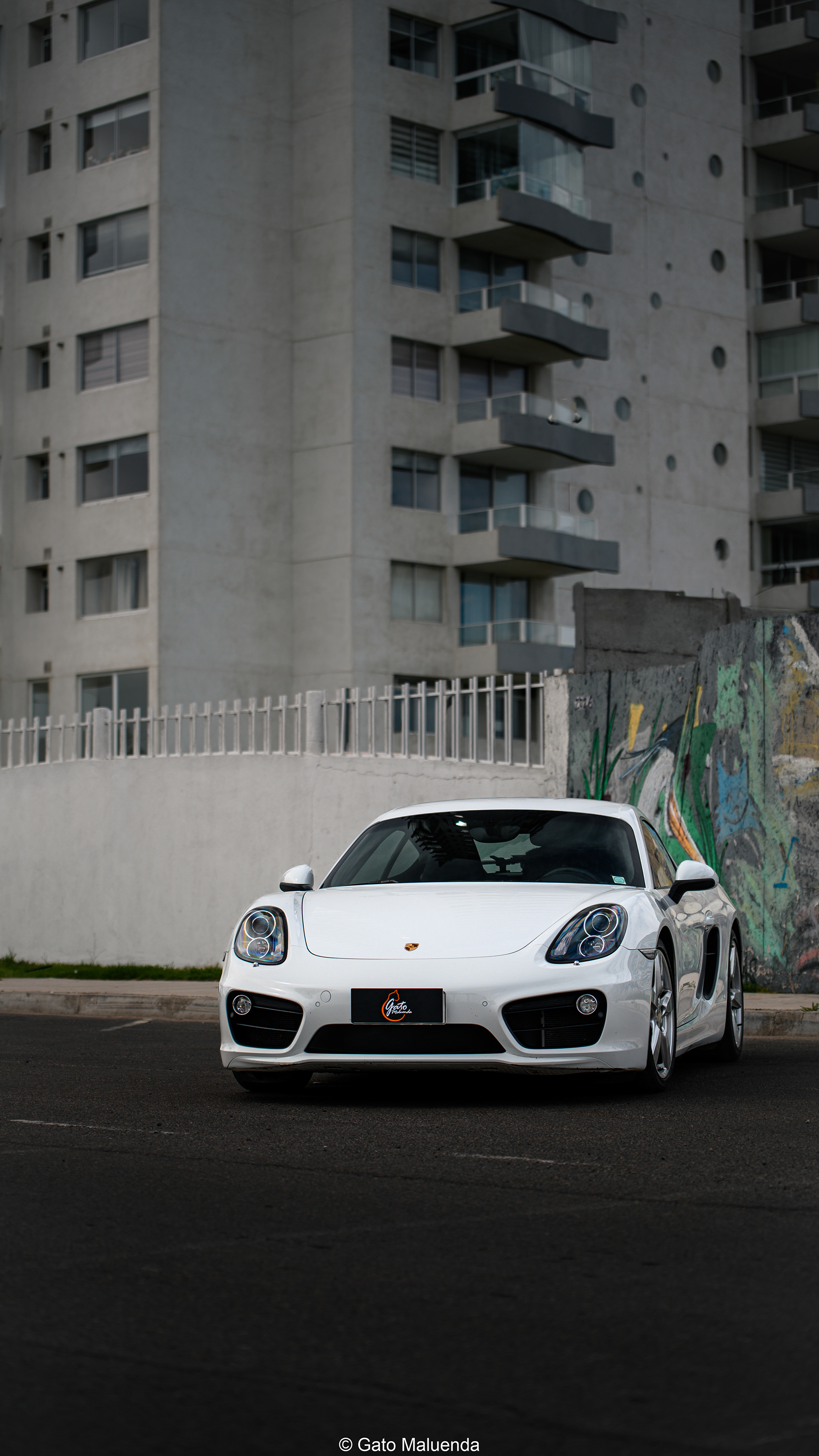
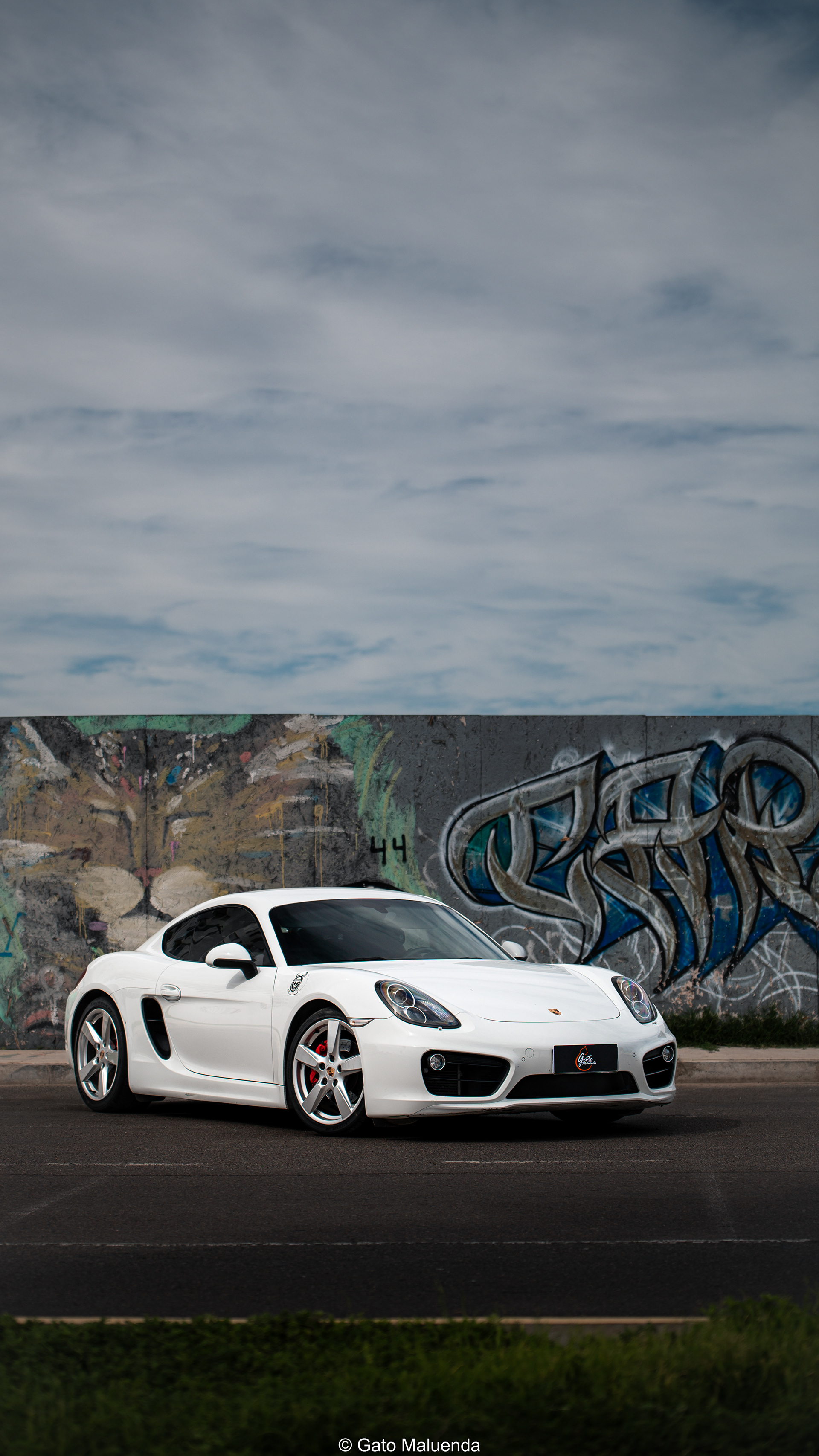
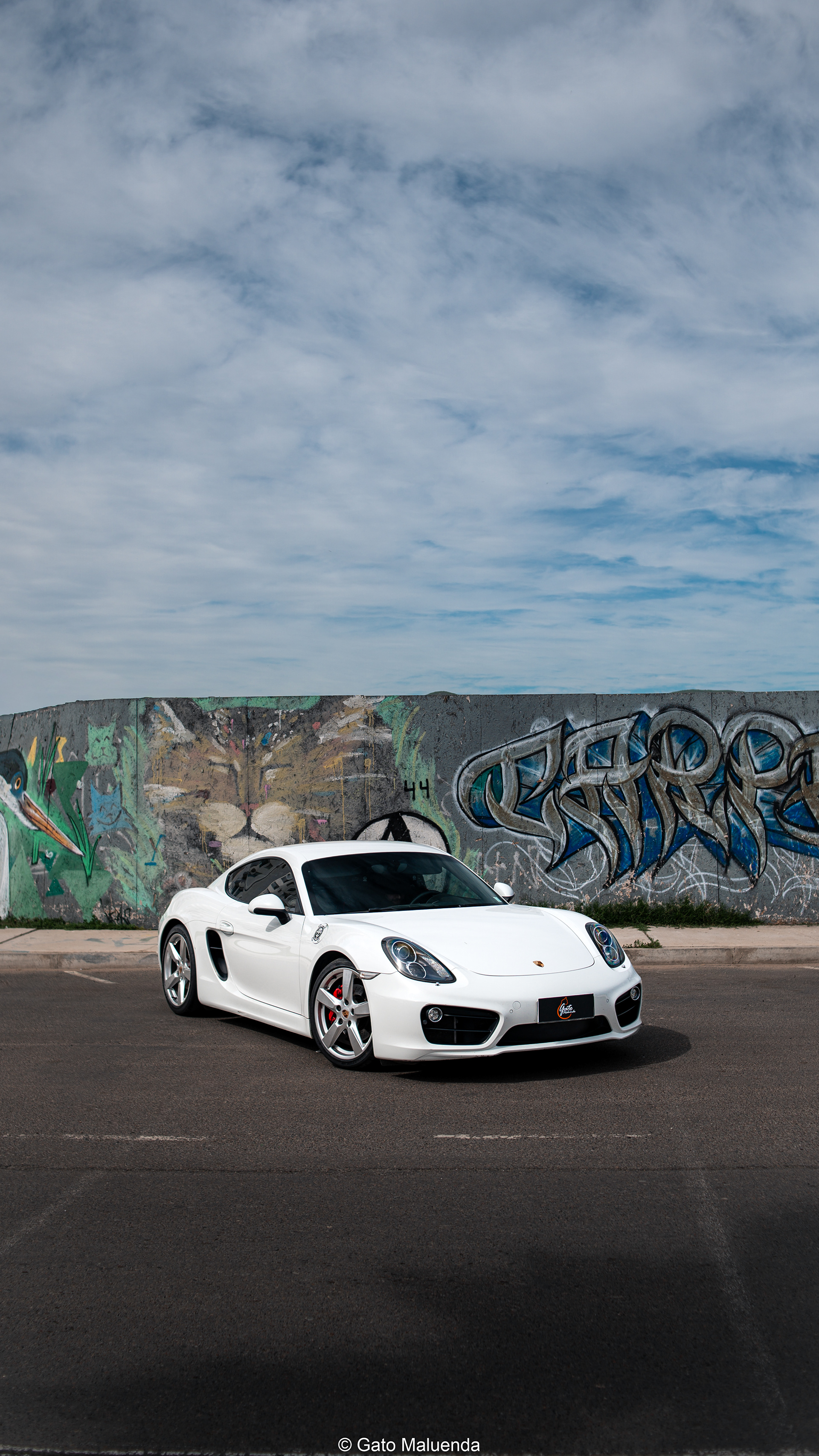
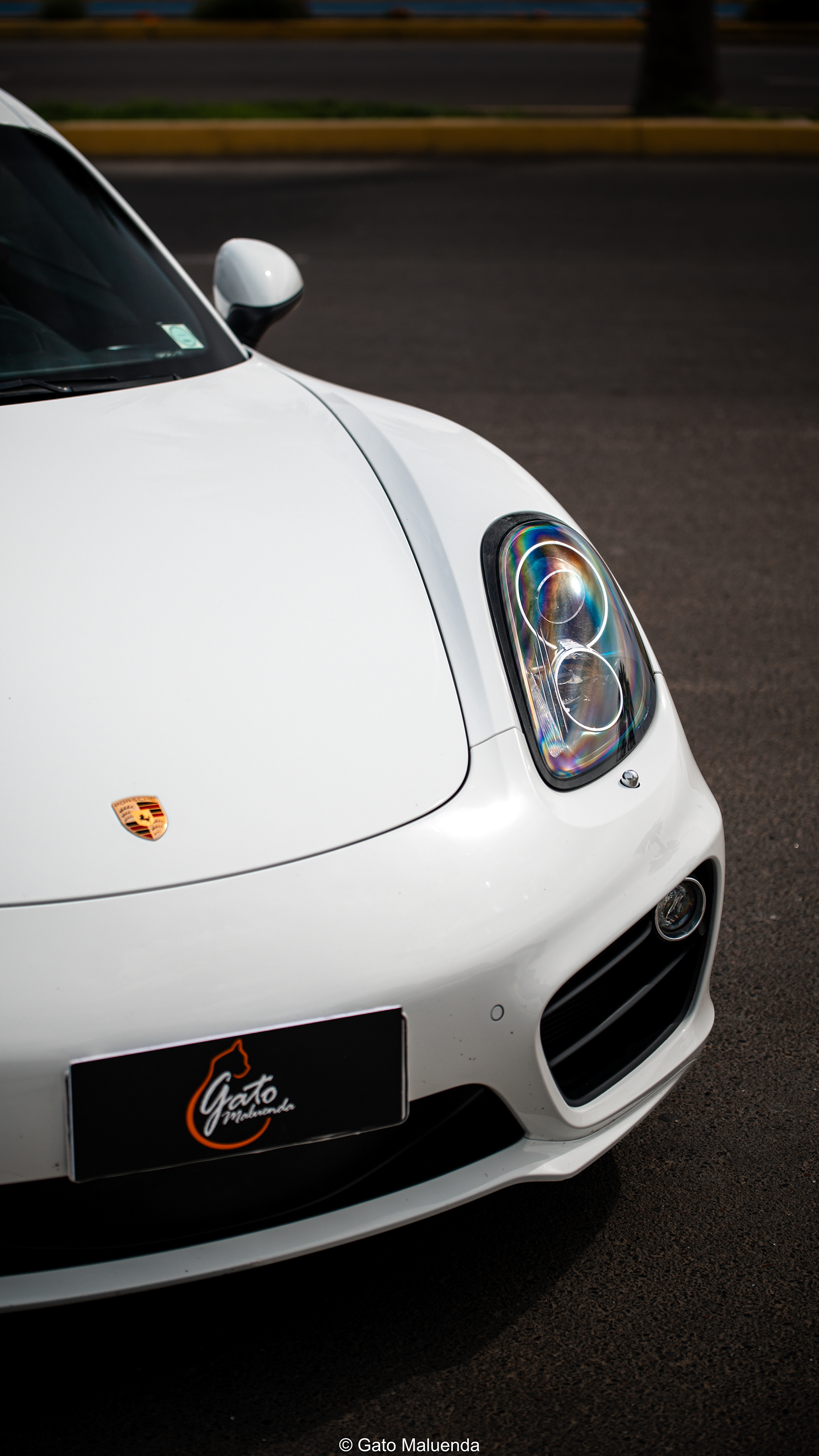
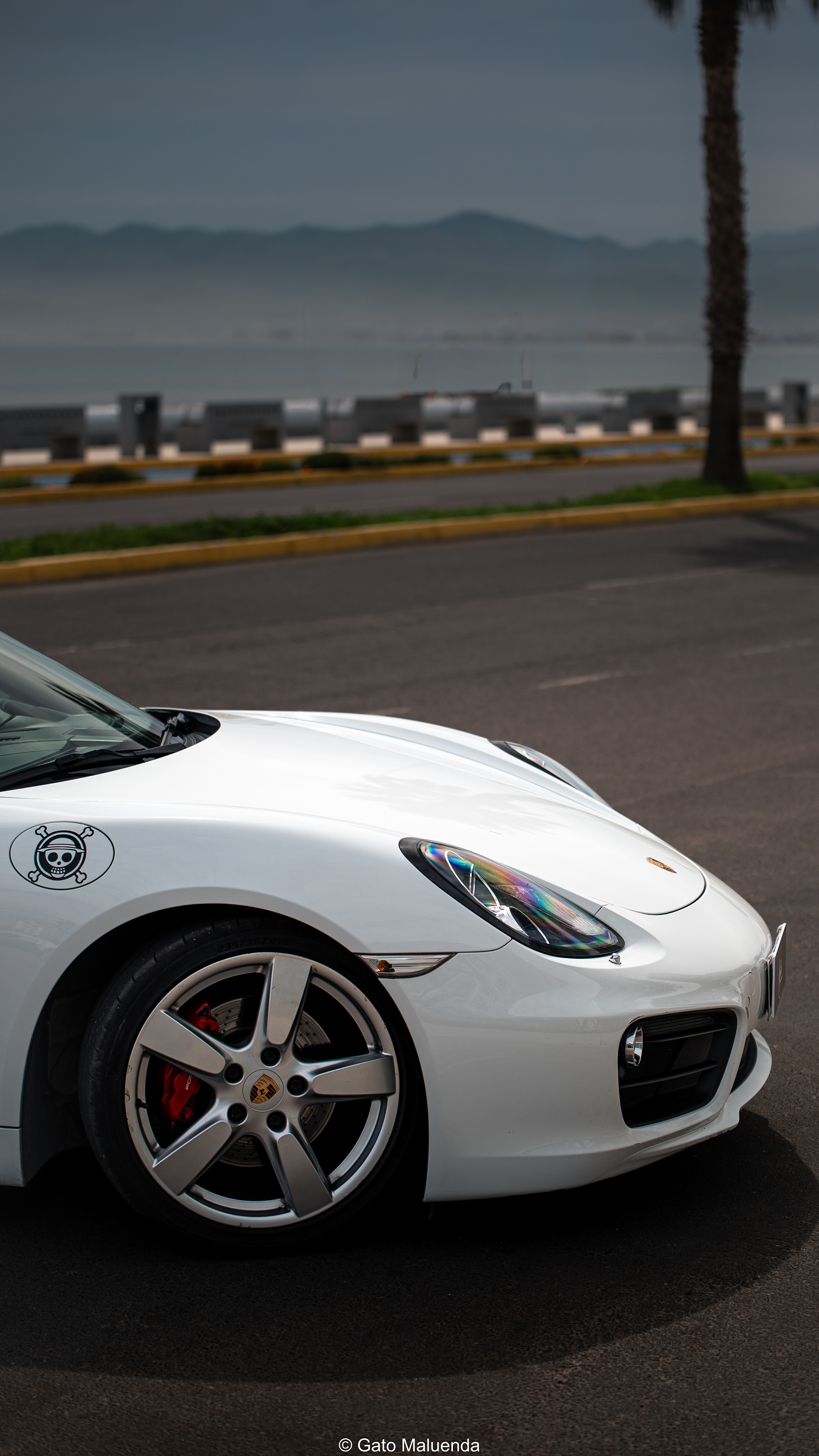
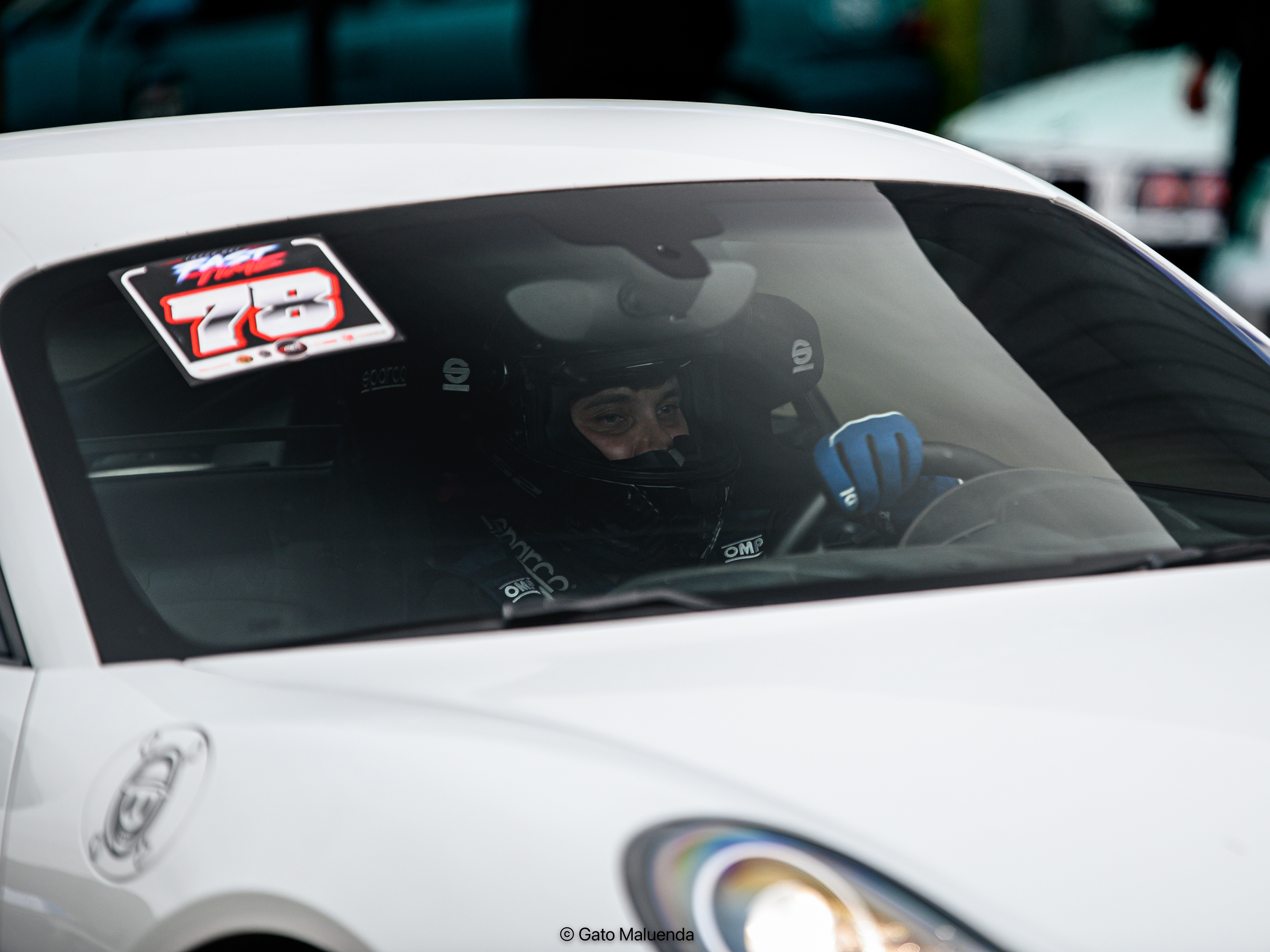
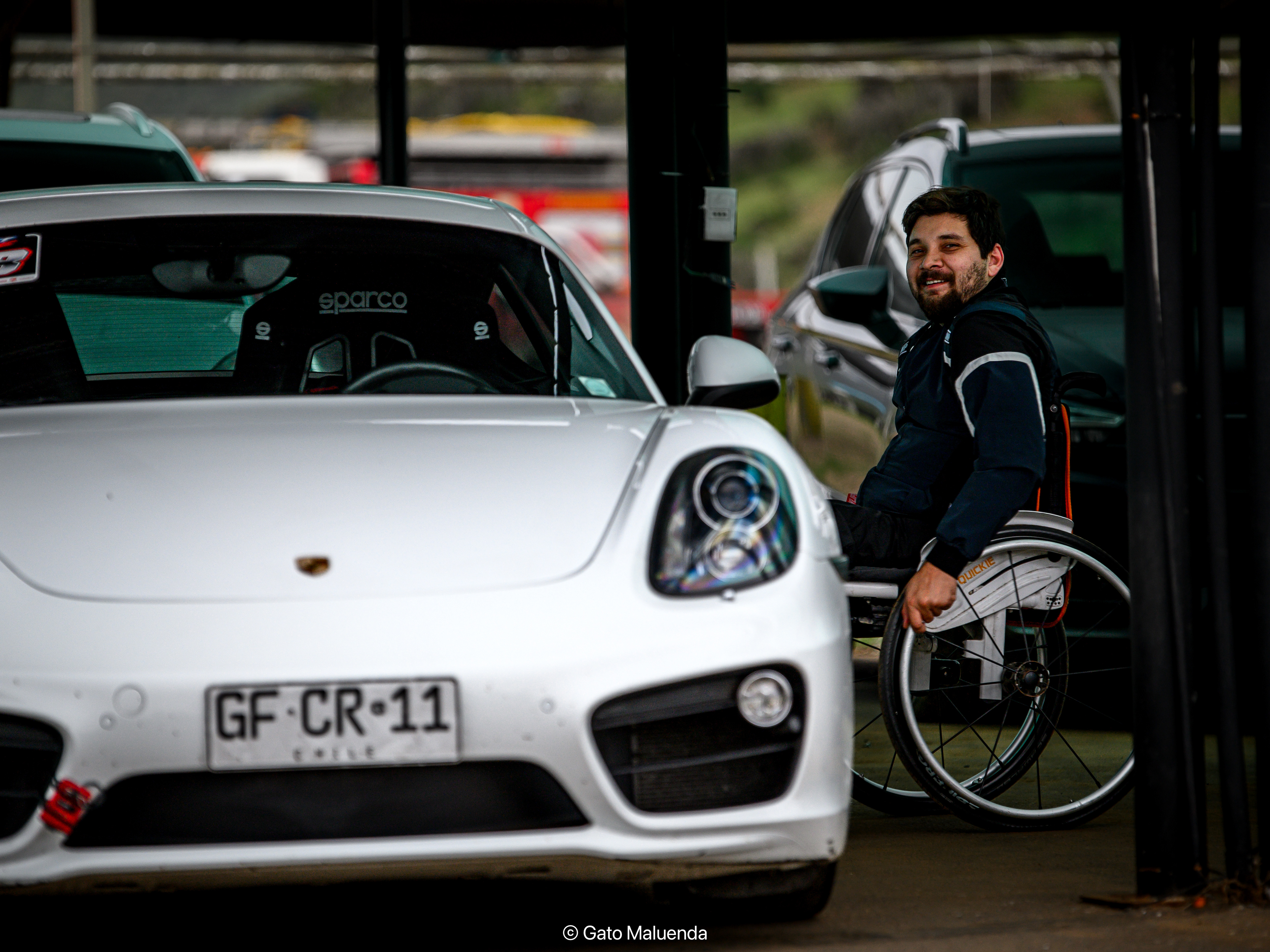
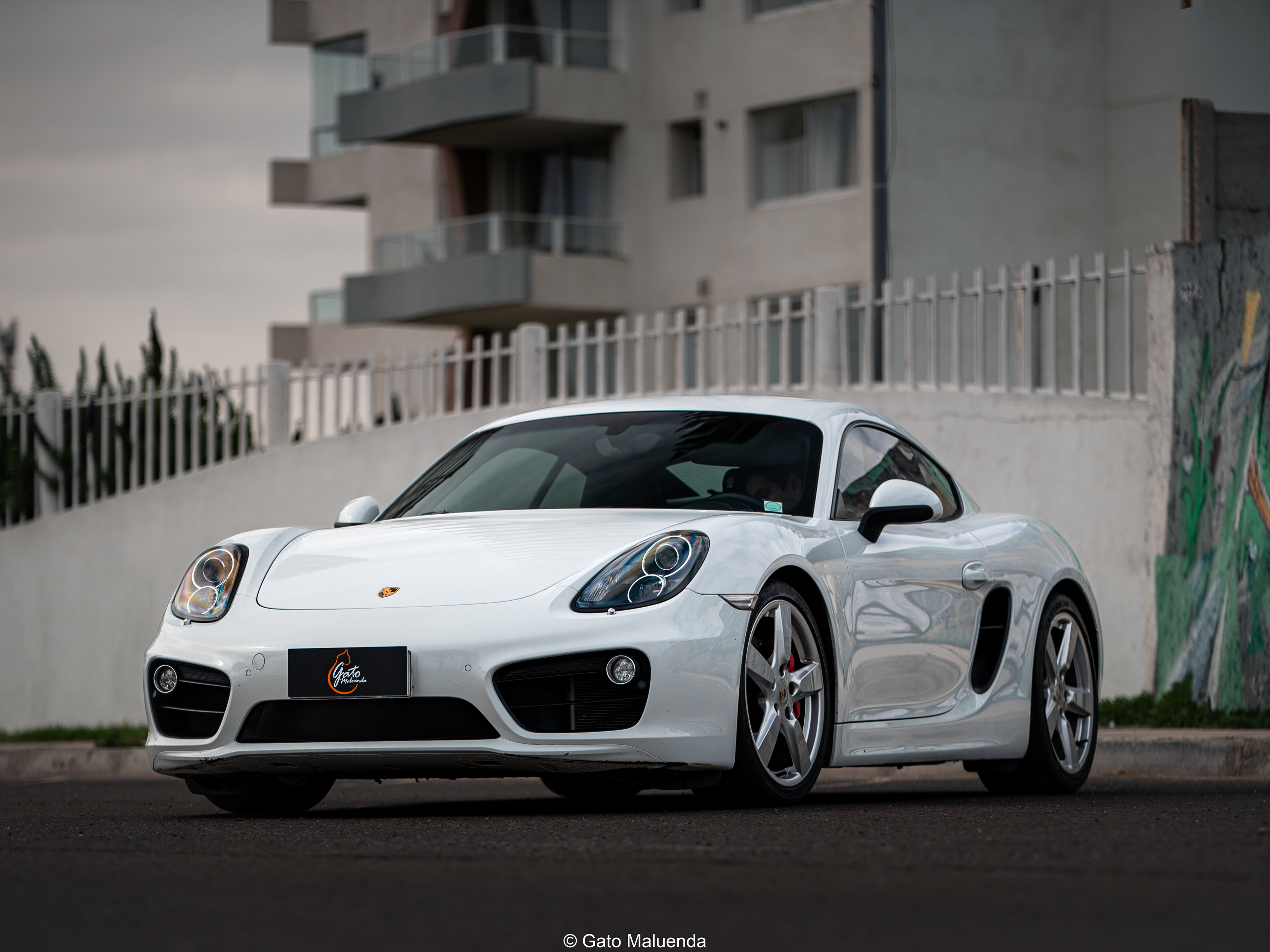
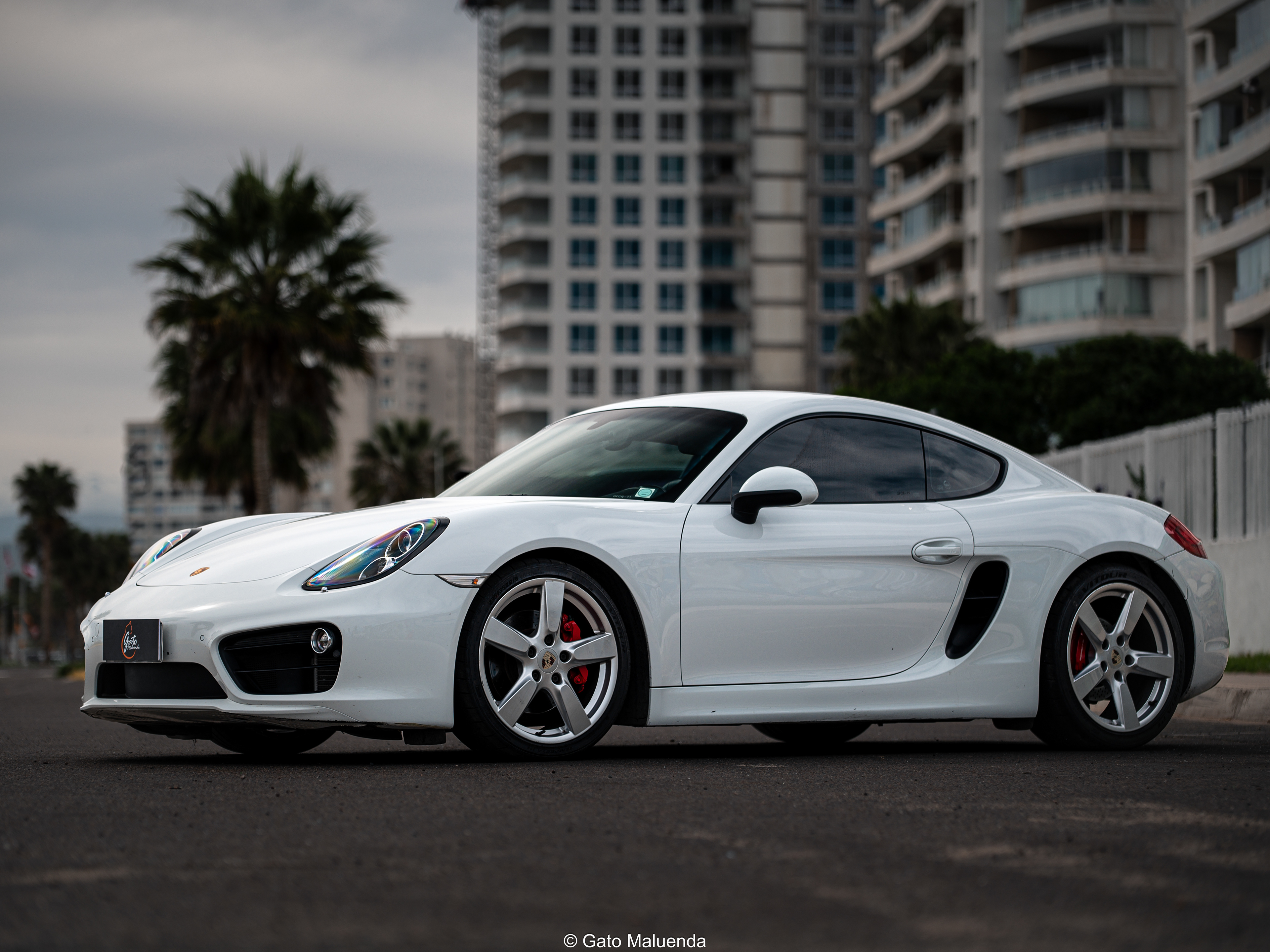
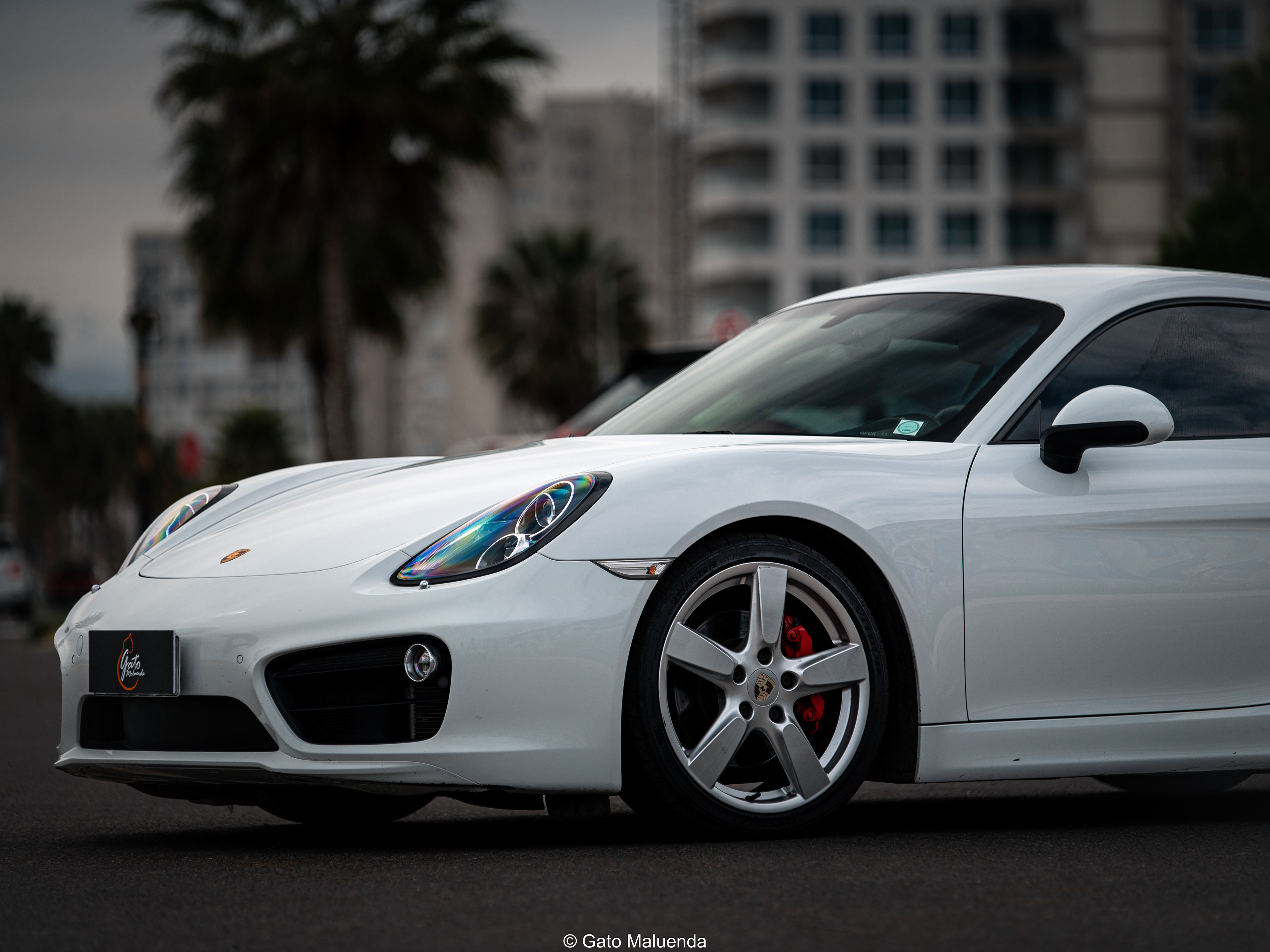
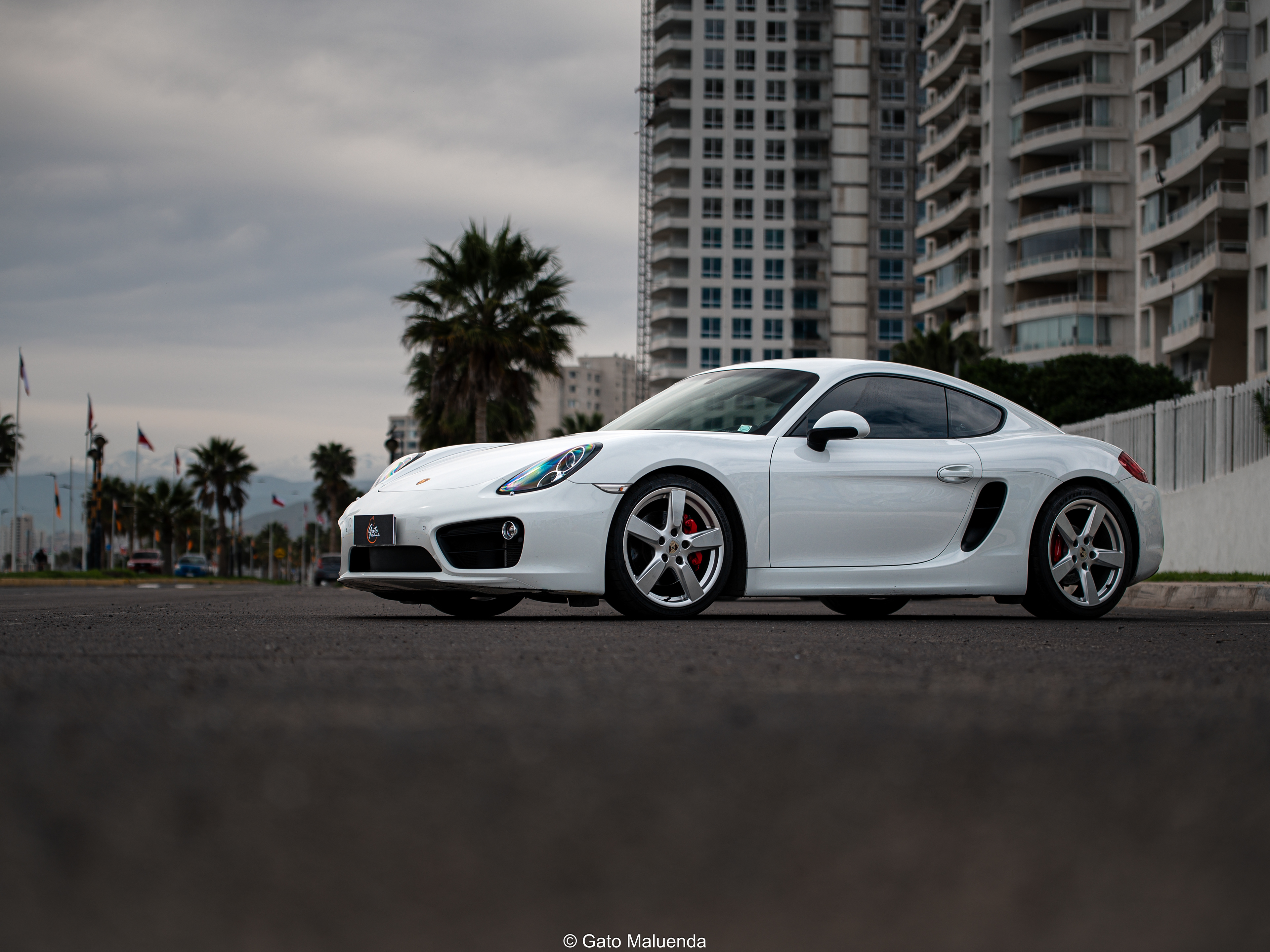
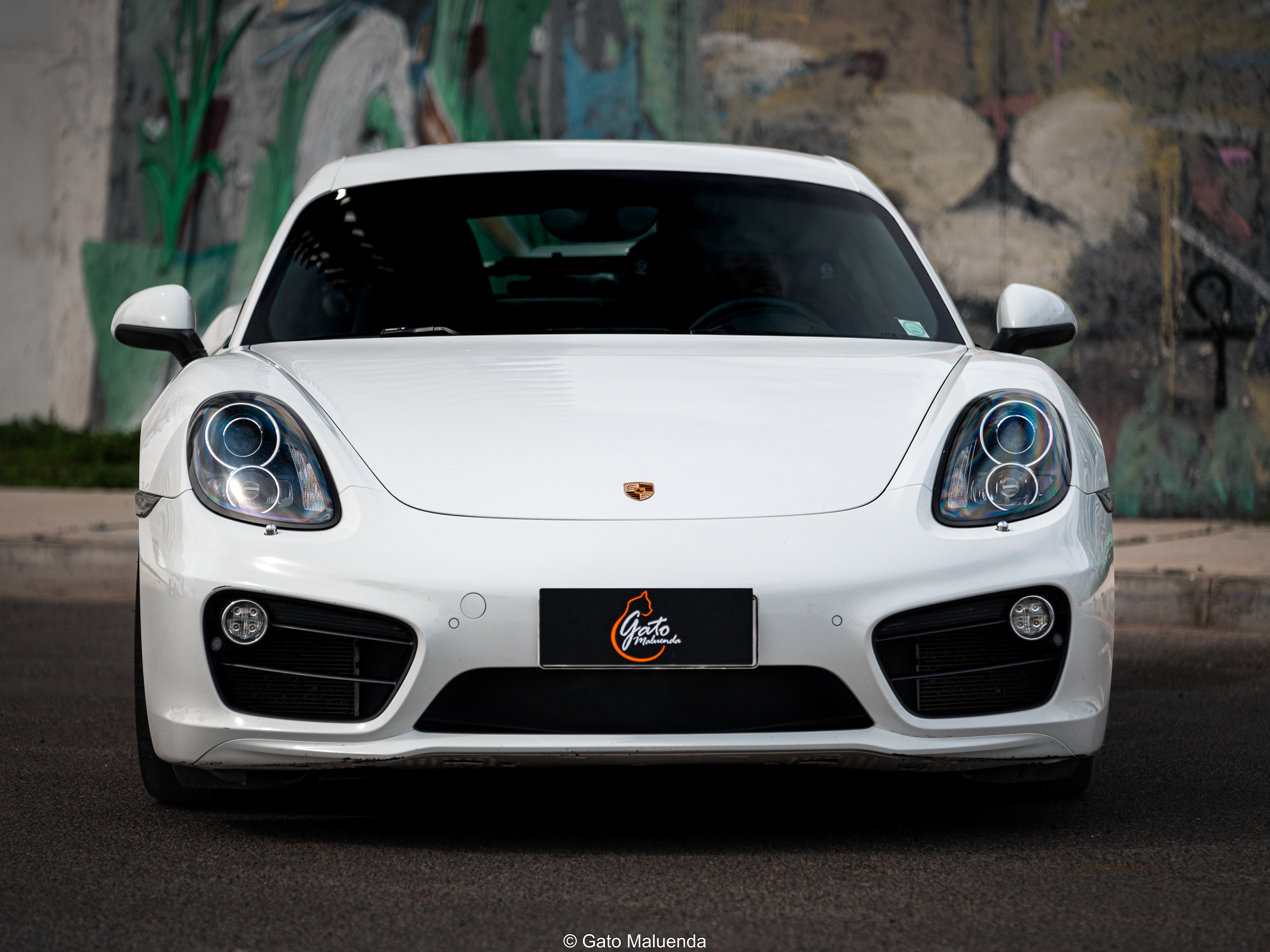
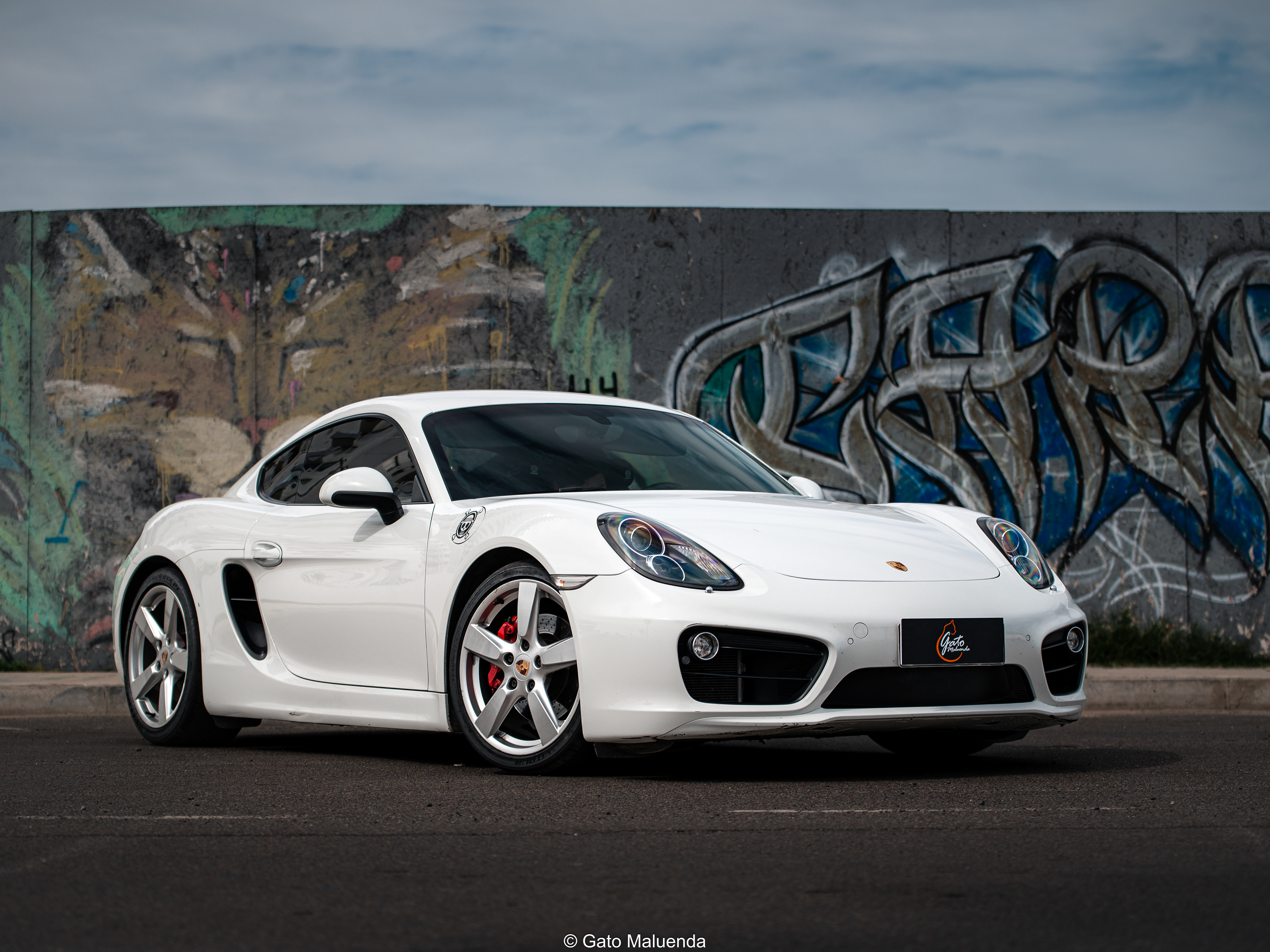
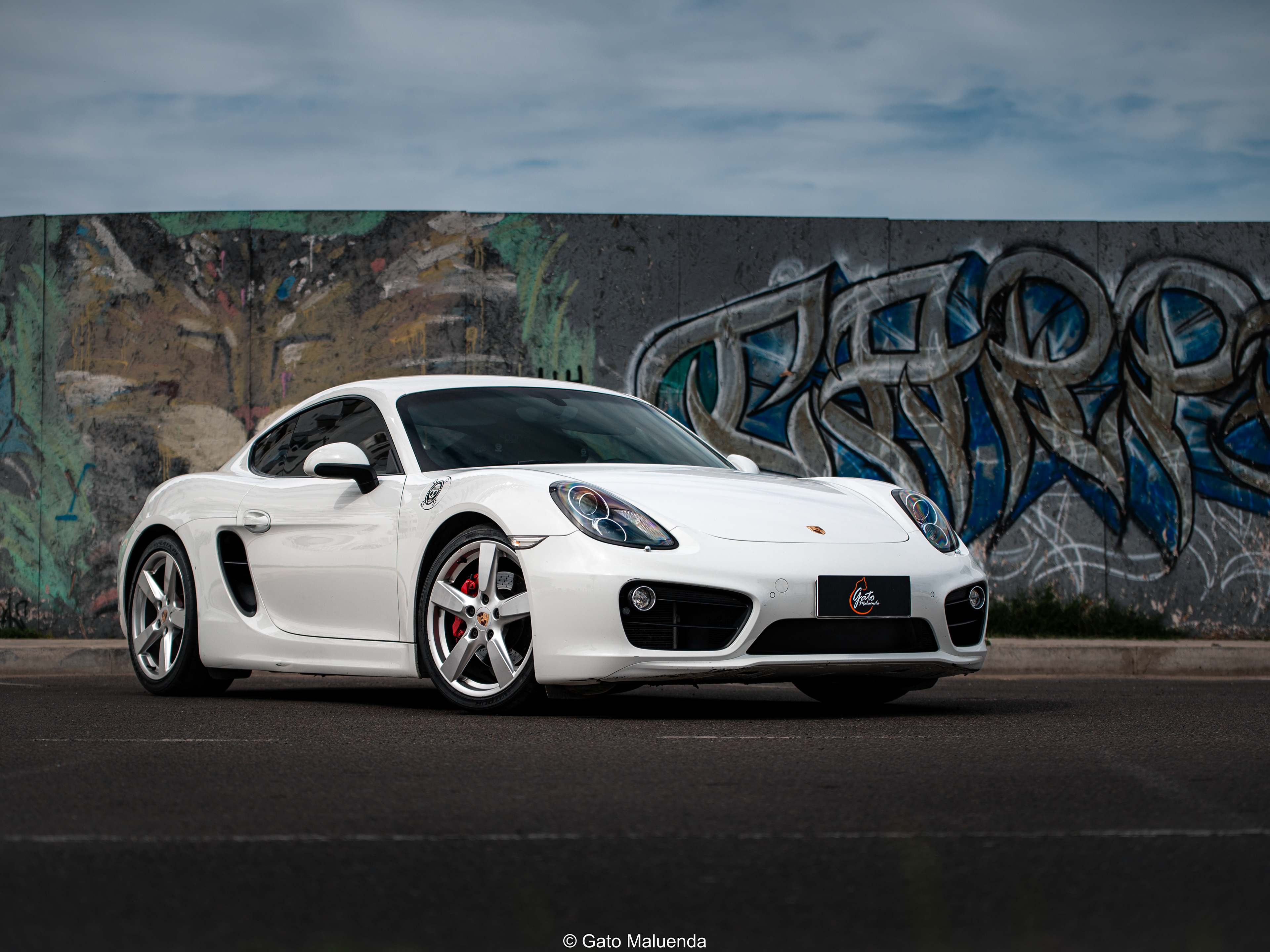
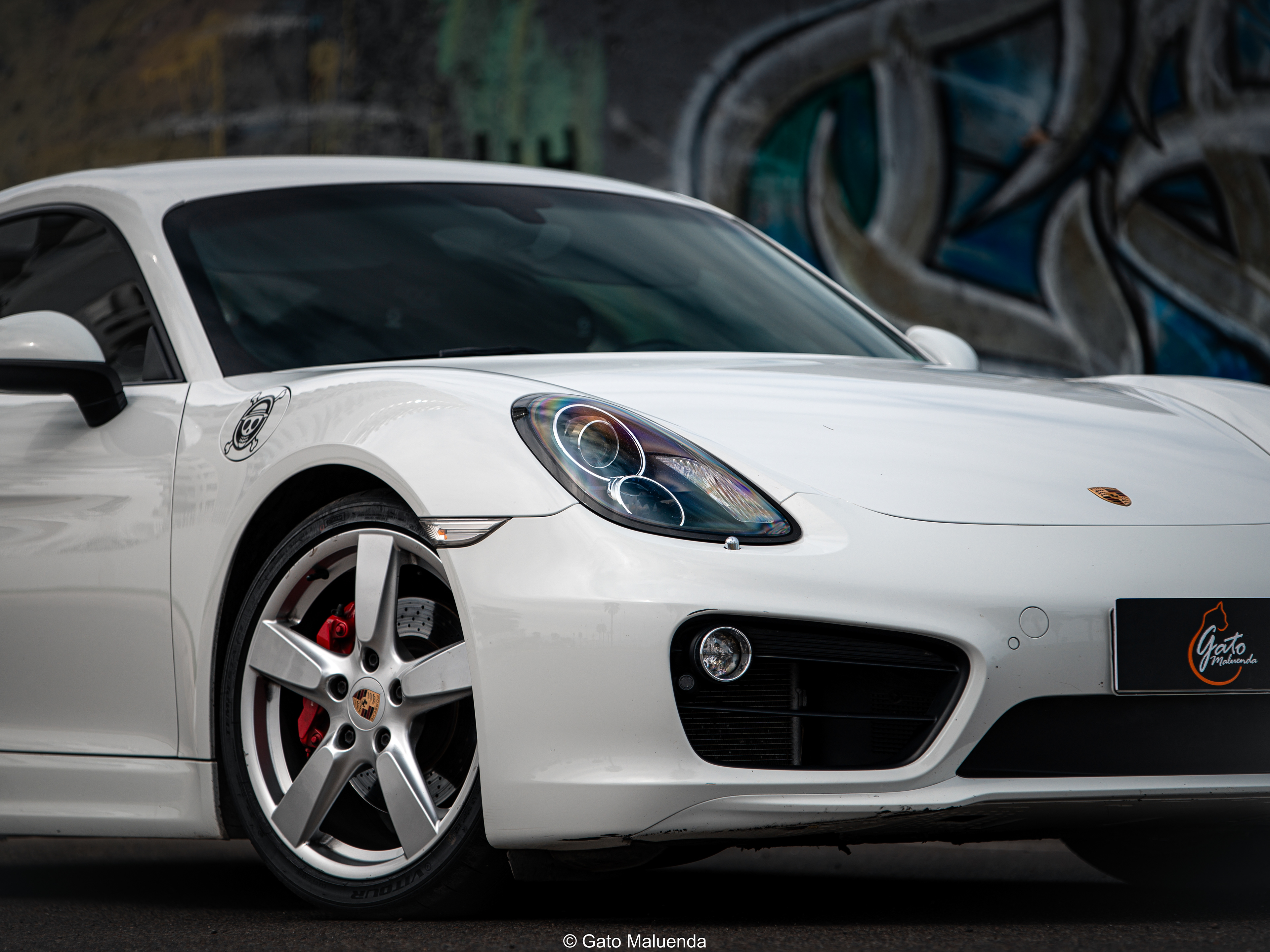
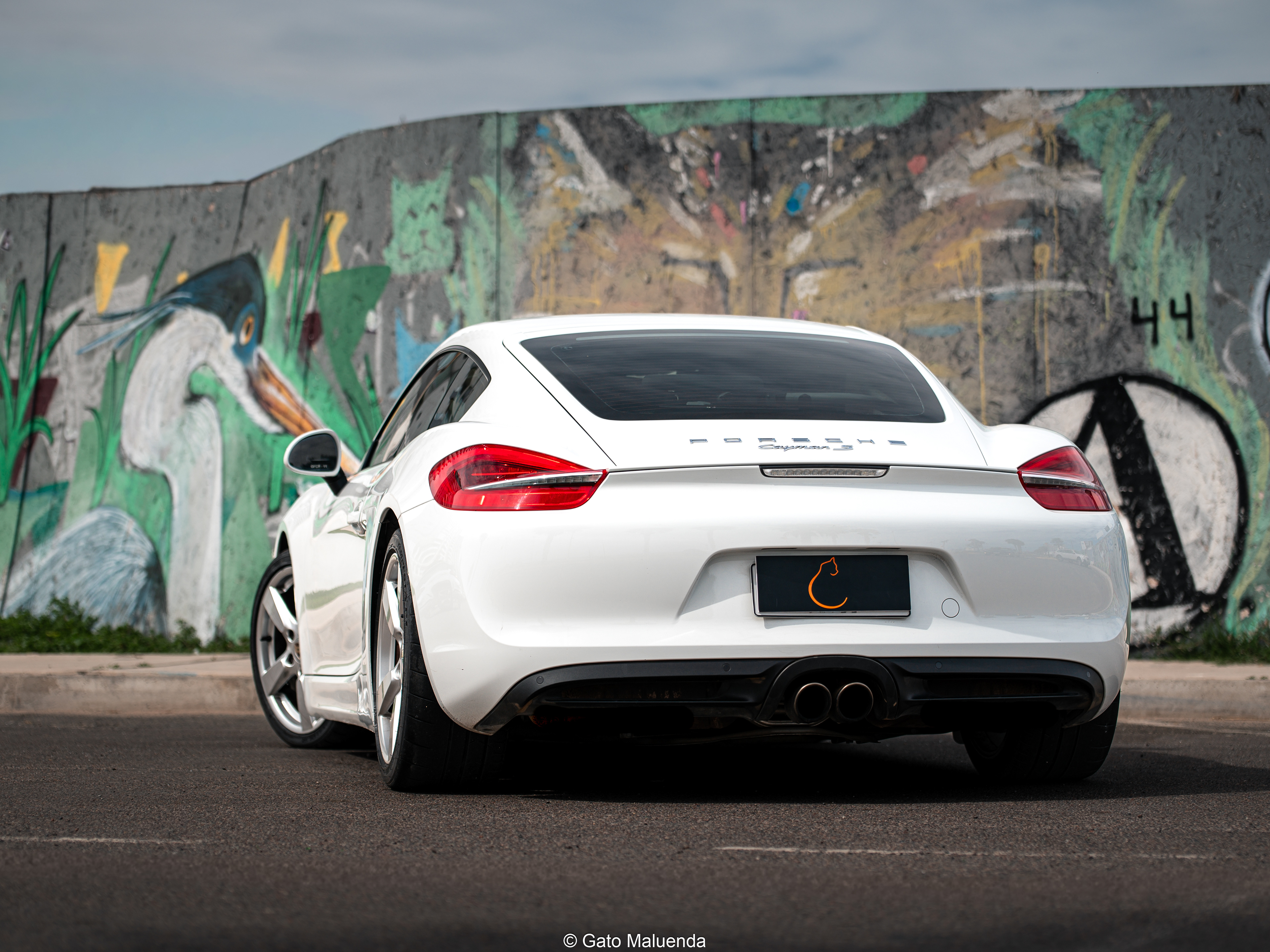
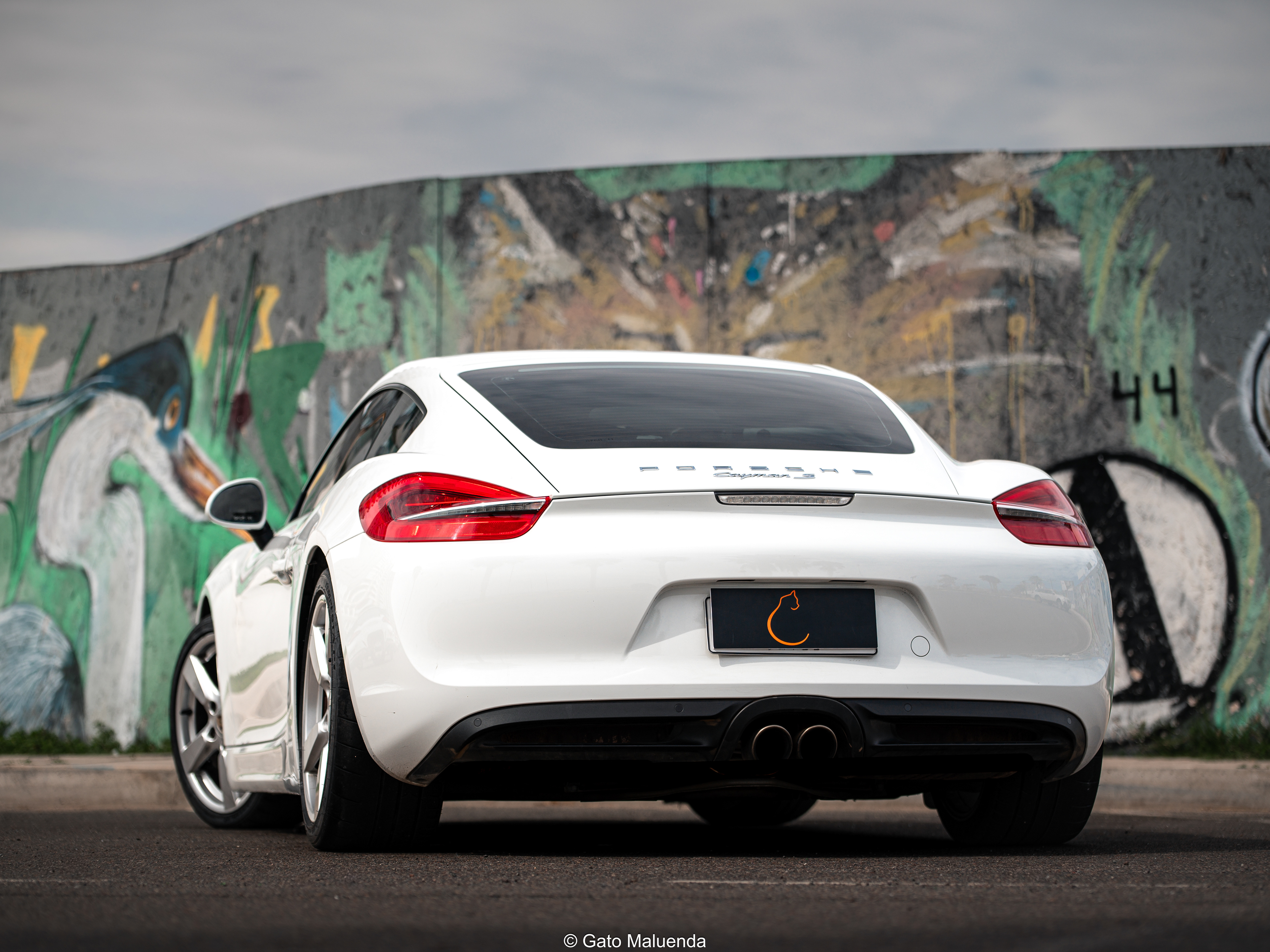
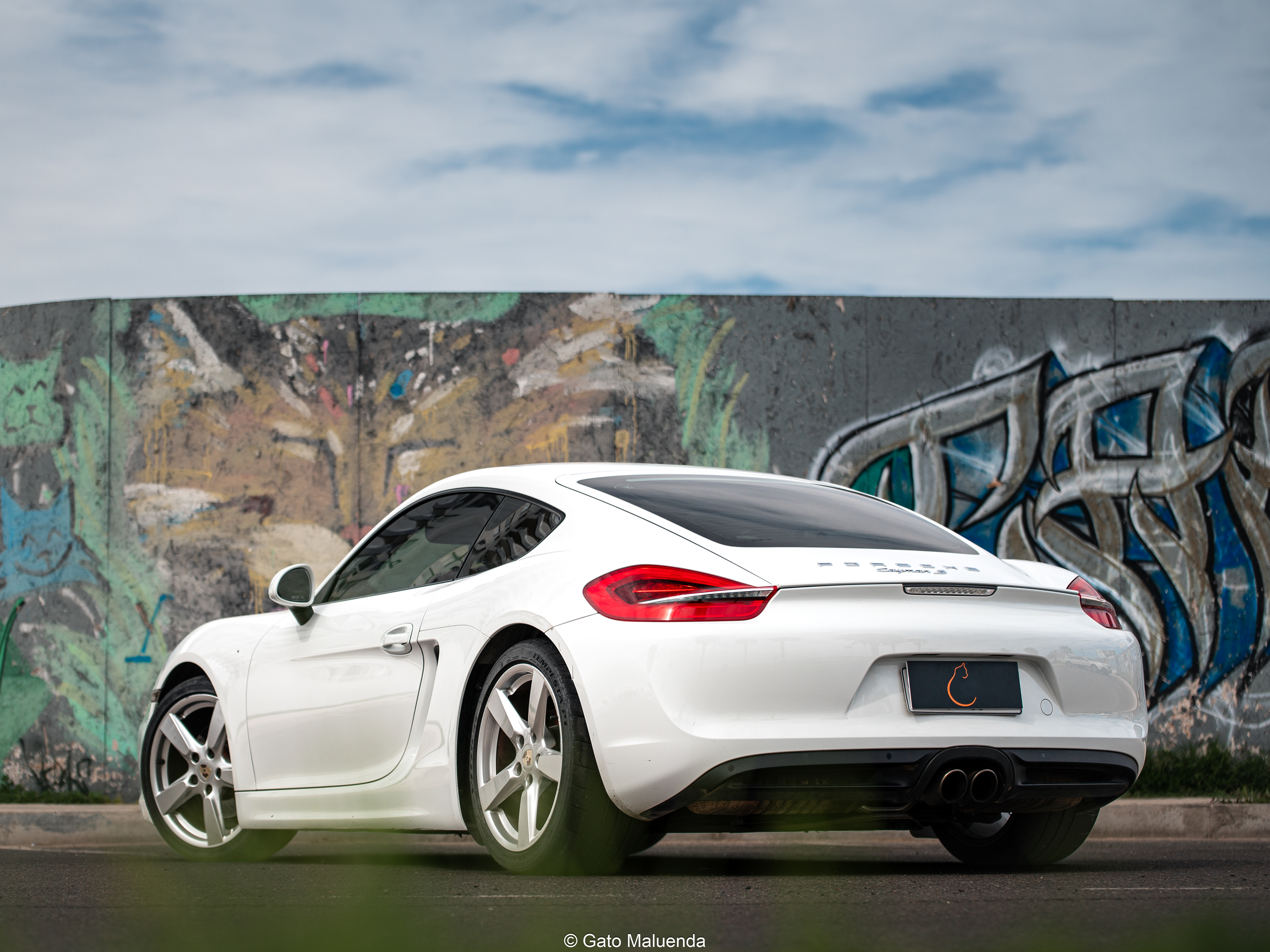
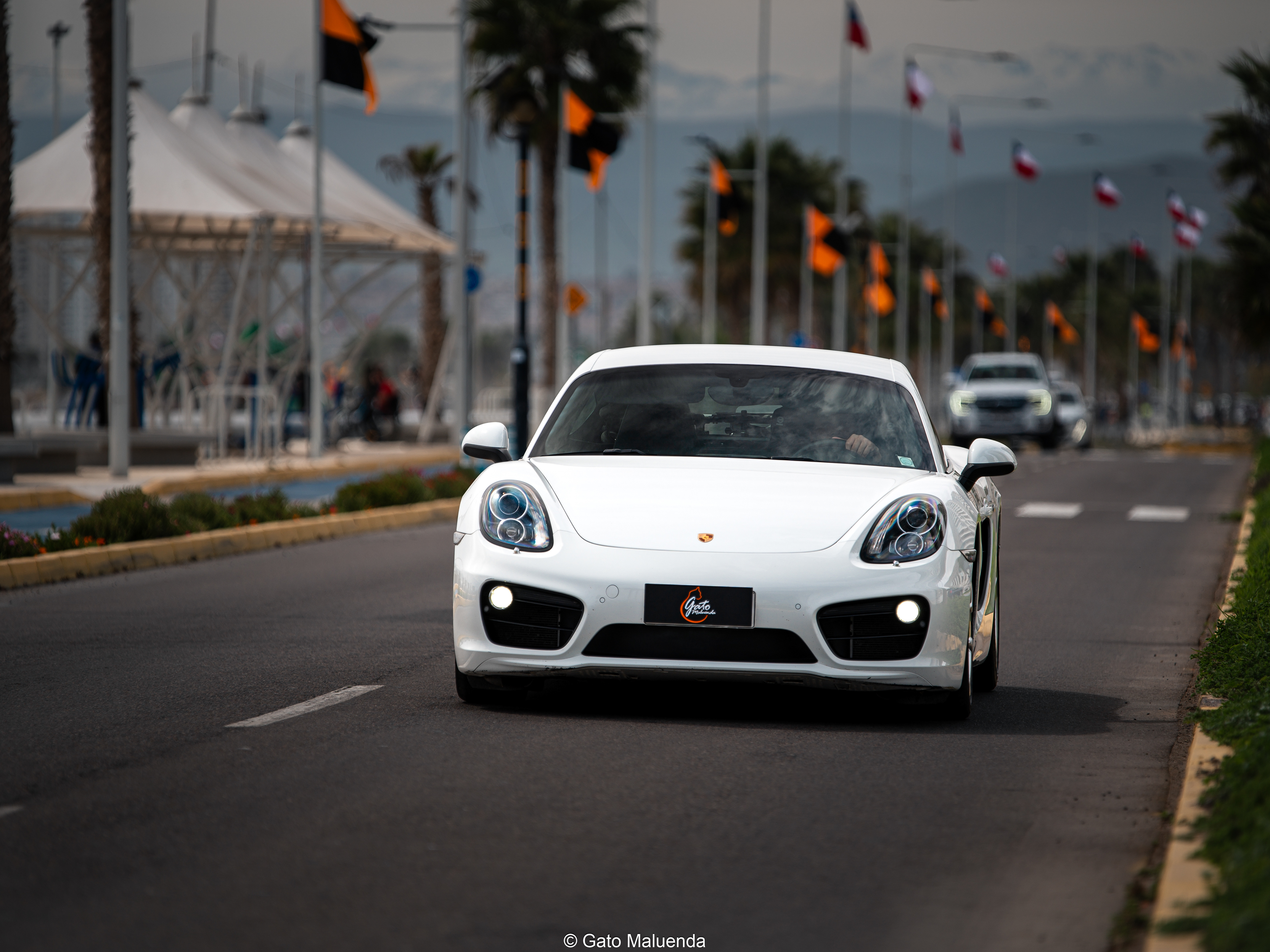
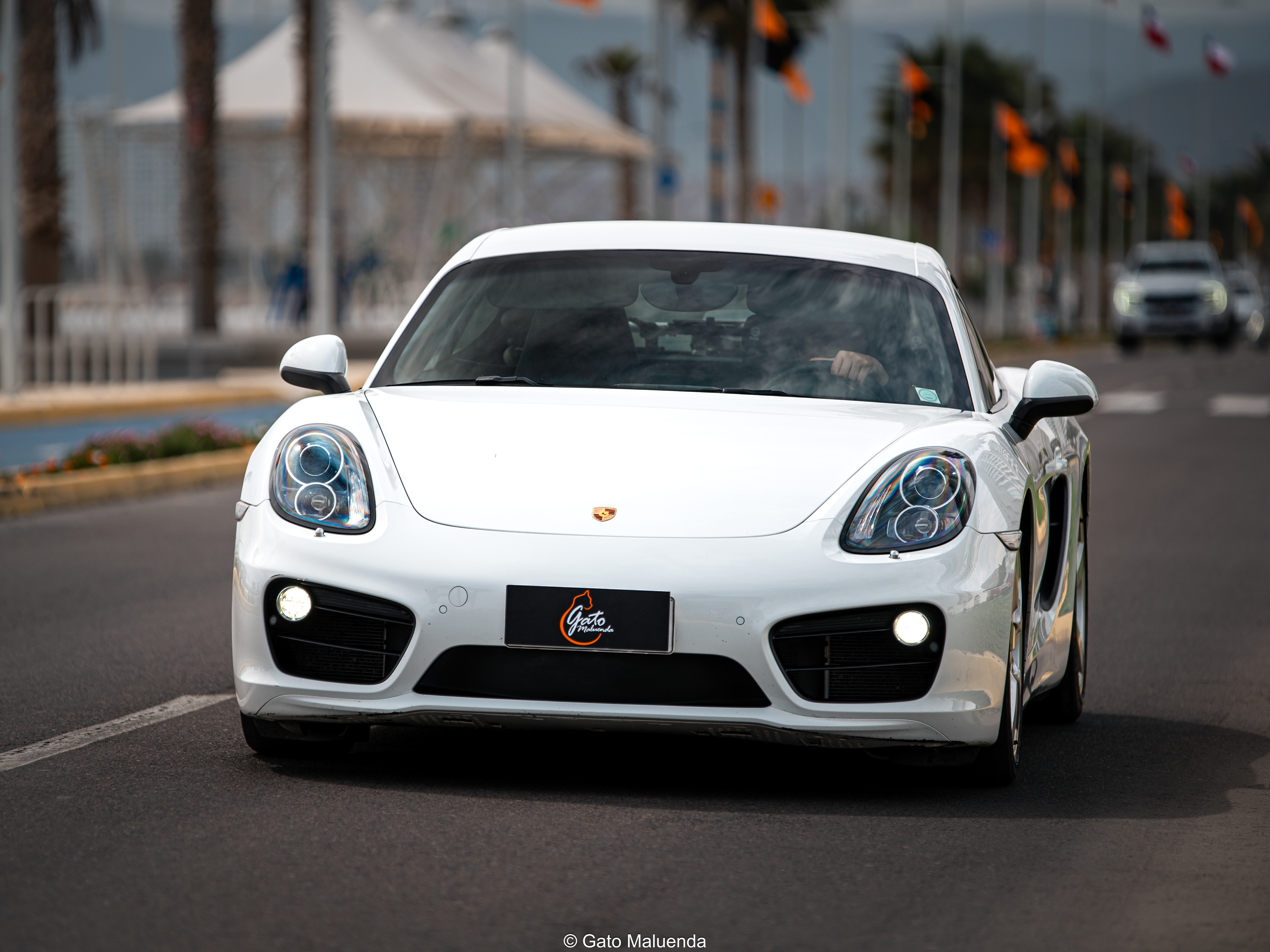
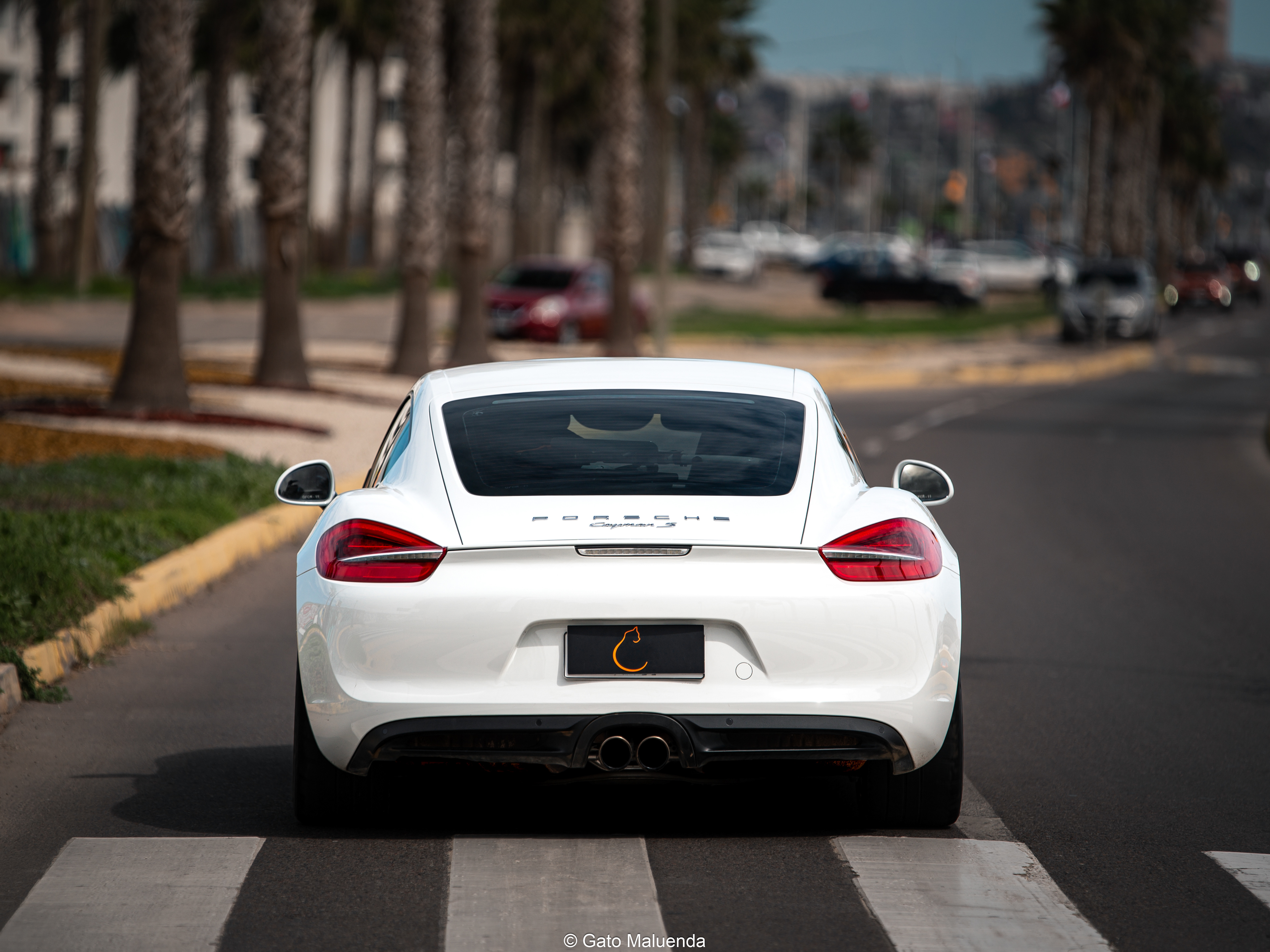
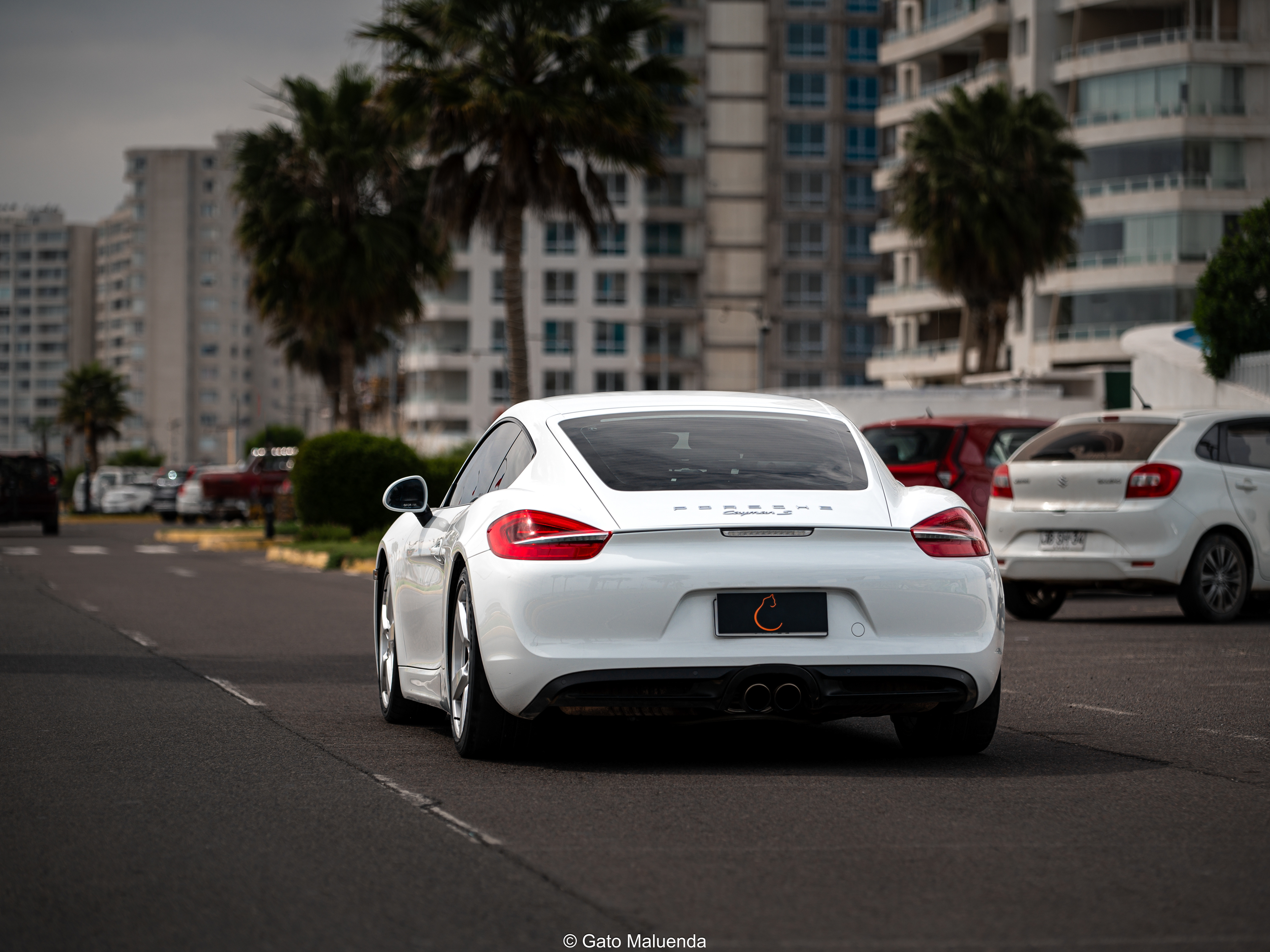
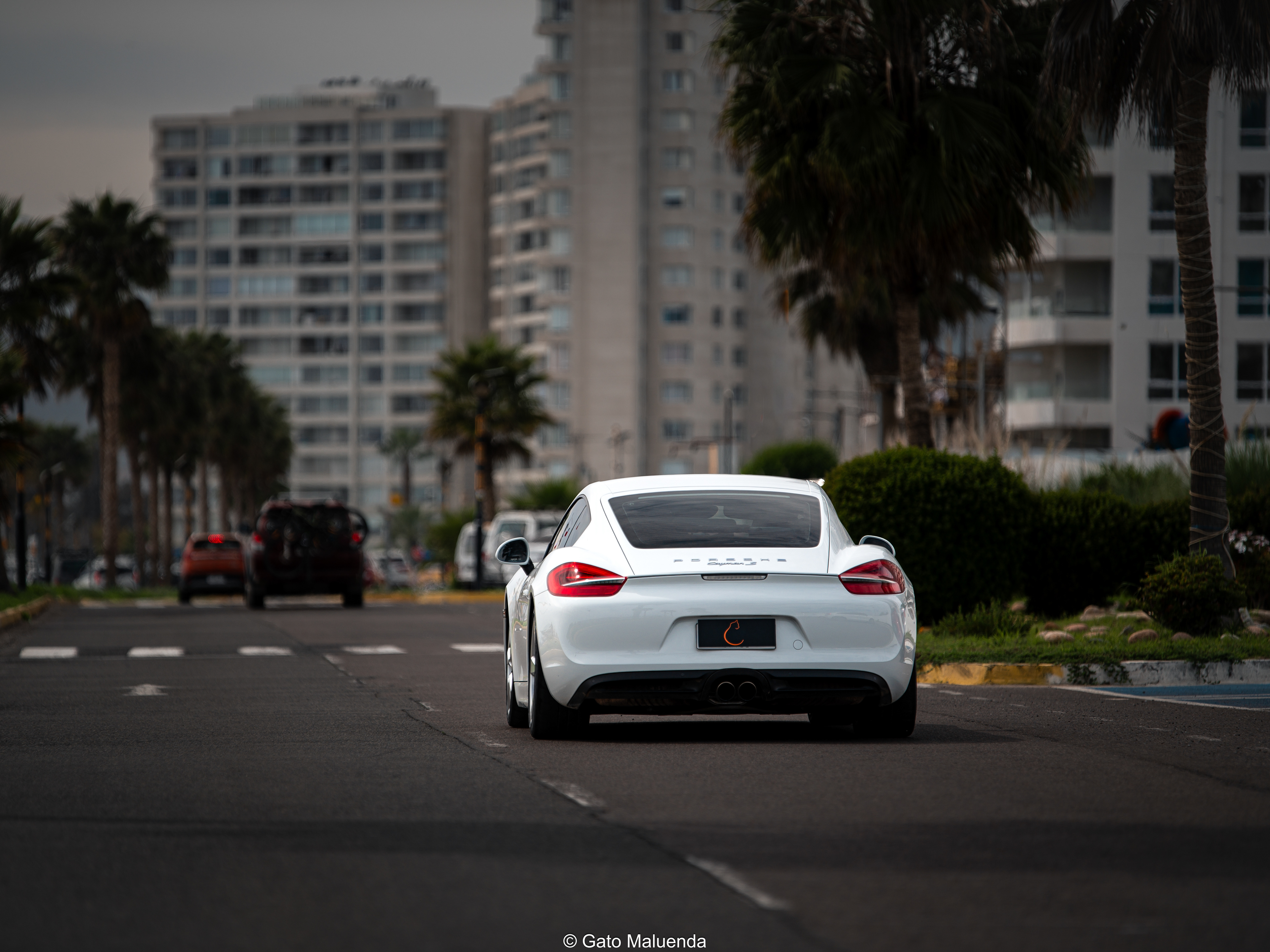
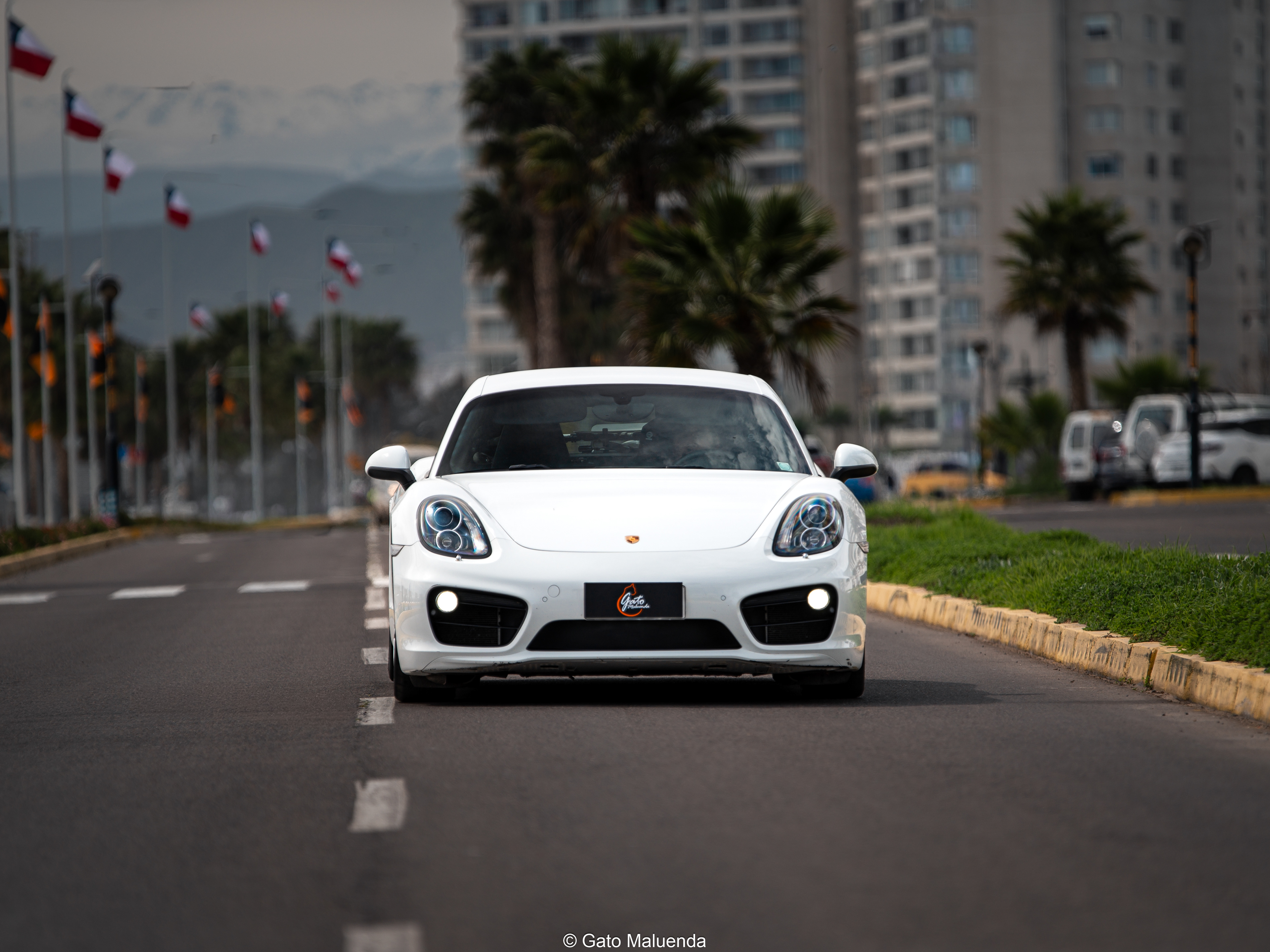
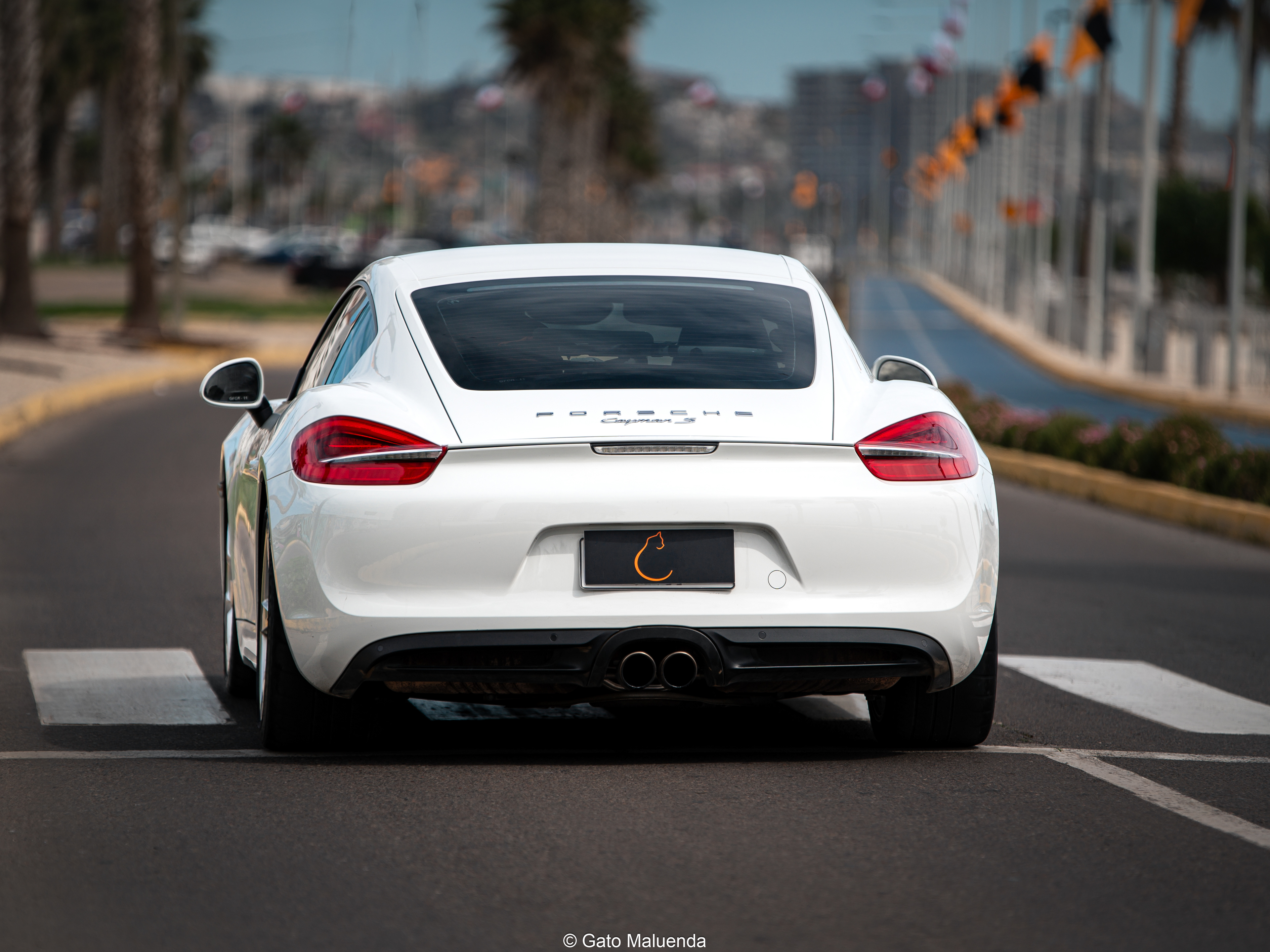
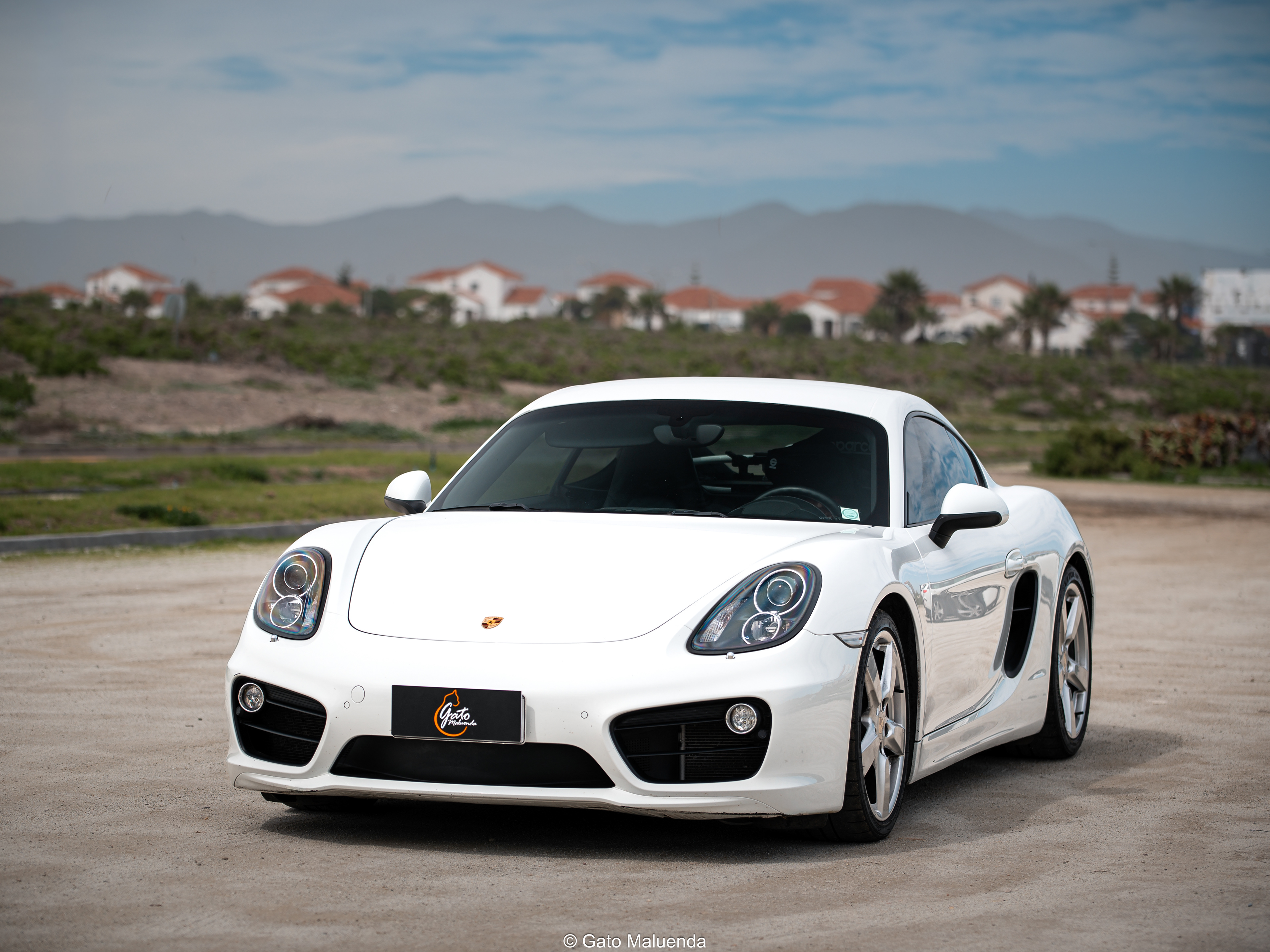
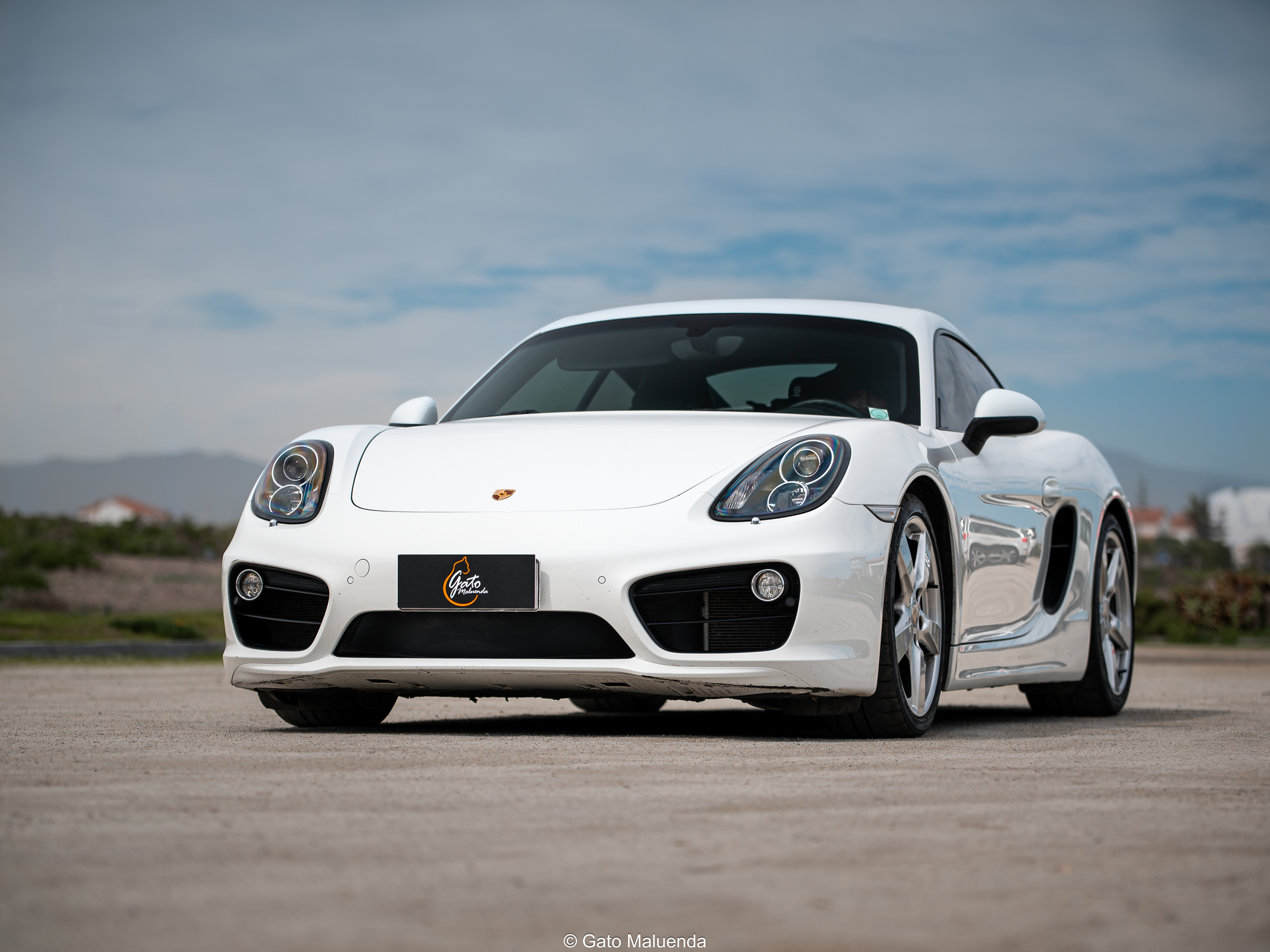
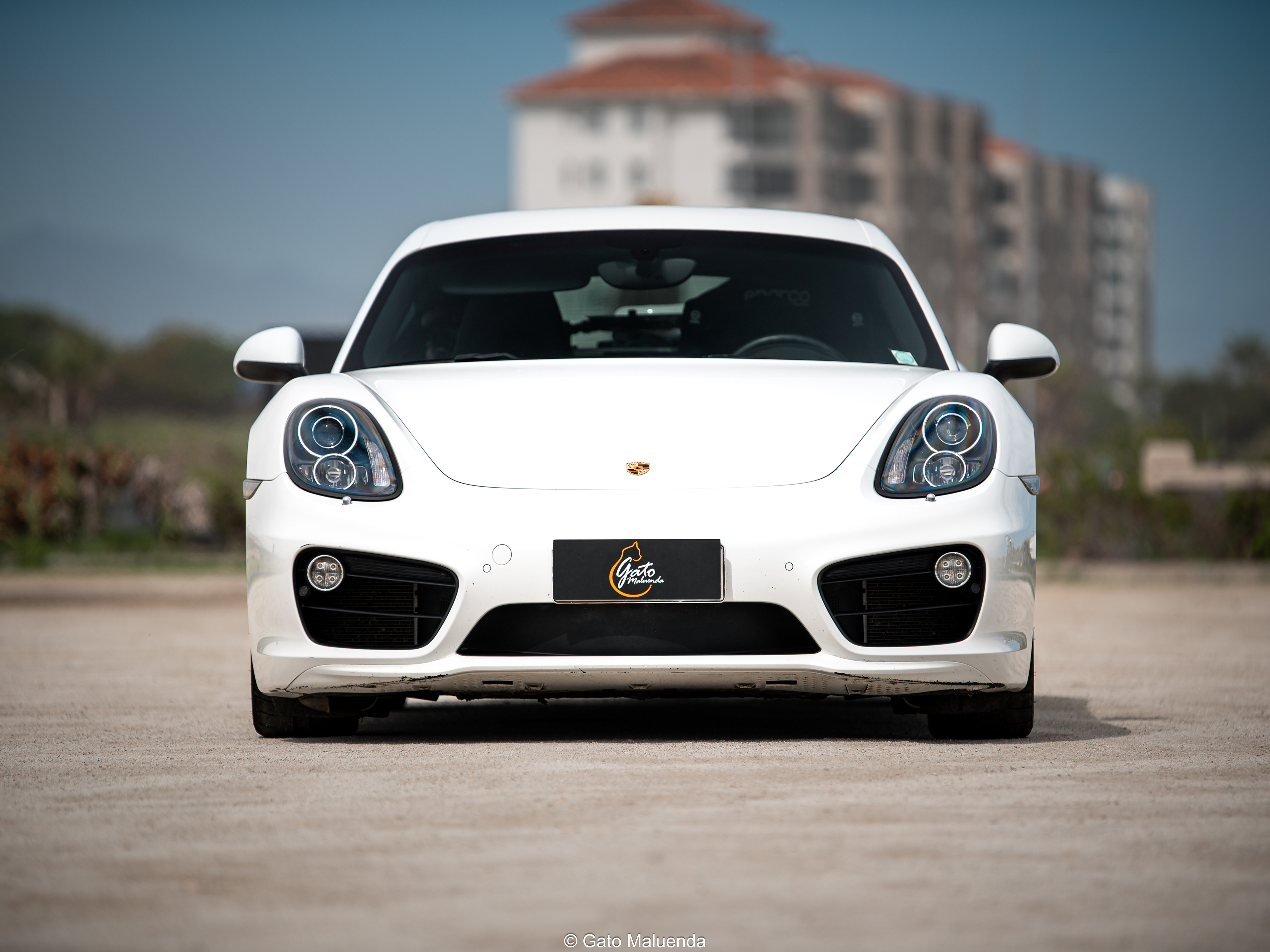
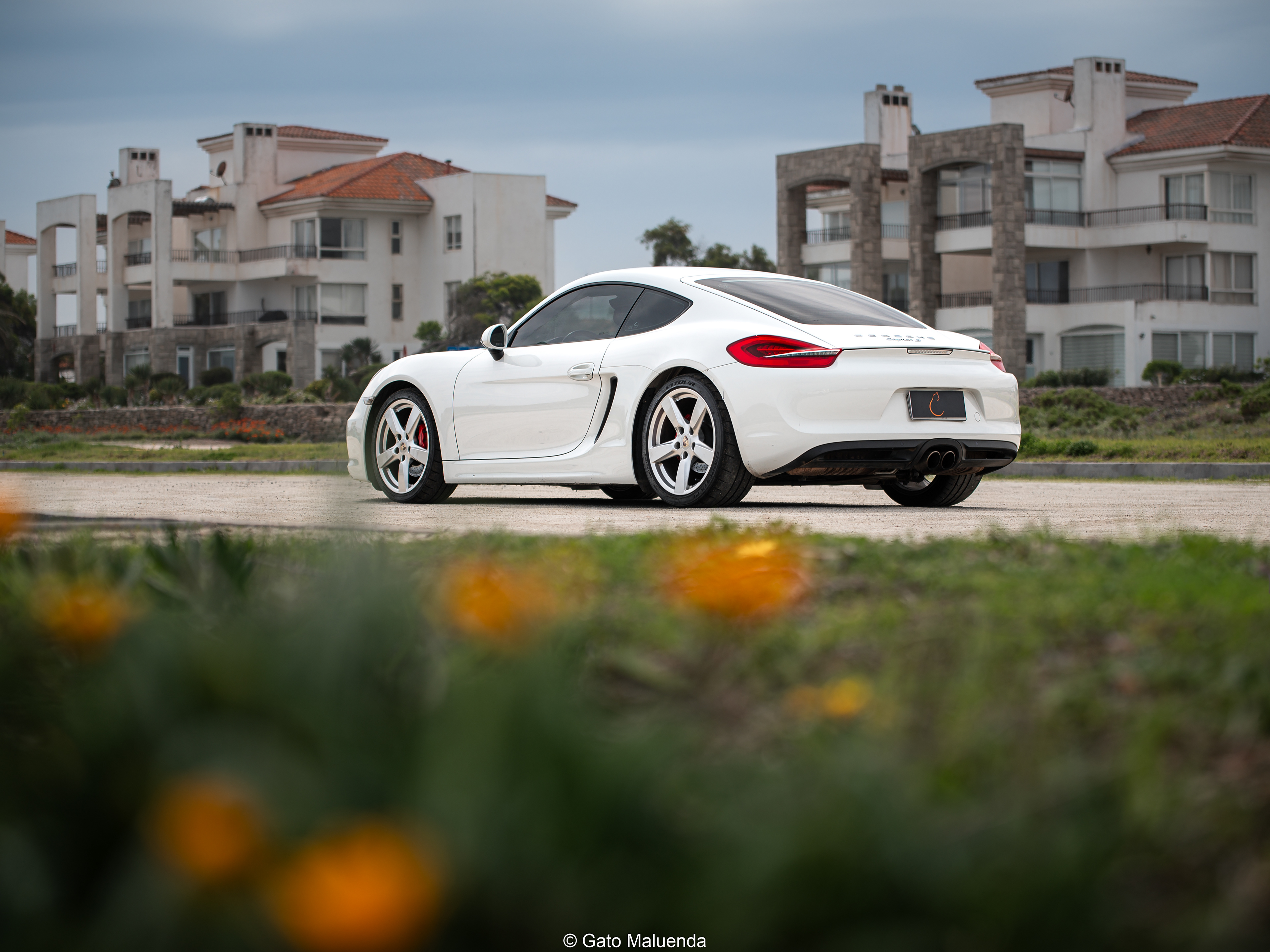
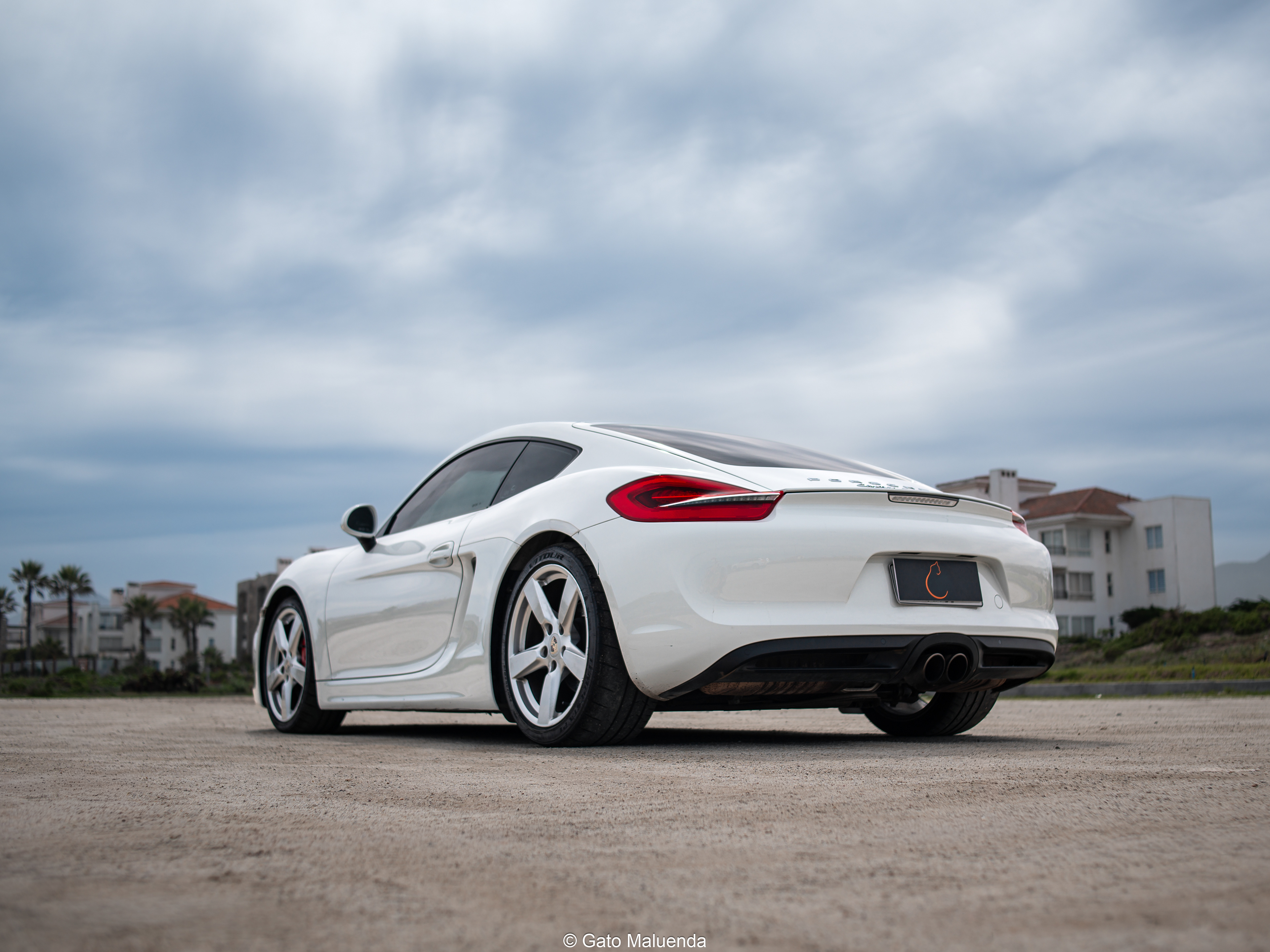
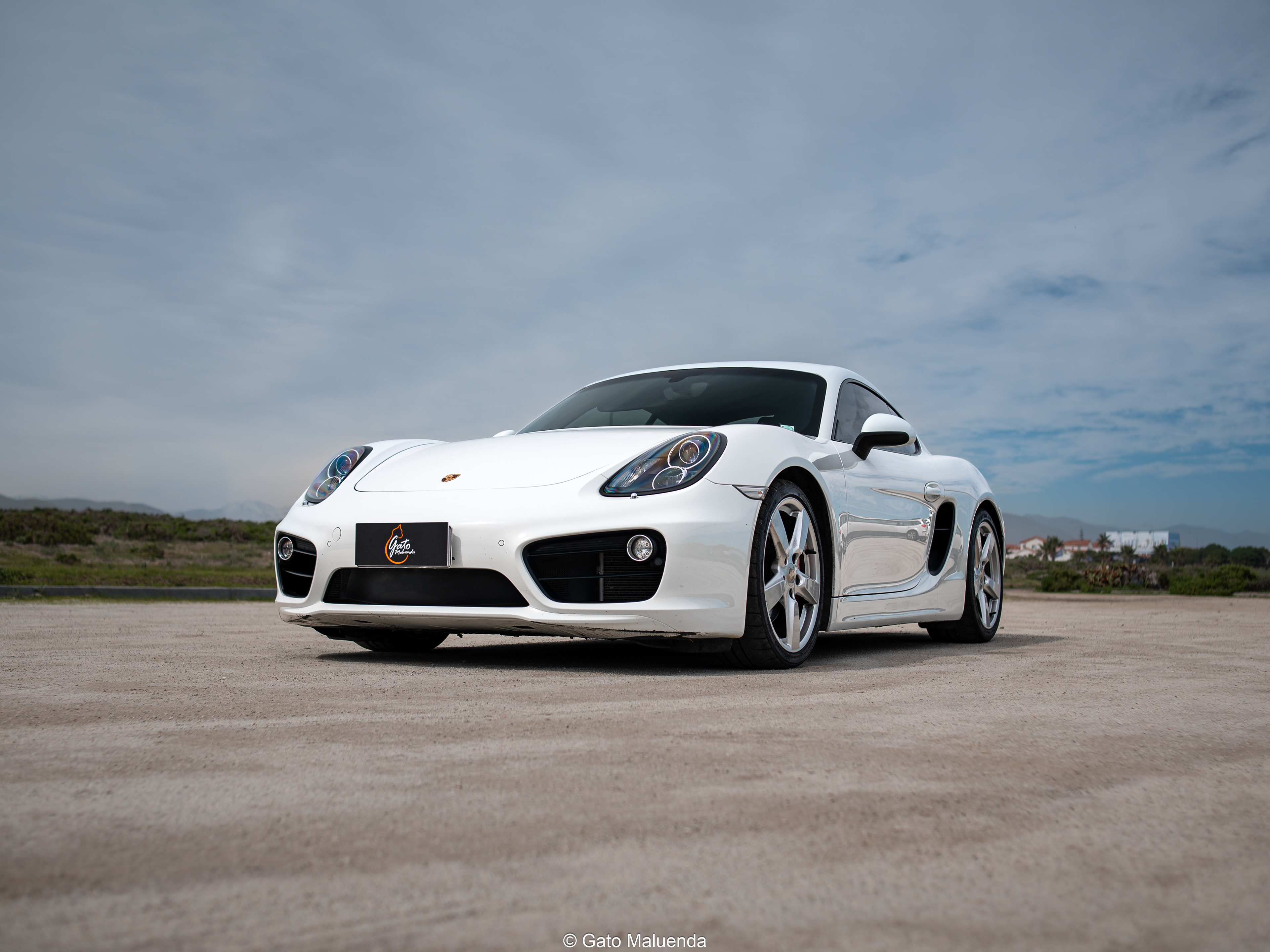
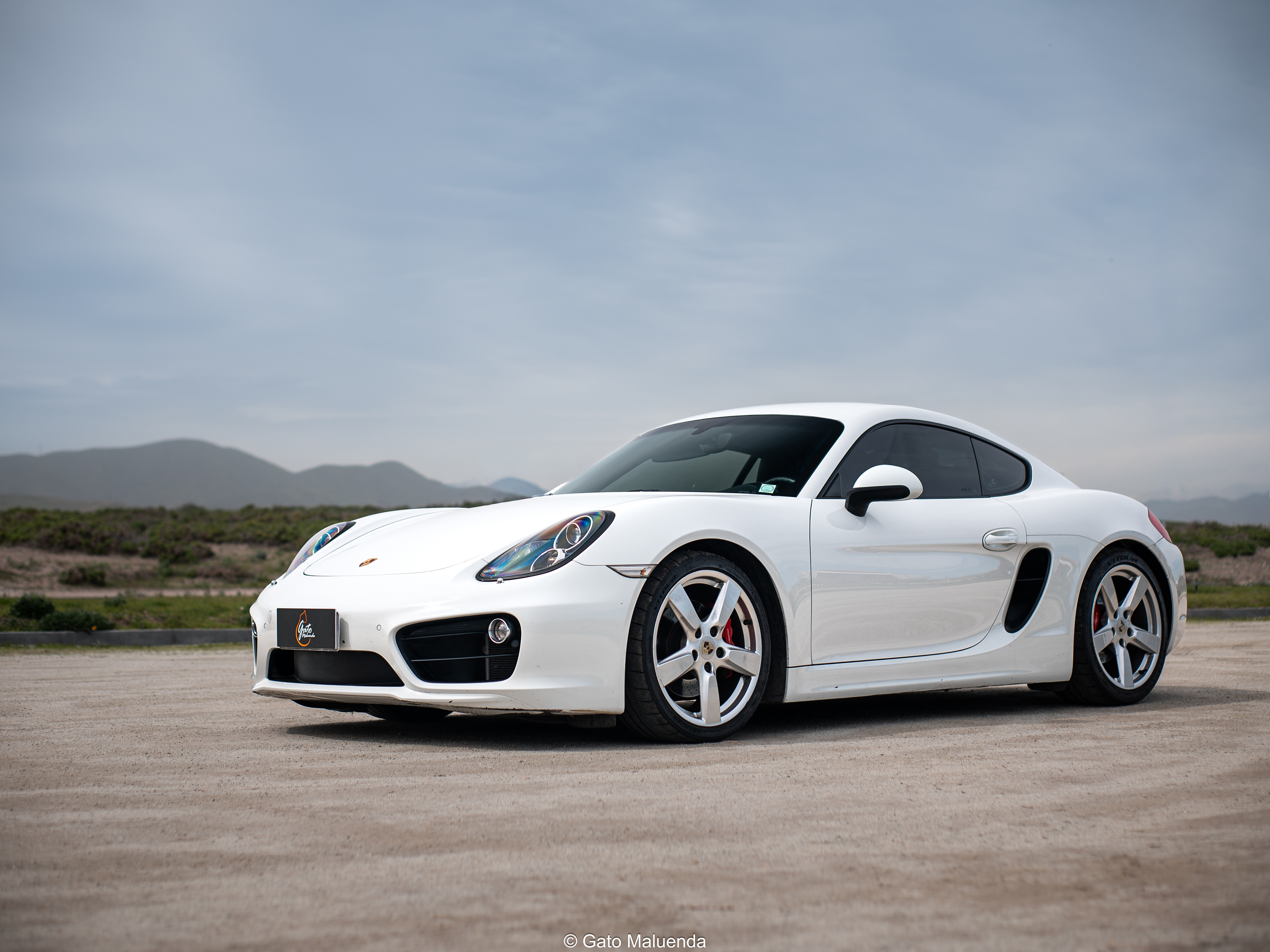
El protagonista de hoy no es solo este hermoso Porsche Cayman blanco. Es también su dueño, Matías Campos,
y la forma en que esa pasión familiar se transformó en algo más: en libertad, en una declaración, en un golpe sobre la mesa.
En una manera de decirle a la vida: «Sigo acá. Aún tengo muchas cosas por hacer».
y la forma en que esa pasión familiar se transformó en algo más: en libertad, en una declaración, en un golpe sobre la mesa.
En una manera de decirle a la vida: «Sigo acá. Aún tengo muchas cosas por hacer».
Durante dos o tres semanas, Matías aceleró y frenó su Porsche Cayman S con un palo de escoba.
No era el plan ni pretendía ser una solución definitiva. El auto estaba en Copiapó y su pareja lo había manejado hasta Coquimbo.
Cuando finalmente llegó, Matías tenía delante el Porsche que llevaba tanto tiempo buscando,
pero todavía no contaba con la adaptación necesaria para manejarlo. Las ganas y la ansiedad pudieron más que la espera.
Cuando finalmente llegó, Matías tenía delante el Porsche que llevaba tanto tiempo buscando,
pero todavía no contaba con la adaptación necesaria para manejarlo. Las ganas y la ansiedad pudieron más que la espera.
Su pareja fabricó una pequeña base en la punta del palo para apoyarlo con mayor seguridad sobre los pedales.
Así consiguió accionar el acelerador y el freno con las manos. Era una solución completamente improvisada, pero funcionó.
—Nació simplemente de las ganas que tenía de poder manejar mi auto —recuerda.
Así consiguió accionar el acelerador y el freno con las manos. Era una solución completamente improvisada, pero funcionó.
—Nació simplemente de las ganas que tenía de poder manejar mi auto —recuerda.
La anécdota podría parecer apenas una curiosidad, pero contiene buena parte de esta historia: si la manera convencional no está disponible,
siempre se puede buscar otra. Unas semanas después, el Cayman viajó a Santiago para recibir el sistema definitivo.
El palo de escoba había cumplido su misión.
siempre se puede buscar otra. Unas semanas después, el Cayman viajó a Santiago para recibir el sistema definitivo.
El palo de escoba había cumplido su misión.
Una pasión de familia
Para Matías, los autos nunca fueron un interés descubierto por casualidad. Estuvieron presentes desde su infancia y en ambos lados de su familia.
Su abuelo materno era mecánico y, cuando era joven, también corría. Uno de sus tíos siguió un camino parecido: se dedicó a la mecánica y compitió durante su juventud. Incluso su mamá tuvo una época en la que participaba en carreras.
Por el lado paterno, la influencia llegó a través de la Fórmula 1. Su papá siempre fue fanático y Matías creció viendo las carreras junto a él, comentándolas y compartiendo esa fascinación por el automovilismo.
Por el lado paterno, la influencia llegó a través de la Fórmula 1. Su papá siempre fue fanático y Matías creció viendo las carreras junto a él, comentándolas y compartiendo esa fascinación por el automovilismo.
Él lo describe como algo casi genético. Los autos eran parte del lenguaje familiar mucho antes de que pudiera entender cómo funcionaban.
También comenzó a manejar muy joven. Su mamá le permitía tomar el volante en caminos de tierra y lugares tranquilos para que aprendiera y se familiarizara con la conducción. Sin embargo, a los 13 años, su vida cambió de dirección.
También comenzó a manejar muy joven. Su mamá le permitía tomar el volante en caminos de tierra y lugares tranquilos para que aprendiera y se familiarizara con la conducción. Sin embargo, a los 13 años, su vida cambió de dirección.
Mientras circulaba en moto por un camino rural de tierra, no vio una señal Pare y un automóvil lo golpeó por el costado.
El accidente le provocó una lesión medular. Pasó cerca de tres meses en una clínica y, más adelante, viajó a Miami,
donde trabajó intensamente durante aproximadamente seis meses en su rehabilitación física.
El accidente le provocó una lesión medular. Pasó cerca de tres meses en una clínica y, más adelante, viajó a Miami,
donde trabajó intensamente durante aproximadamente seis meses en su rehabilitación física.
Después vino una etapa menos fácil de resumir: regresar y aprender a desenvolverse en una realidad distinta.
Manejar, moverse y recuperar esa libertad podían parecer parte del pasado.
Para Matías, en cambio, aquel fue el comienzo de otra etapa, de otro viaje, de otro desafío.
Manejar, moverse y recuperar esa libertad podían parecer parte del pasado.
Para Matías, en cambio, aquel fue el comienzo de otra etapa, de otro viaje, de otro desafío.
El accidente explica una parte importante de su recorrido, pero no define por sí solo quién es. La pasión por los autos continuó ahí.
Durante algunos años quedó en segundo plano, pero nunca desapareció: seguía encendida, esperando su turno.
Durante algunos años quedó en segundo plano, pero nunca desapareció: seguía encendida, esperando su turno.
Volver al volante
Alrededor de los 18 años, su papá y su abuelo paterno le regalaron su primer auto: un Audi A3 2.0 turbodiésel.
Era de tracción delantera y Matías todavía lo recuerda con especial cariño.
Era de tracción delantera y Matías todavía lo recuerda con especial cariño.
Volver a conducir significó mucho más que recuperar una afición. Le dio la posibilidad de moverse por su cuenta, decidir dónde ir y
dejar de depender de otras personas para hacerlo. Manejar se convirtió, desde entonces, en una forma concreta de independencia y libertad.
dejar de depender de otras personas para hacerlo. Manejar se convirtió, desde entonces, en una forma concreta de independencia y libertad.
Después llegó un auto completamente diferente. Y nada razonable. Entre 2011 y 2012 compró un Chevrolet Chevelle Malibu de 1971, equipado con un motor V8 327 de aproximadamente 5,3 litros. Fue una compra emocional, motivada sencillamente por lo mucho que le gustaba.
El Chevelle era grande, pesado y completamente análogo. No tenía control de tracción, diferencial autoblocante ni dirección asistida. Ni siquiera llevaba cinturones de seguridad. Matías lo recuerda como una relación de amor y odio, pero también como el auto que realmente le enseñó a manejar.
Lo conservó hasta 2017, cuando se fue a vivir a Japón durante dos años y medio. Mantenerlo y conducirlo podía ser difícil, pero precisamente por eso cada kilómetro exigía atención, sensibilidad y respeto. Nada ocurría detrás de una capa de asistencia electrónica.
El Chevelle era grande, pesado y completamente análogo. No tenía control de tracción, diferencial autoblocante ni dirección asistida. Ni siquiera llevaba cinturones de seguridad. Matías lo recuerda como una relación de amor y odio, pero también como el auto que realmente le enseñó a manejar.
Lo conservó hasta 2017, cuando se fue a vivir a Japón durante dos años y medio. Mantenerlo y conducirlo podía ser difícil, pero precisamente por eso cada kilómetro exigía atención, sensibilidad y respeto. Nada ocurría detrás de una capa de asistencia electrónica.
El sueño pendiente
Años después, Matías comenzó a buscar un auto con una intención muy concreta: quería entrar a un autódromo.
No buscaba solamente velocidad. Quería probar sus capacidades, comprender mejor el comportamiento de un automóvil
y empezar a desarrollarse como piloto. Investigó distintas alternativas y una idea aparecía una y otra vez:
el Cayman era uno de los mejores autos para aprender a conducir en pista. Su configuración de motor central,
el equilibrio del chasis y la forma en que comunica lo que ocurre bajo las ruedas lo convertían en una herramienta especialmente atractiva
para ese propósito. Y, siendo fanático de Porsche, la elección tenía además un componente emocional difícil de ignorar.
No buscaba solamente velocidad. Quería probar sus capacidades, comprender mejor el comportamiento de un automóvil
y empezar a desarrollarse como piloto. Investigó distintas alternativas y una idea aparecía una y otra vez:
el Cayman era uno de los mejores autos para aprender a conducir en pista. Su configuración de motor central,
el equilibrio del chasis y la forma en que comunica lo que ocurre bajo las ruedas lo convertían en una herramienta especialmente atractiva
para ese propósito. Y, siendo fanático de Porsche, la elección tenía además un componente emocional difícil de ignorar.
El auto
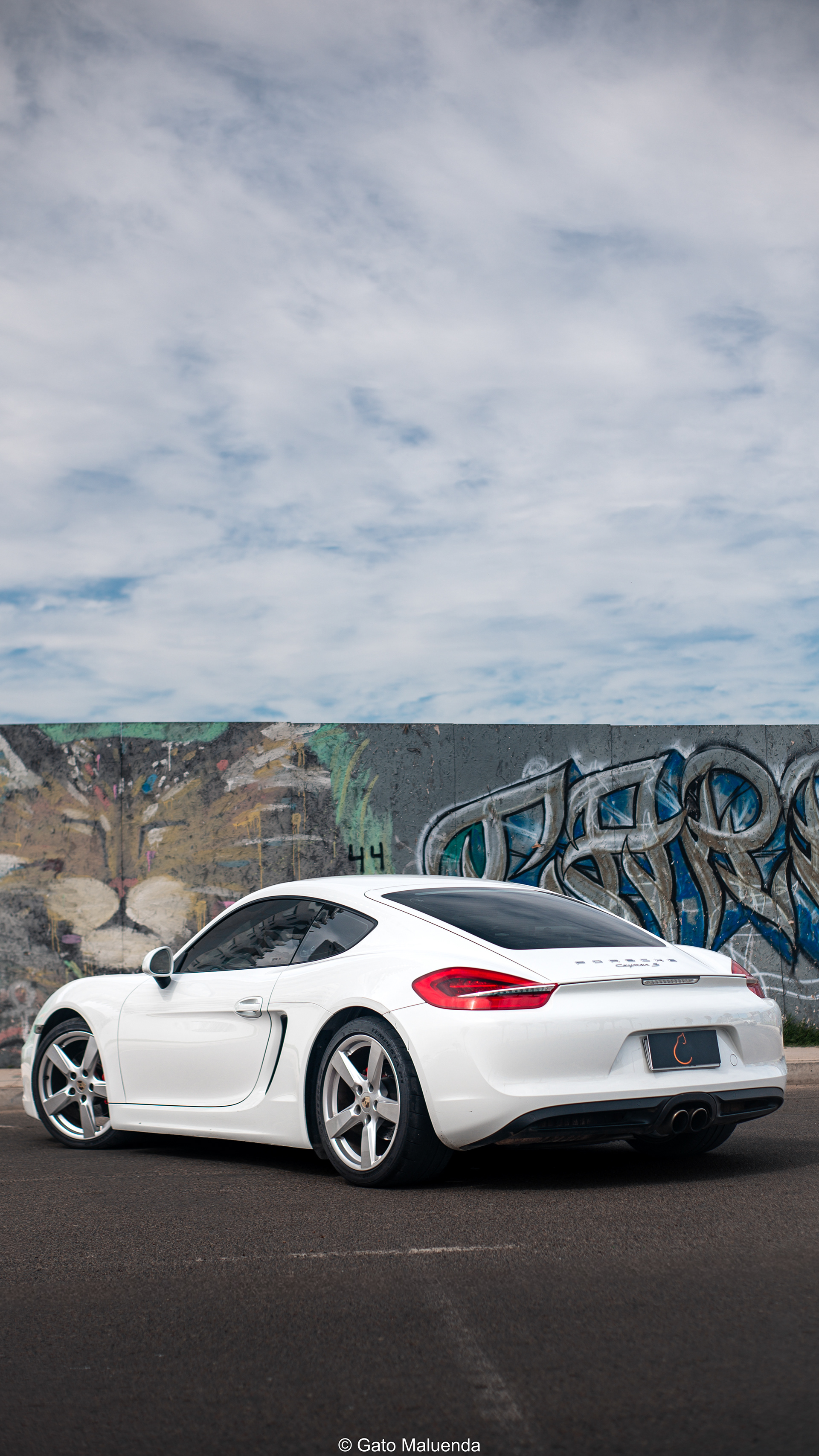
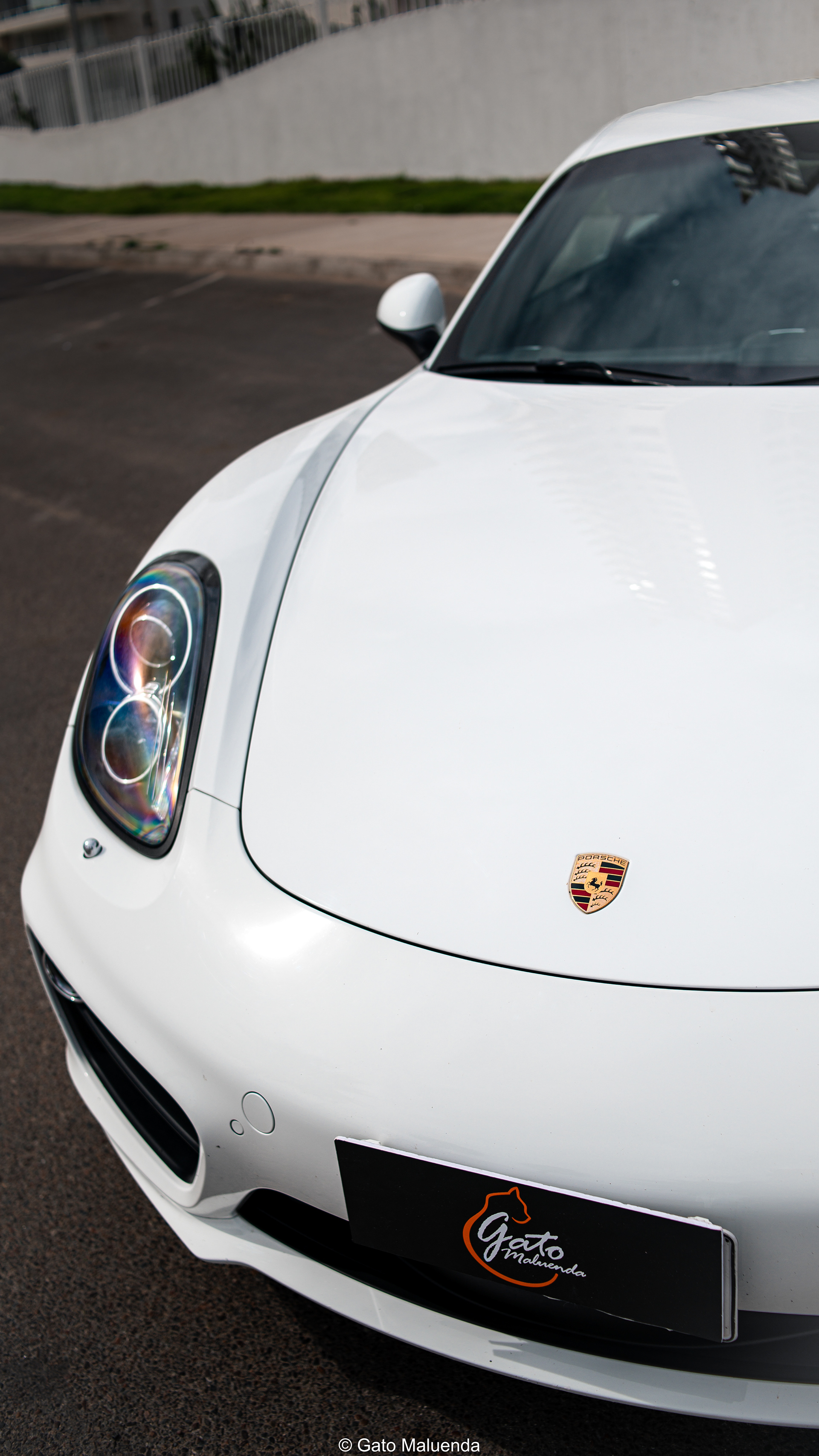
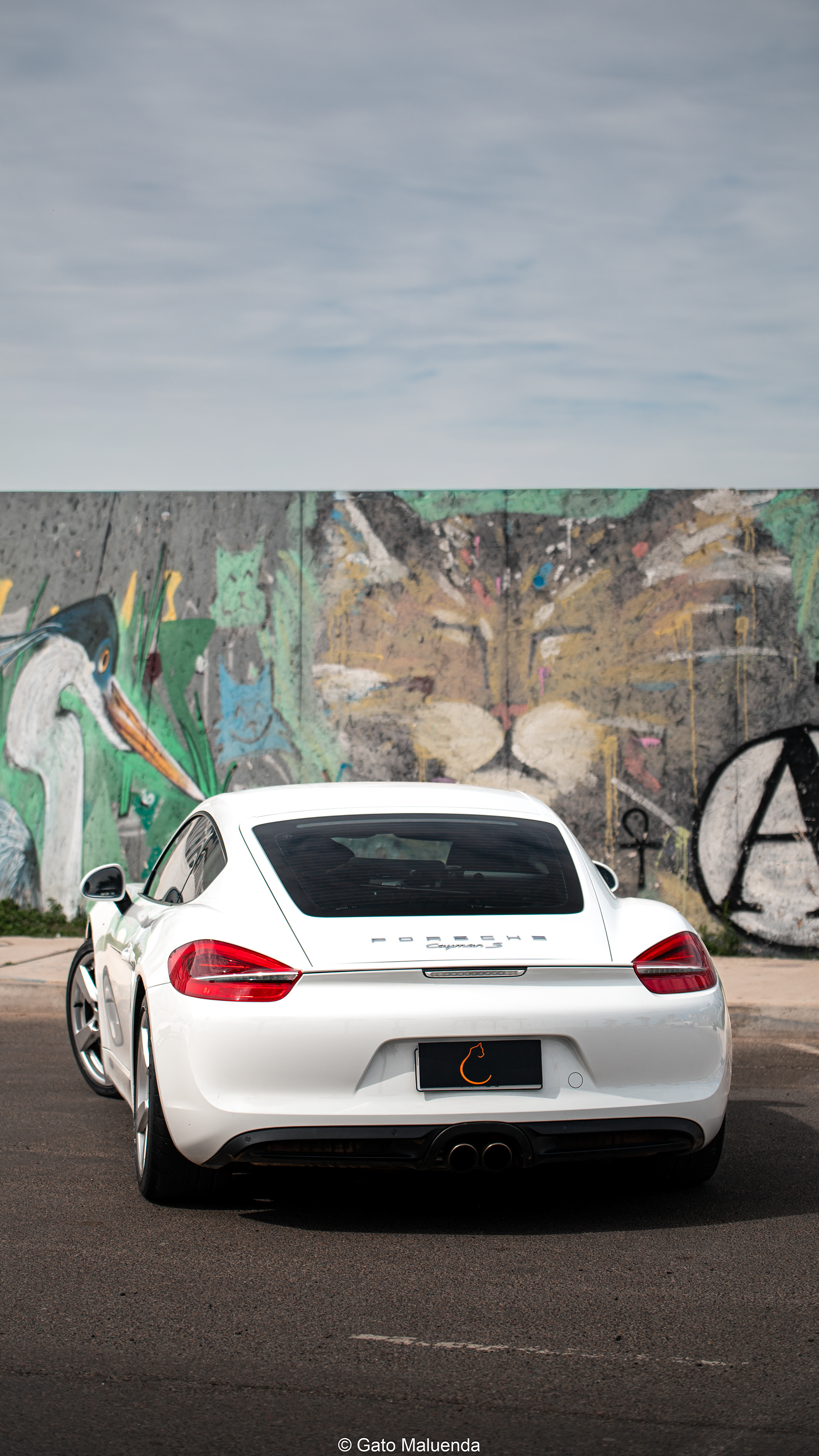
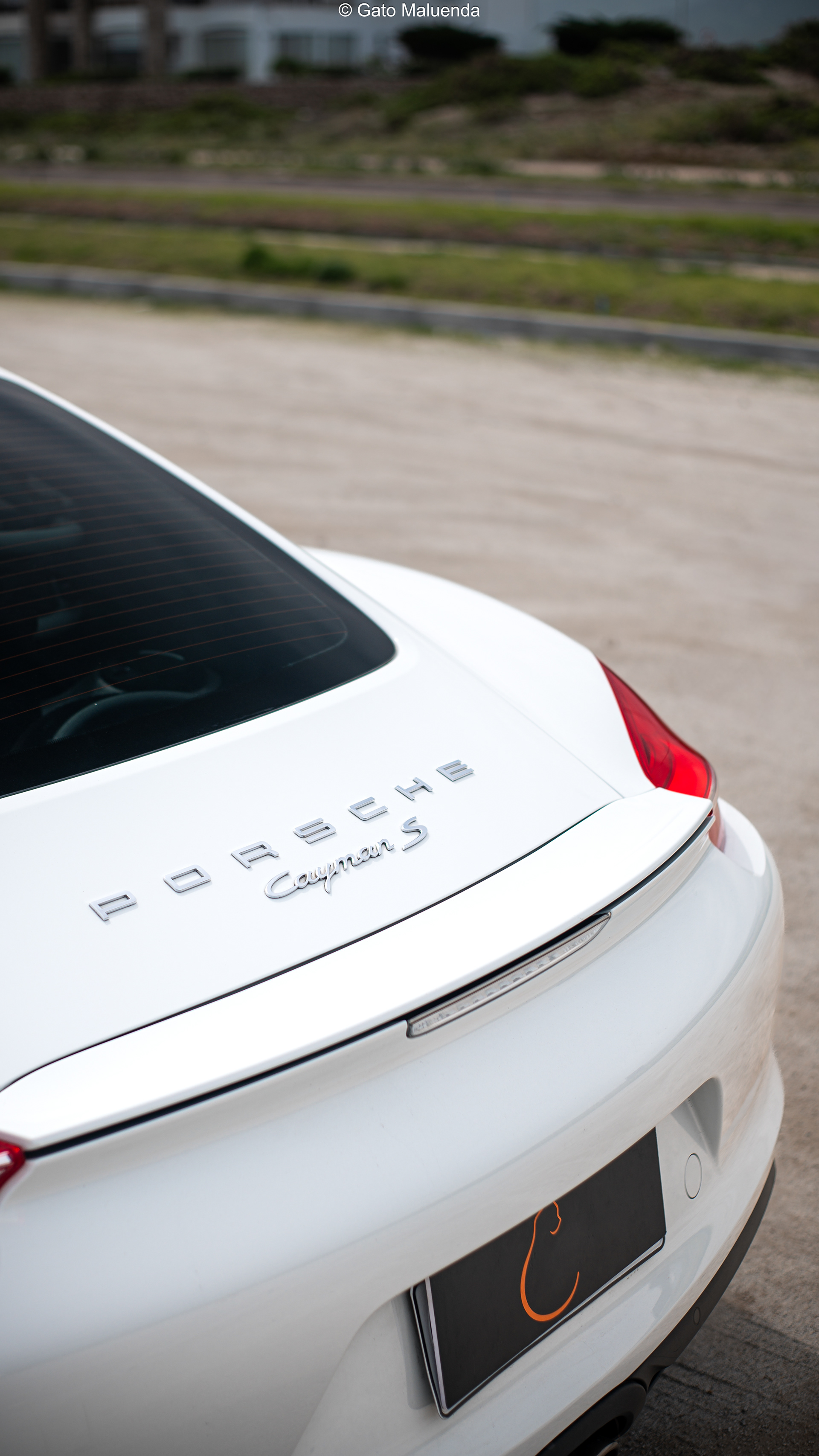
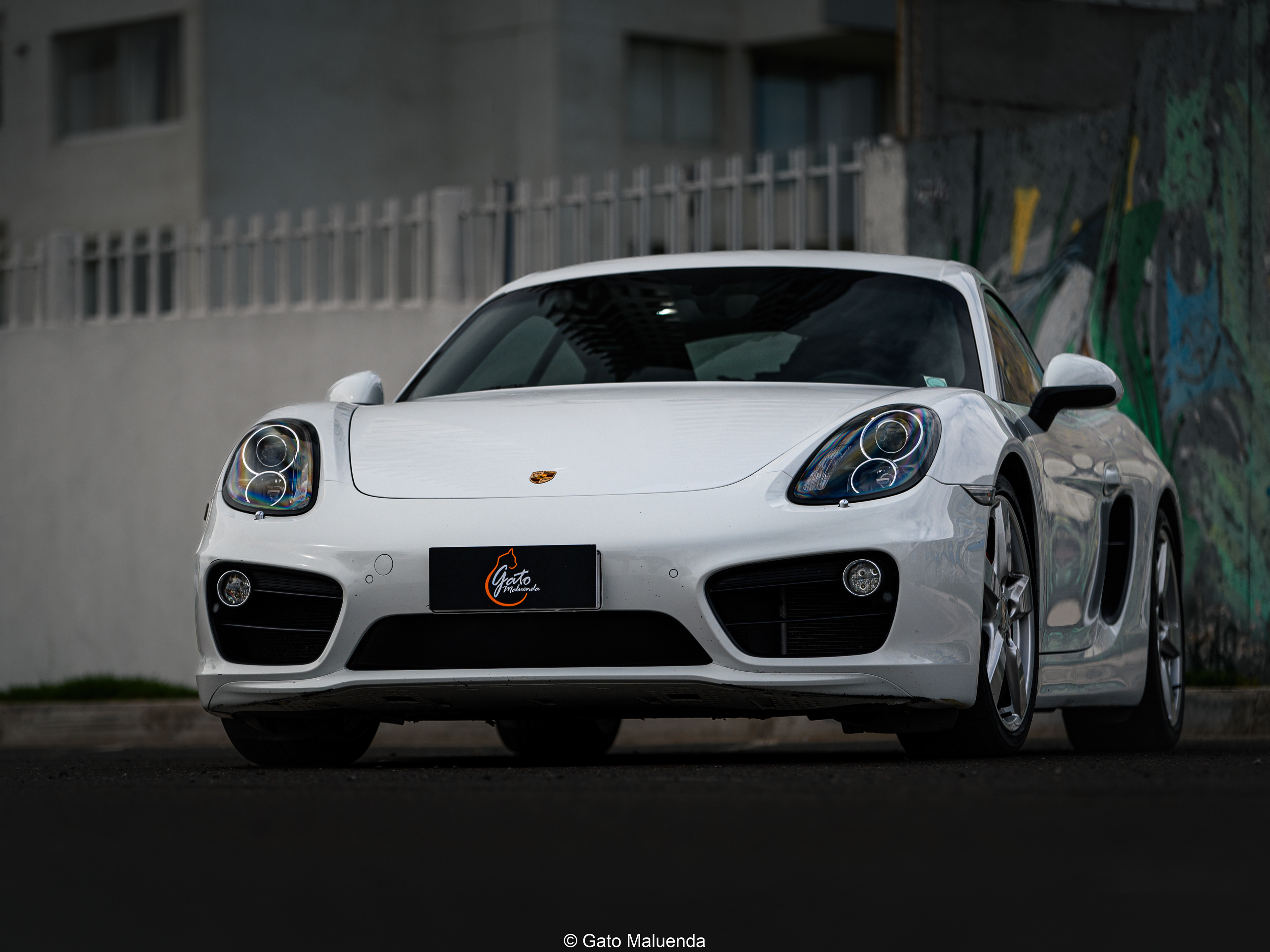
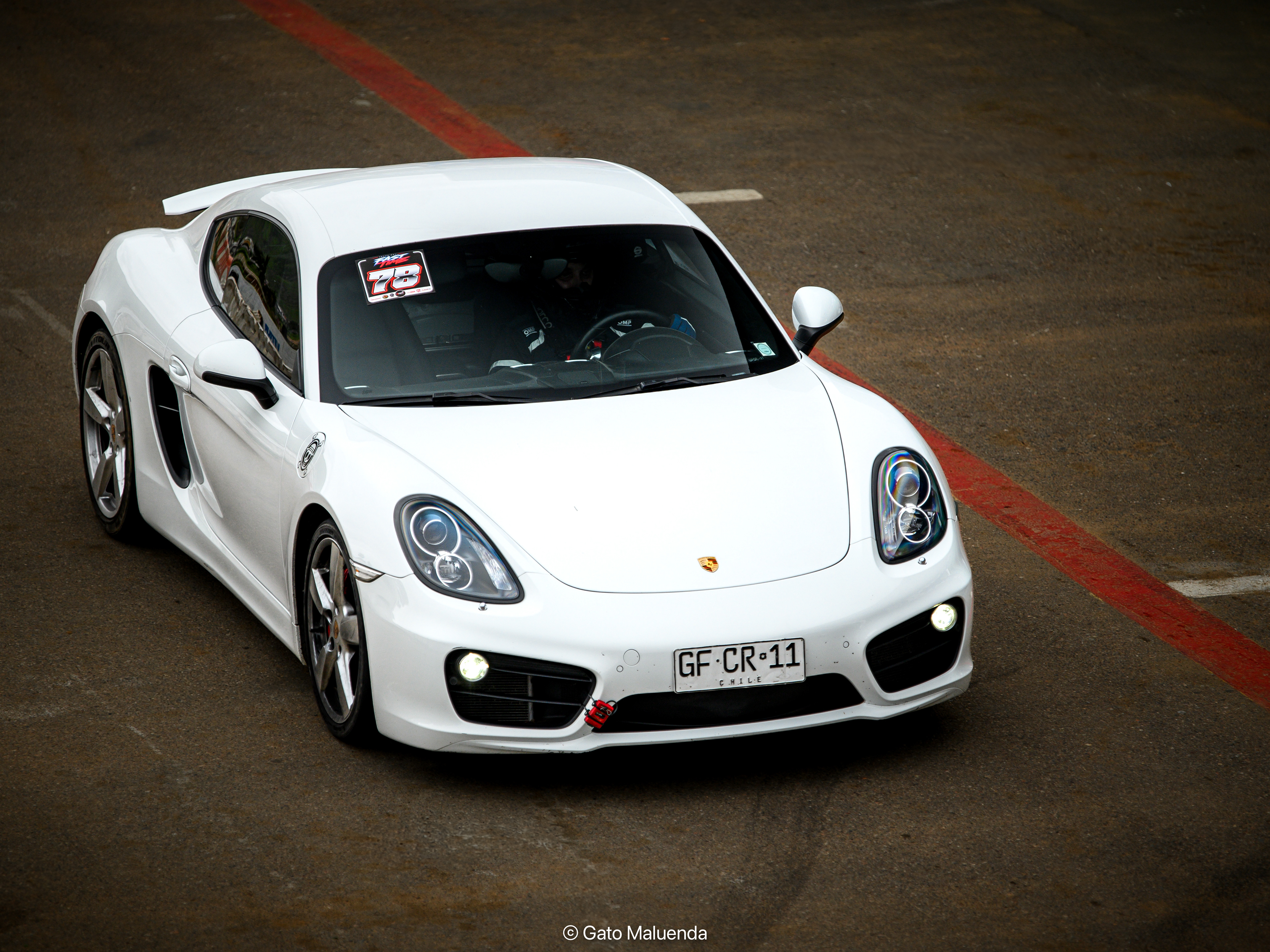
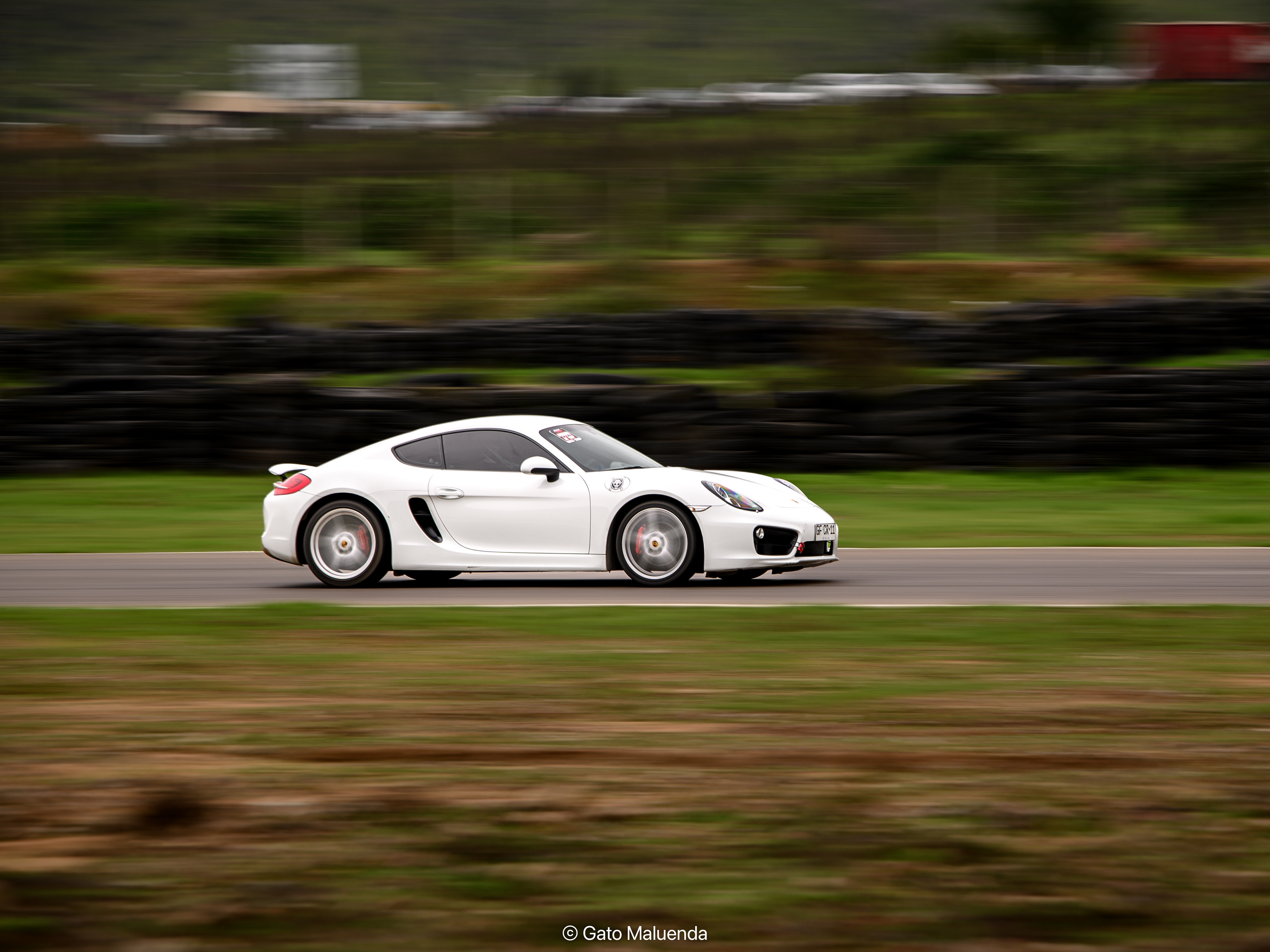
Tenemos que detenernos un momento para hablar del otro protagonista de esta historia: nuestro modelo, el que aparece frente a la cámara.
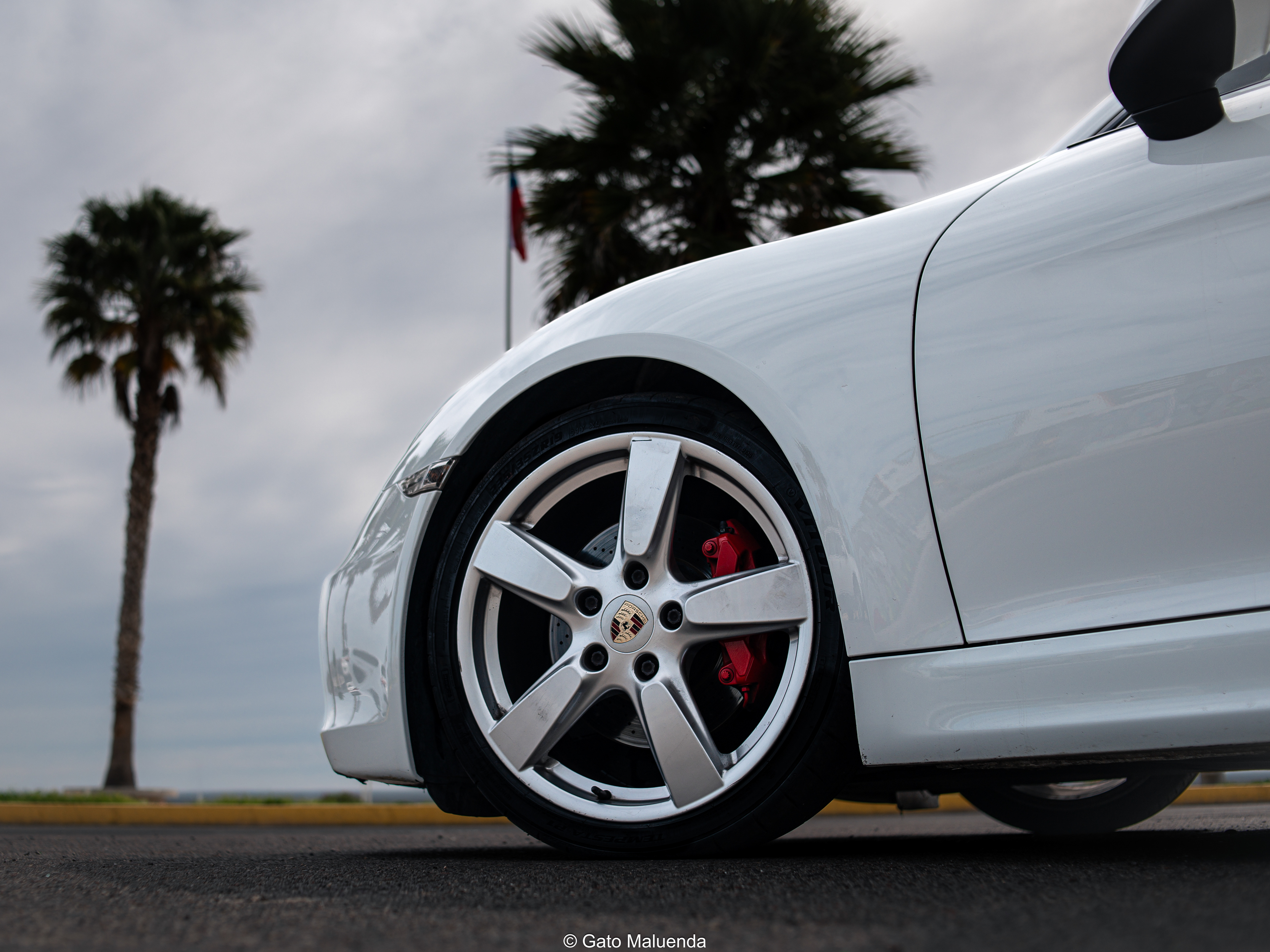
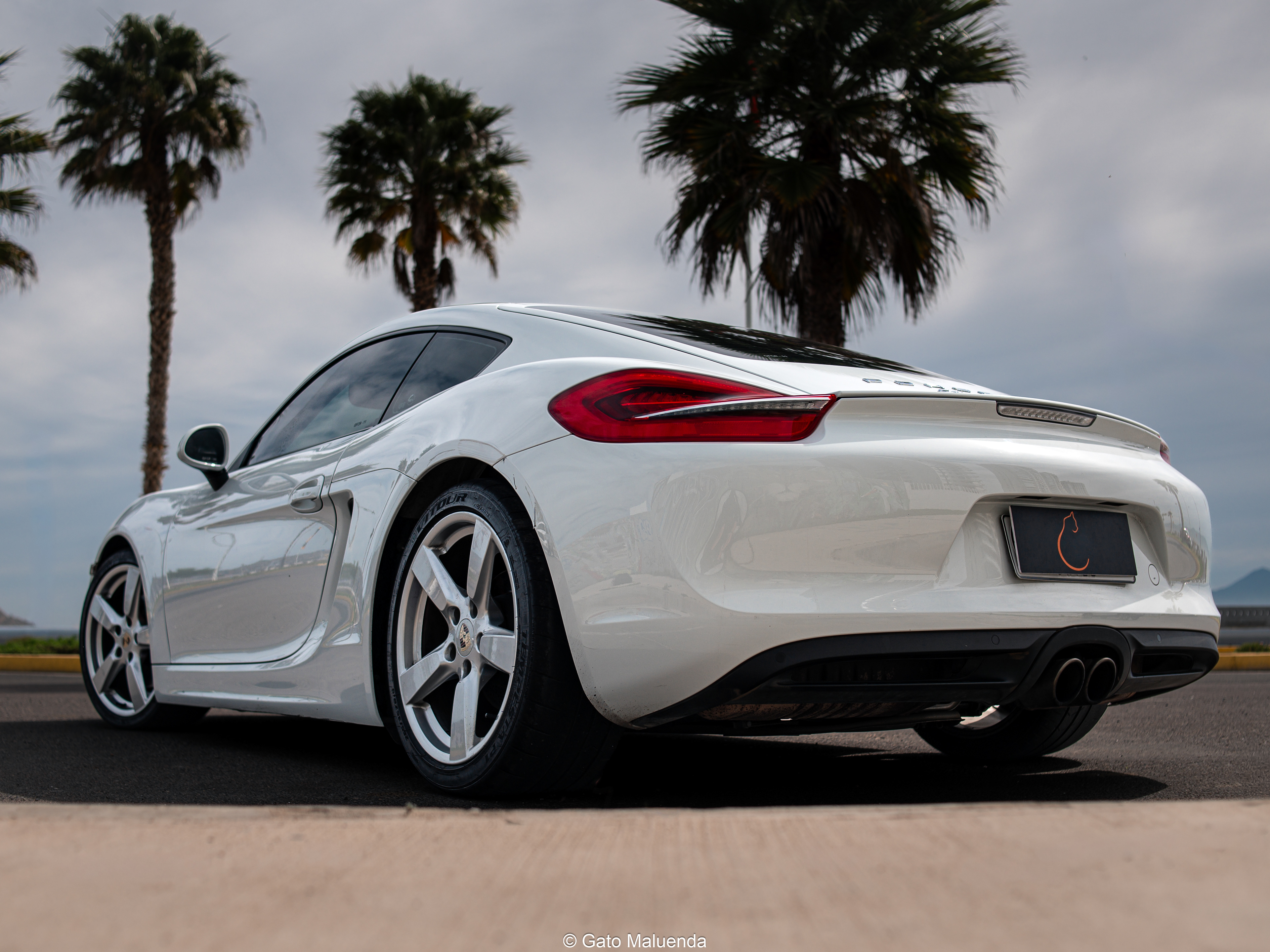
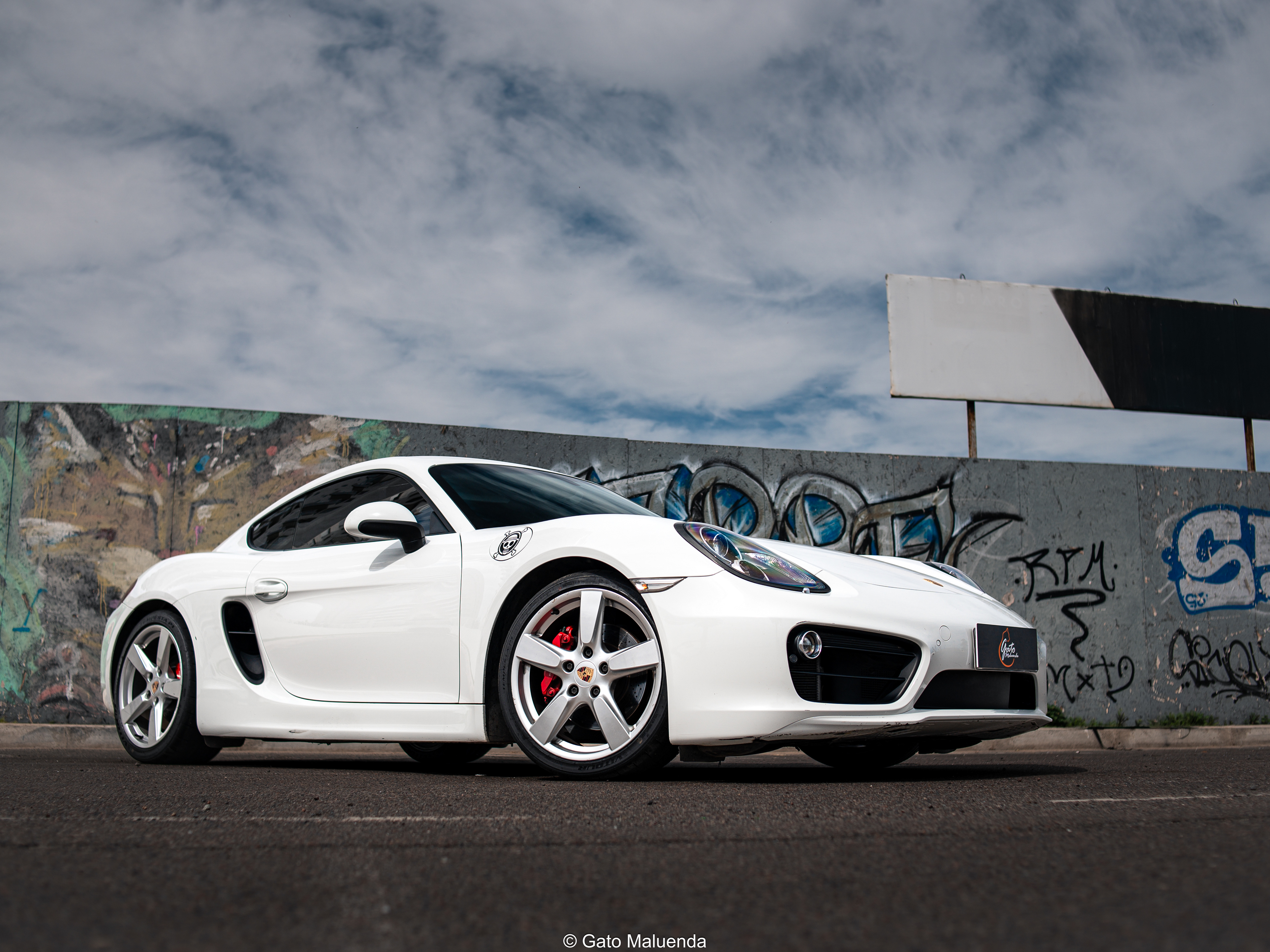
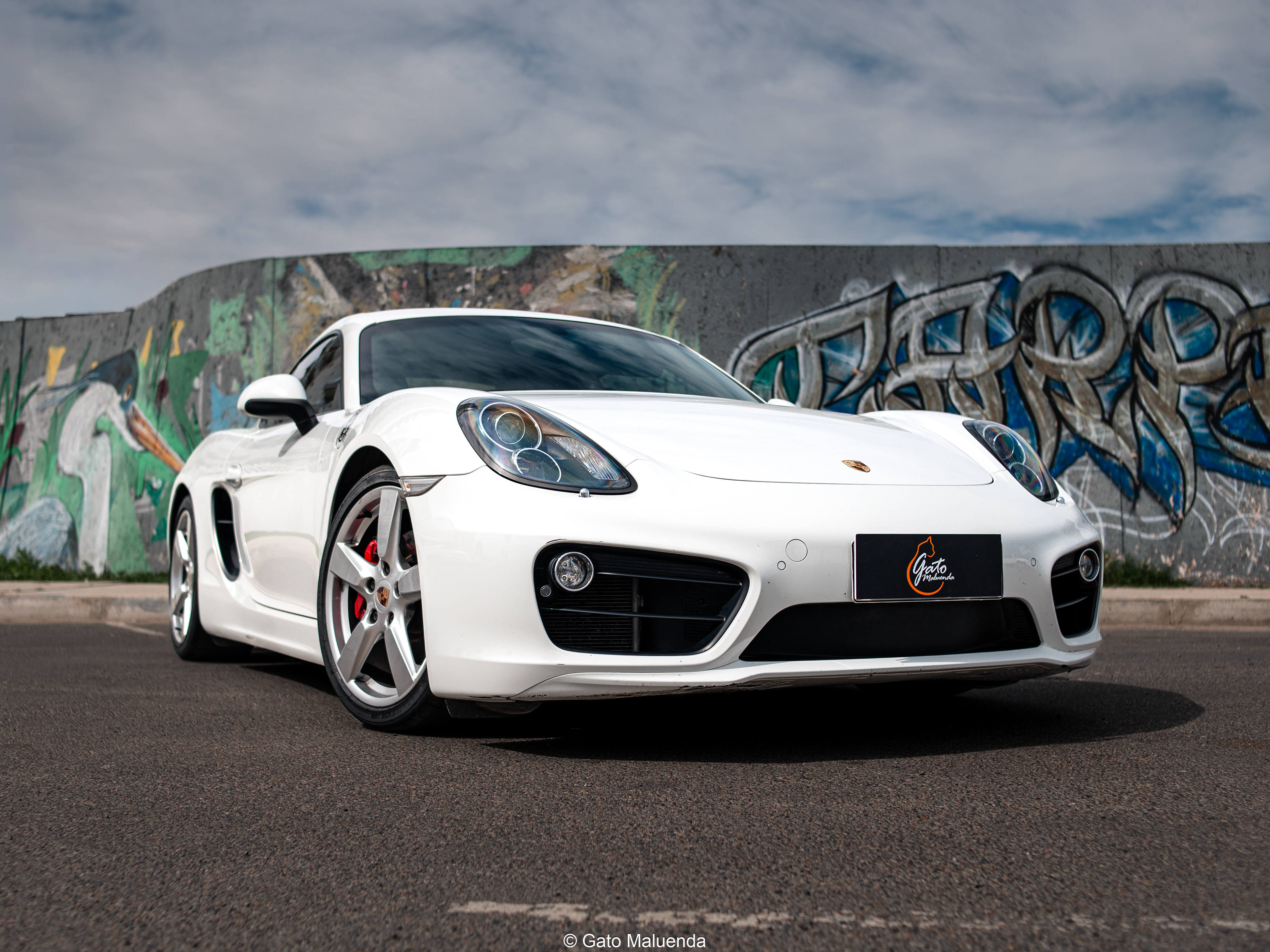
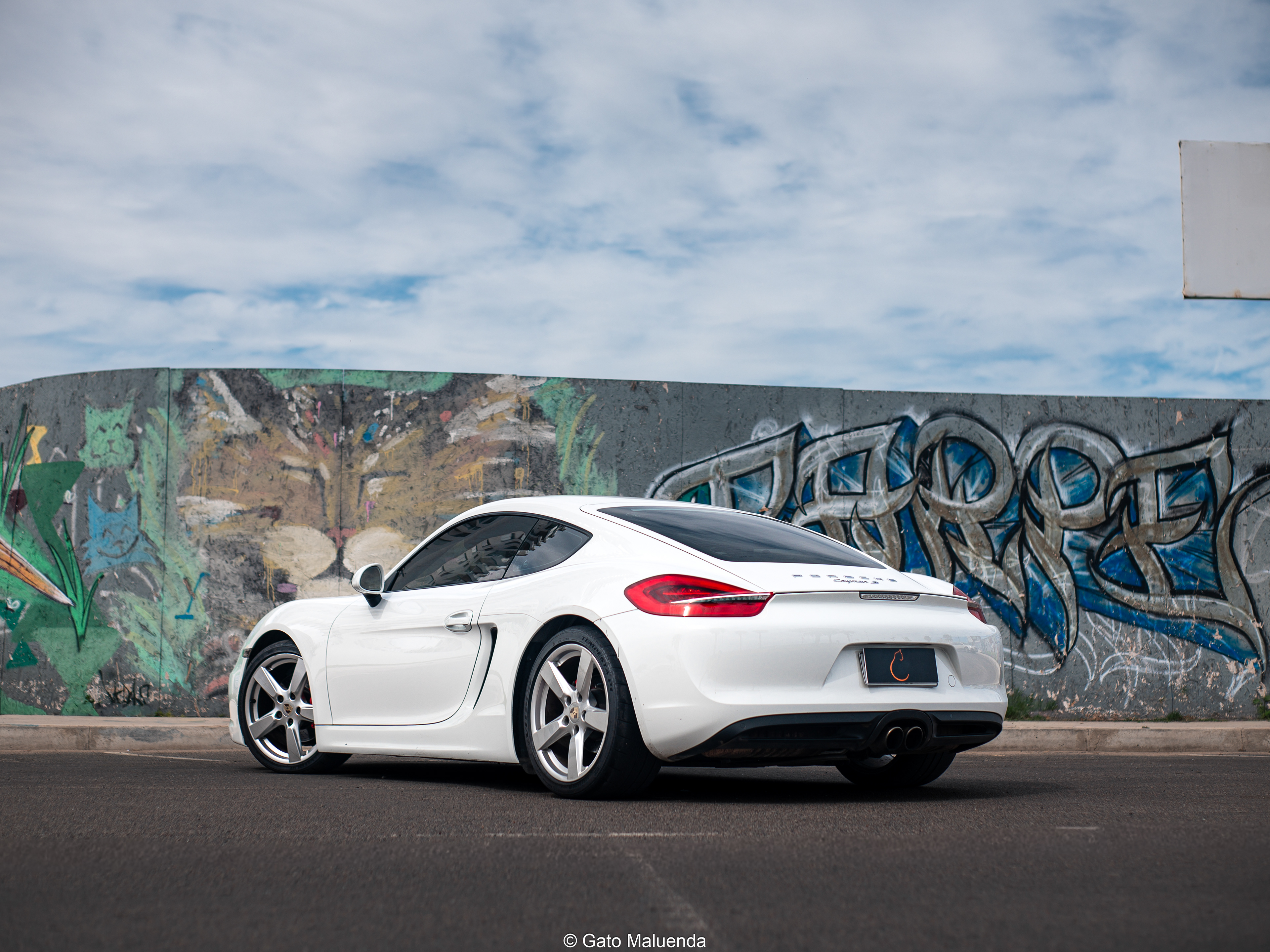
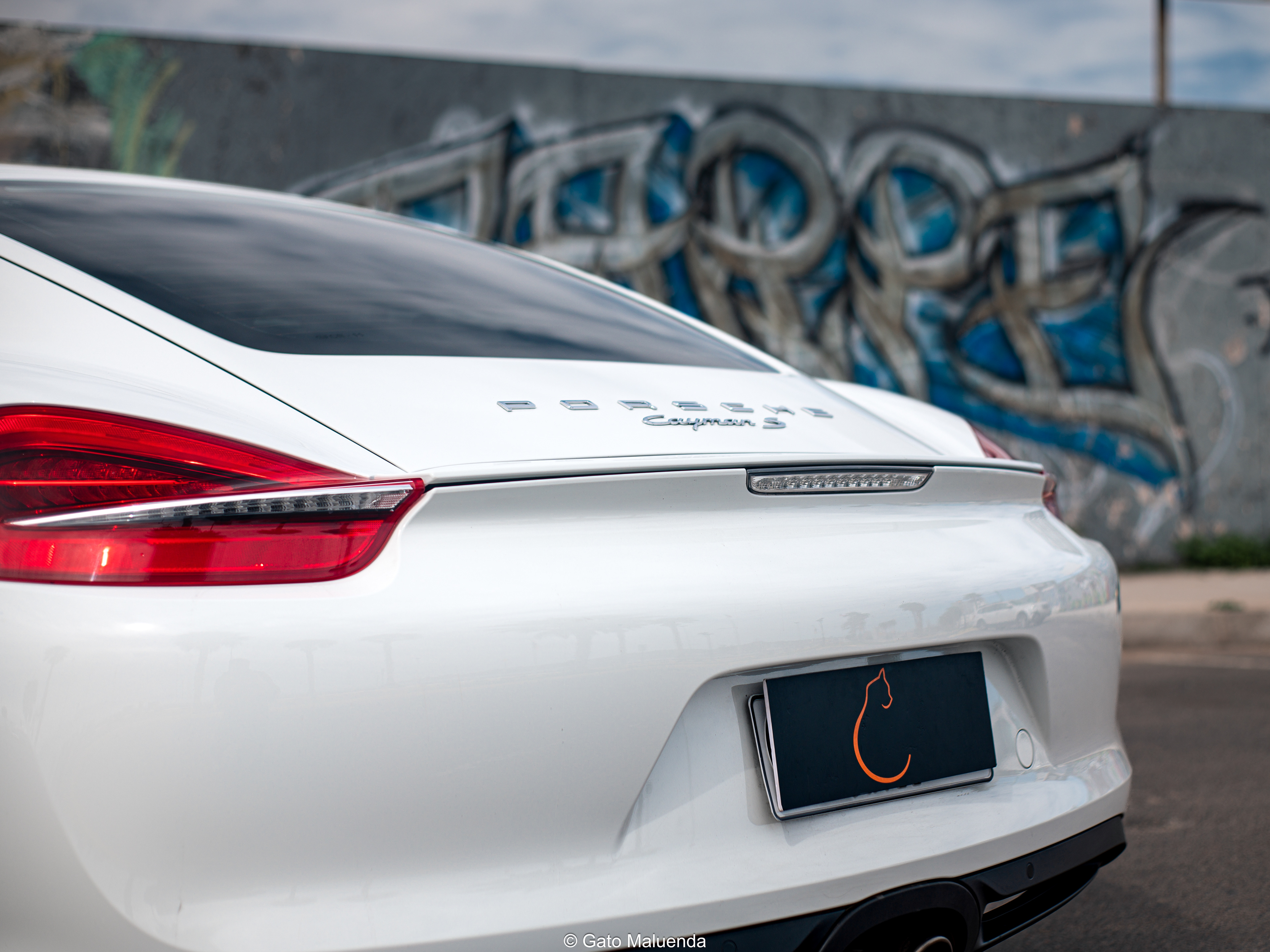
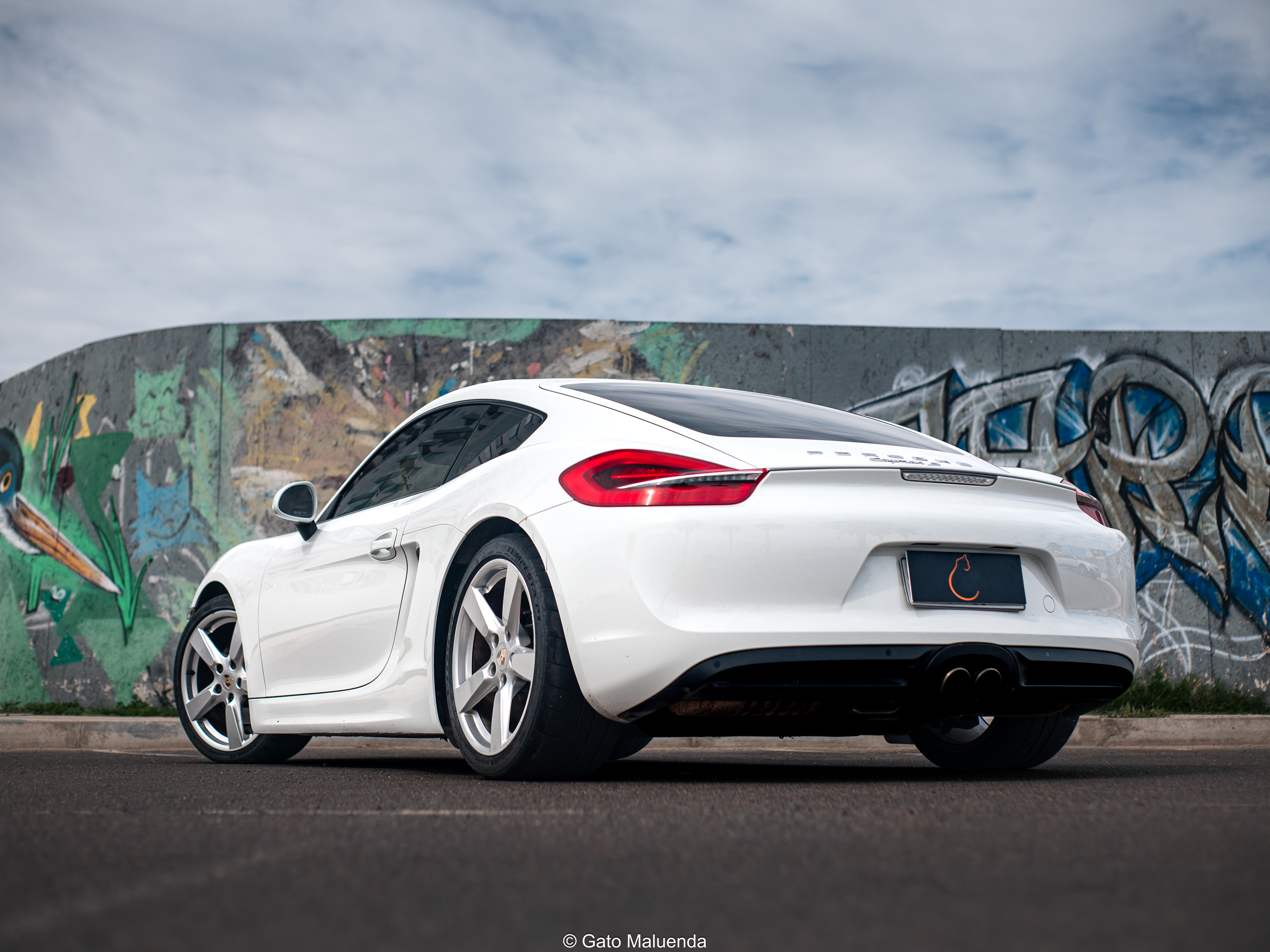
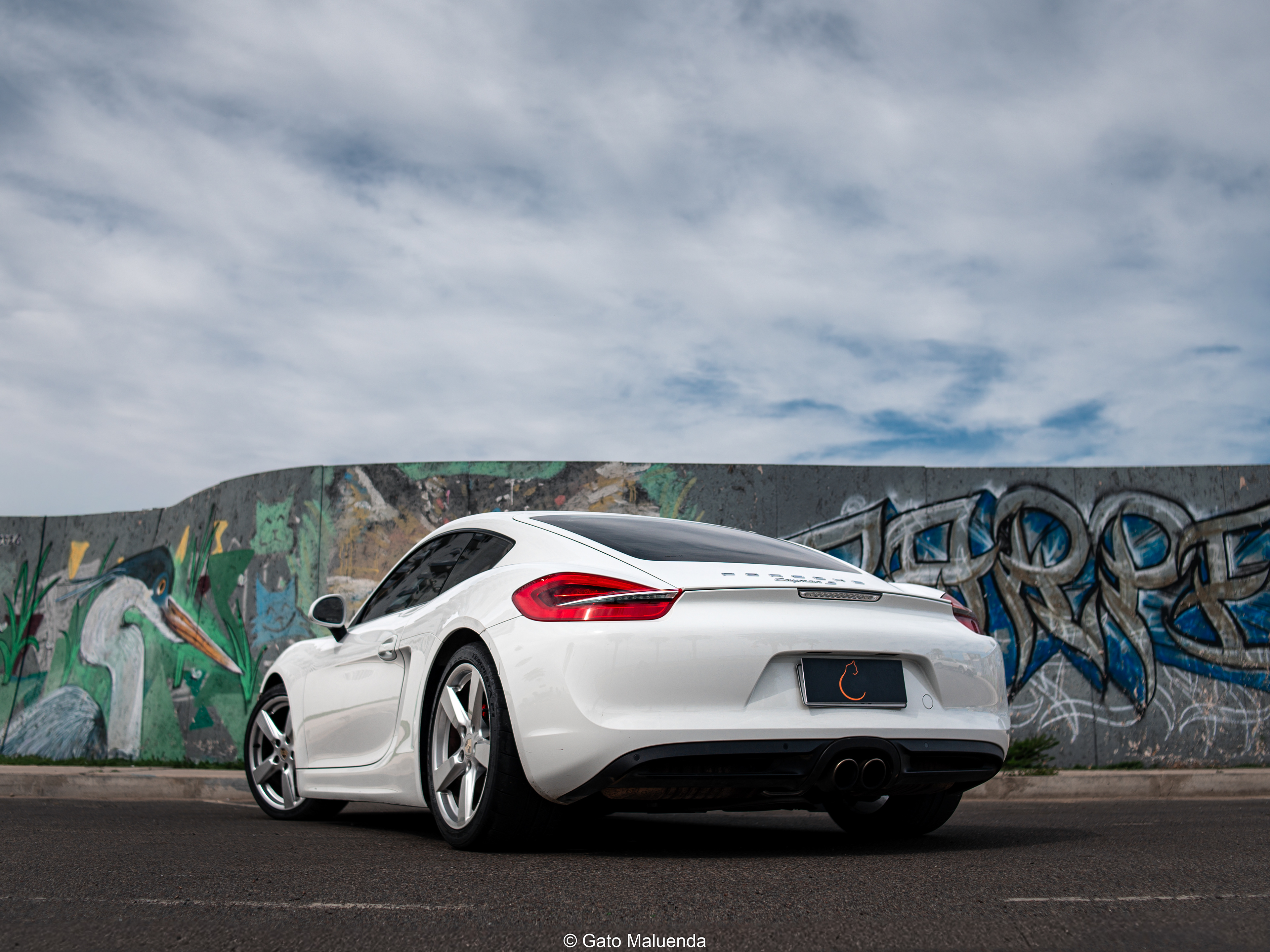
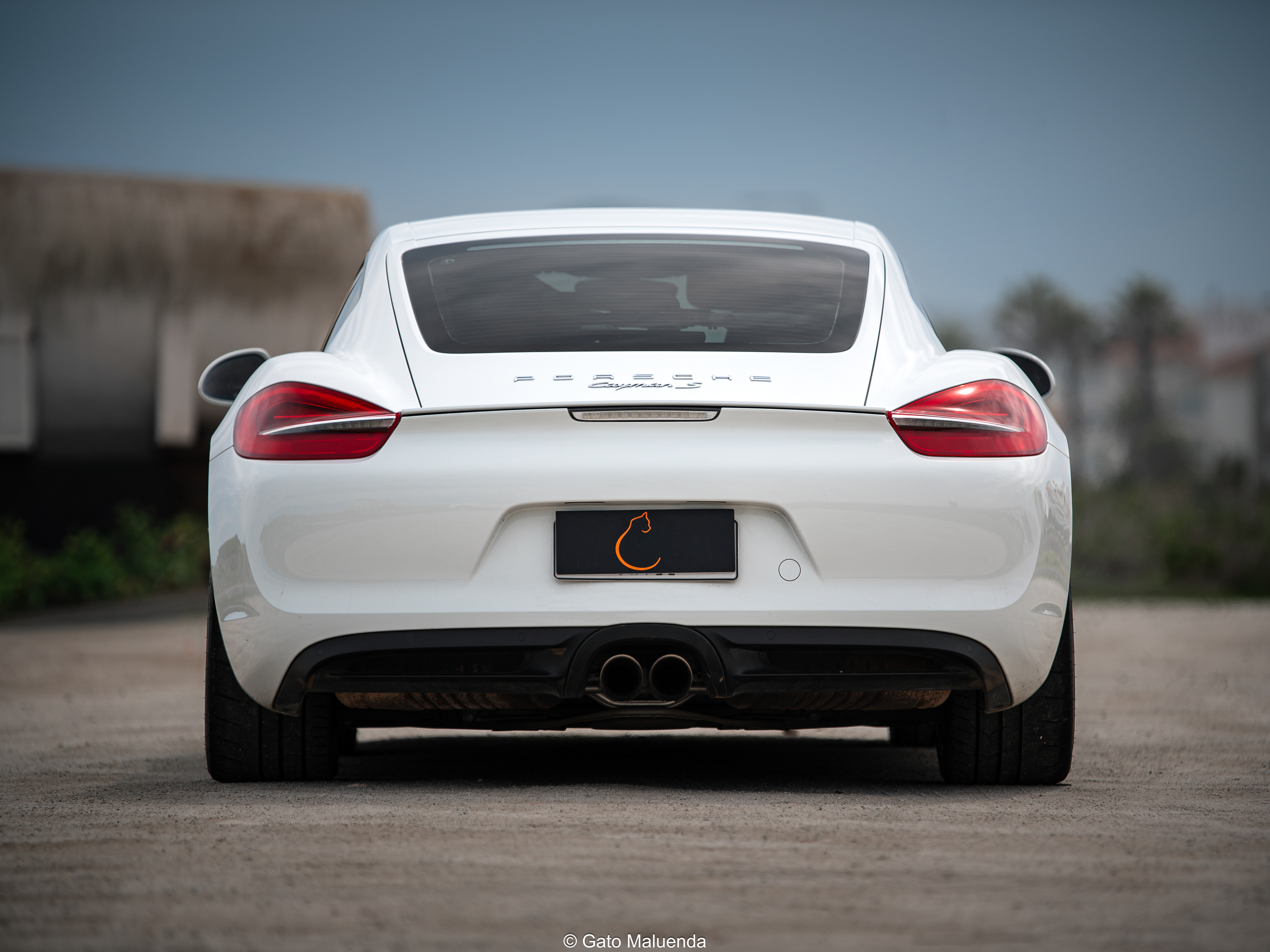
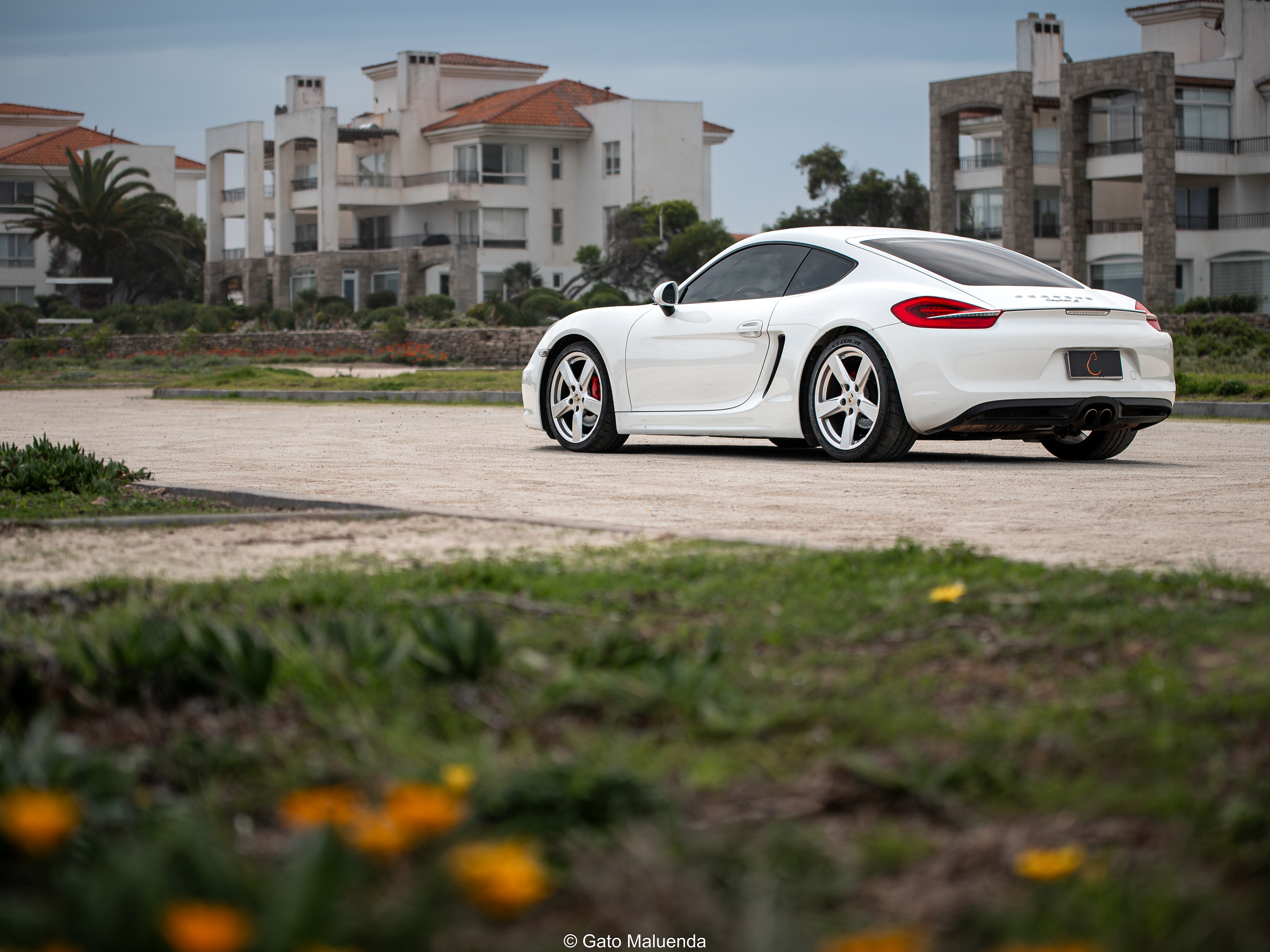
El indicado apareció en Copiapó: un Porsche Cayman S de 2014, perteneciente a la generación 981.
Detrás de sus asientos y por delante del eje trasero trabaja un motor bóxer atmosférico de seis cilindros y 3,4 litros.
Tiene bloque y culatas de aluminio, cuatro válvulas por cilindro y cárter seco integrado. De fábrica entrega 325 hp y 370 Nm de torque.
El motor grita hasta las 7.800 rpm y el auto pesa alrededor de 1.350 kilos.
Con la caja PDK de siete velocidades puede acelerar de 0 a 100 km/h en 4,9 segundos y superar los 280 km/h.
Es un deportivo de verdad, pero su principal virtud no aparece en una recta: está en la ubicación central de su motor,
en la concentración de las masas y en la precisión con la que cambia de dirección.
Detrás de sus asientos y por delante del eje trasero trabaja un motor bóxer atmosférico de seis cilindros y 3,4 litros.
Tiene bloque y culatas de aluminio, cuatro válvulas por cilindro y cárter seco integrado. De fábrica entrega 325 hp y 370 Nm de torque.
El motor grita hasta las 7.800 rpm y el auto pesa alrededor de 1.350 kilos.
Con la caja PDK de siete velocidades puede acelerar de 0 a 100 km/h en 4,9 segundos y superar los 280 km/h.
Es un deportivo de verdad, pero su principal virtud no aparece en una recta: está en la ubicación central de su motor,
en la concentración de las masas y en la precisión con la que cambia de dirección.
Durante años, el Boxster y el Cayman fueron mirados en menos por parte de los puristas,
pero esa arquitectura de motor central es precisamente una de sus mayores virtudes.
Matías vio en él la oportunidad de cumplir el sueño de entrar a una pista y no lo pensó demasiado. Algunas decisiones se toman así.
pero esa arquitectura de motor central es precisamente una de sus mayores virtudes.
Matías vio en él la oportunidad de cumplir el sueño de entrar a una pista y no lo pensó demasiado. Algunas decisiones se toman así.
Primero vino aquella solución provisional con el palo de escoba. Después llegó la adaptación definitiva.
Una forma distinta de hacer lo mismo
El sistema actual fue instalado por Roller Mobility, una empresa de Santiago dedicada a desarrollar soluciones que entregan mayor
independencia a personas con lesiones medulares o que utilizan silla de ruedas.
independencia a personas con lesiones medulares o que utilizan silla de ruedas.
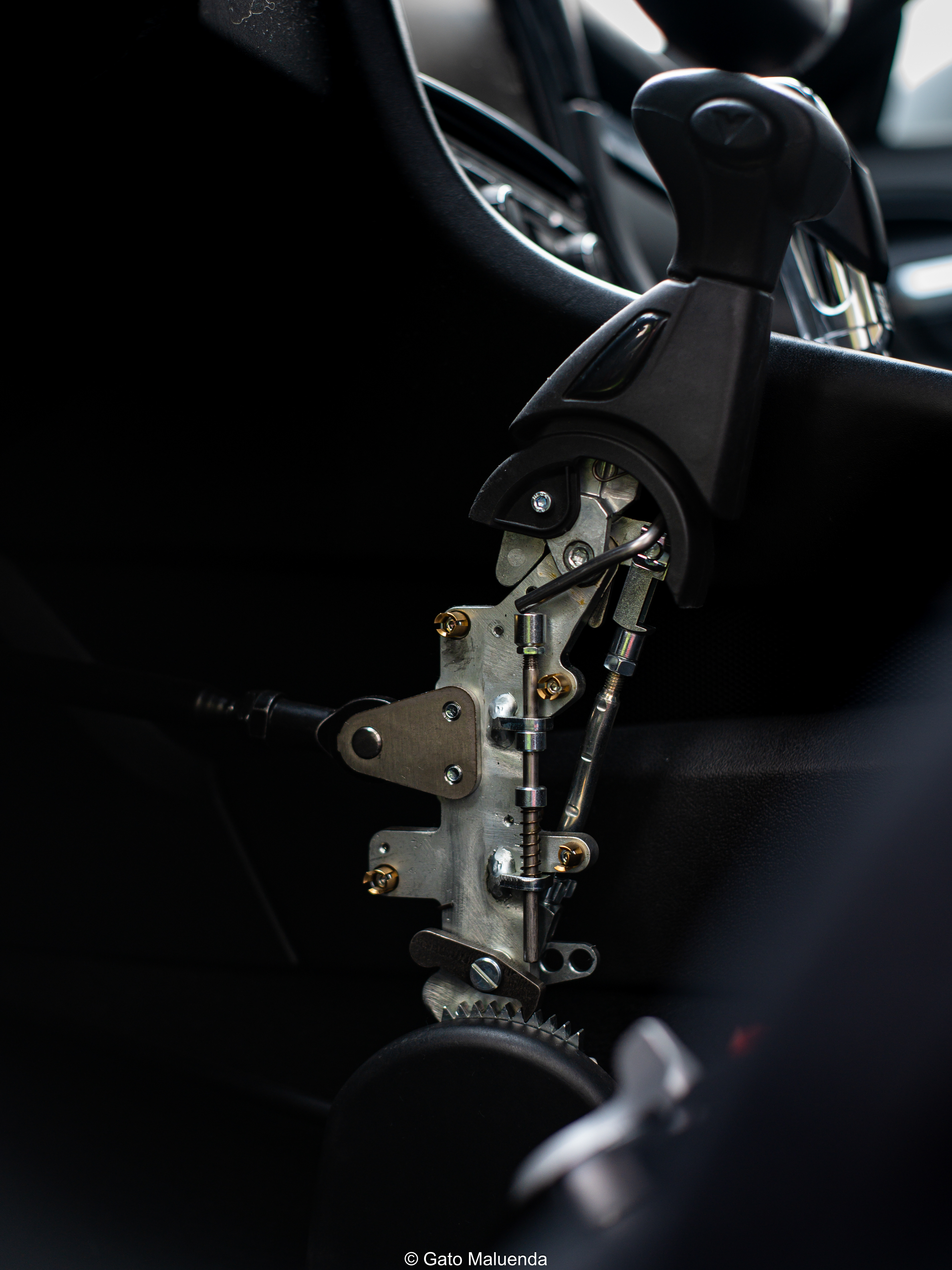
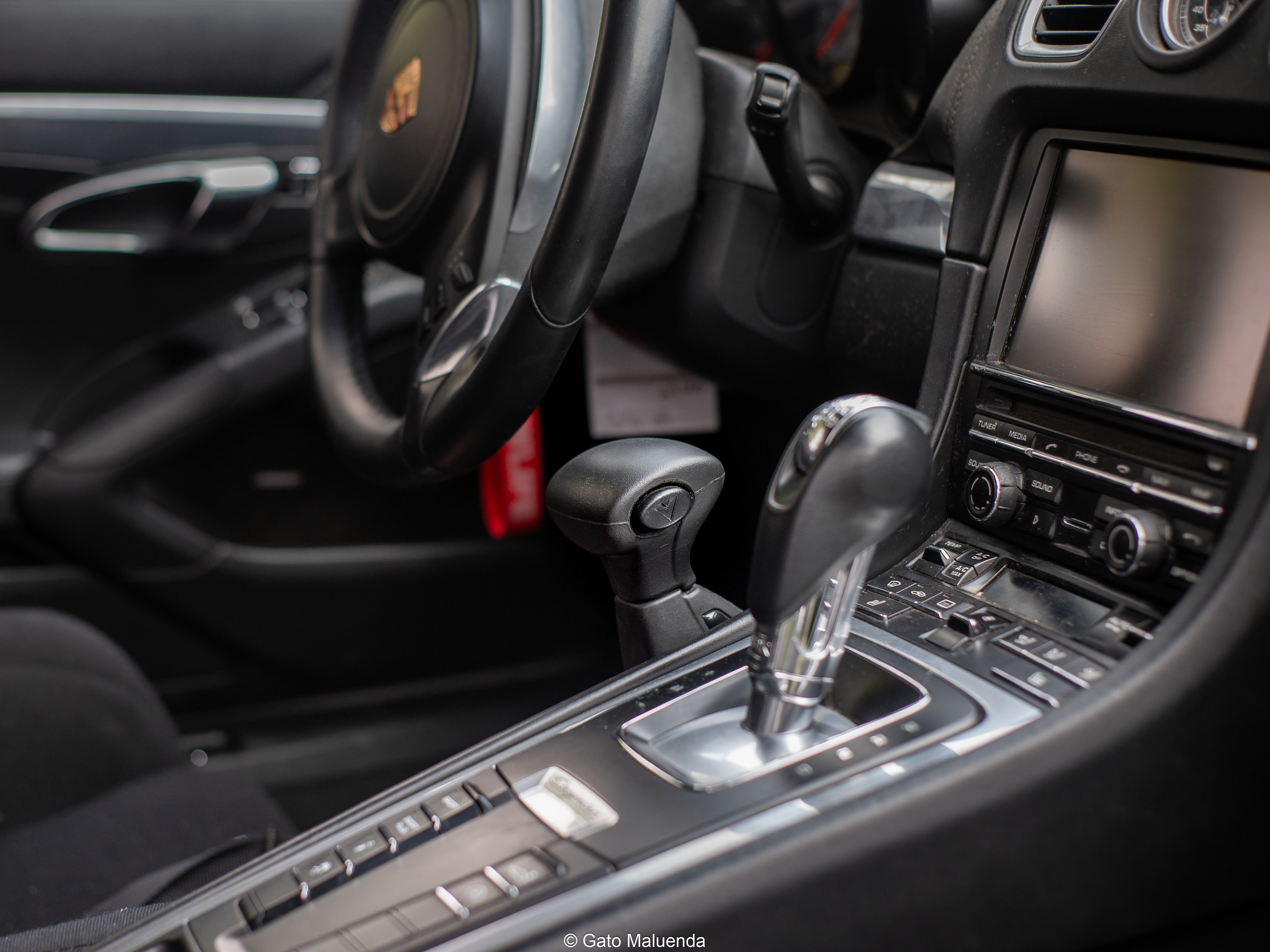
La adaptación funciona mediante un mando manual: al moverlo hacia delante, Matías acelera; al llevarlo hacia atrás, frena.
Se trata de un kit que puede instalarse y también retirarse del automóvil mediante trabajo especializado.
El Cayman no tuvo que dejar de ser un Cayman; simplemente cambió la forma de darle las órdenes.
Como todo lo nuevo, existe una curva de aprendizaje. Coordinar los movimientos y desarrollar sensibilidad con el mando requiere práctica y tiempo,
de la misma manera que cualquier conductor debe aprender a dosificar un pedal o interpretar las reacciones de un auto nuevo.
Se trata de un kit que puede instalarse y también retirarse del automóvil mediante trabajo especializado.
El Cayman no tuvo que dejar de ser un Cayman; simplemente cambió la forma de darle las órdenes.
Como todo lo nuevo, existe una curva de aprendizaje. Coordinar los movimientos y desarrollar sensibilidad con el mando requiere práctica y tiempo,
de la misma manera que cualquier conductor debe aprender a dosificar un pedal o interpretar las reacciones de un auto nuevo.
Hoy el sistema ya no ocupa espacio en sus pensamientos. No se sube al Cayman pensando en la adaptación: se sube y maneja.
—Ya es simplemente mi forma de conducir. Para mí se siente completamente natural —explica.
Eso no significa que el aprendizaje haya terminado. Matías insiste en que todos los conductores cometen errores y que precisamente de ellos nace
buena parte del progreso. Ninguna adaptación, modificación o ayuda técnica reemplaza el trabajo de entender el auto y perfeccionar la conducción.
Eso no significa que el aprendizaje haya terminado. Matías insiste en que todos los conductores cometen errores y que precisamente de ellos nace
buena parte del progreso. Ninguna adaptación, modificación o ayuda técnica reemplaza el trabajo de entender el auto y perfeccionar la conducción.
La pista como escuela
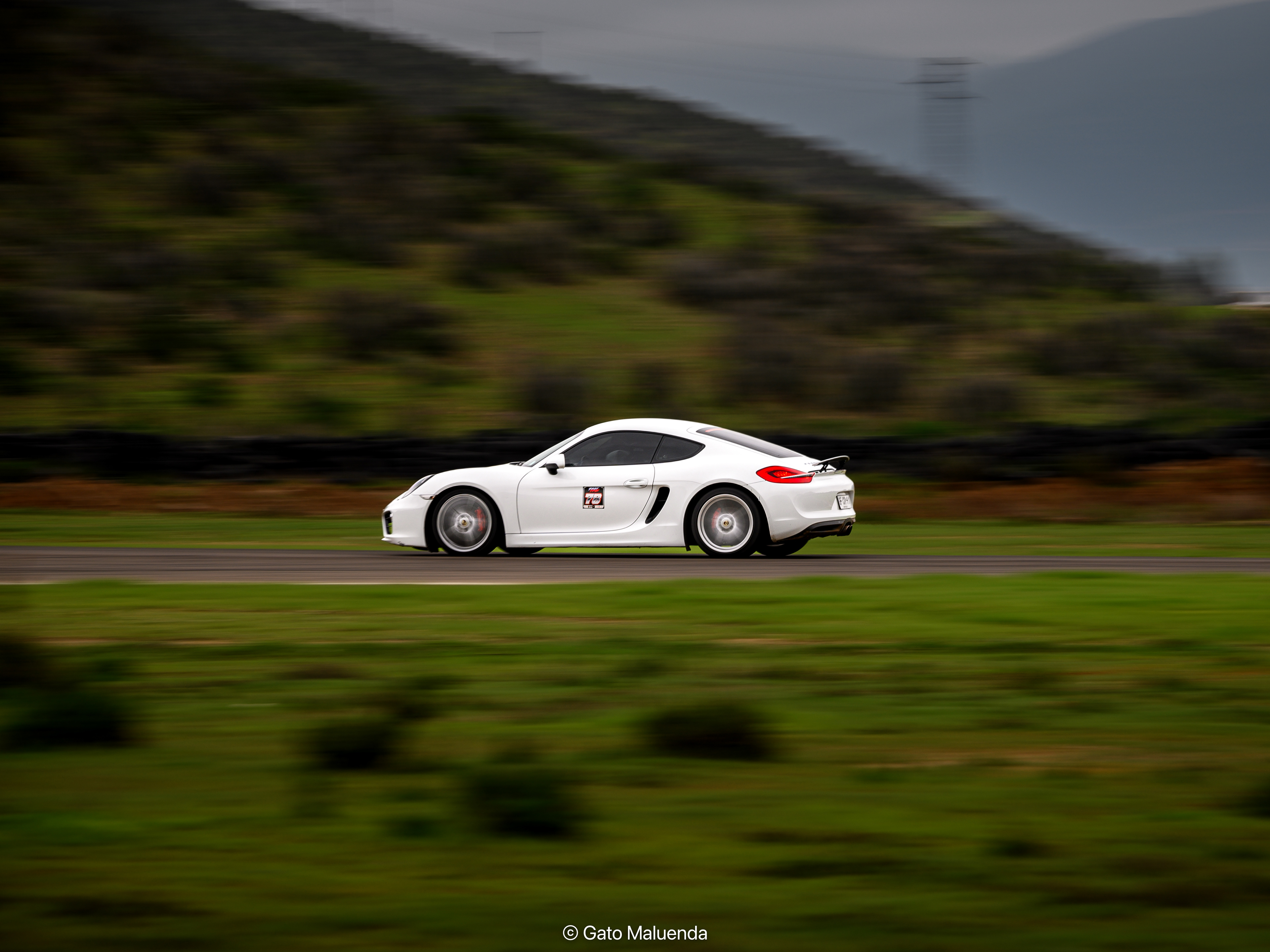
El recorrido de Matías en pista comenzó en el Autódromo Villa Olímpica, en Quilpué, y continuó en Huachalalume. Fue allí, durante una fecha de Fasttime, donde llegó uno de los primeros grandes resultados del proyecto: su primer podio. Y no fue uno cualquiera.
Matías se quedó con el primer lugar de la categoría Fast Pro.
Matías se quedó con el primer lugar de la categoría Fast Pro.
Pero antes del trofeo hubo otros dos hitos igualmente importantes. El primero fue manejar el Cayman con todas sus adaptaciones ya instaladas; ese día sintió, por fin, que el auto realmente era suyo. Después llegó su primer track day, el momento en que un sueño postergado se convirtió en algo real.
El triunfo en Huachalalume cerró ese primer círculo: la pasión y el aprendizaje ya no solo se sentían al volante;
también comenzaban a reflejarse en los resultados.
también comenzaban a reflejarse en los resultados.
Cuando habla de competir, la primera palabra que aparece es adrenalina. La segunda es felicidad.
Más que derrotar a otros, le interesa entender qué ocurre en una curva, cuánto puede retrasar una frenada, cómo entrega la potencia el auto
y dónde están sus propios límites. Su motivación ha cambiado con el tiempo. Ya no se trata solamente de manejar rápido,
sino de mejorar como piloto y desarrollar el enorme potencial del auto.
Más que derrotar a otros, le interesa entender qué ocurre en una curva, cuánto puede retrasar una frenada, cómo entrega la potencia el auto
y dónde están sus propios límites. Su motivación ha cambiado con el tiempo. Ya no se trata solamente de manejar rápido,
sino de mejorar como piloto y desarrollar el enorme potencial del auto.
Un proyecto que todavía no termina
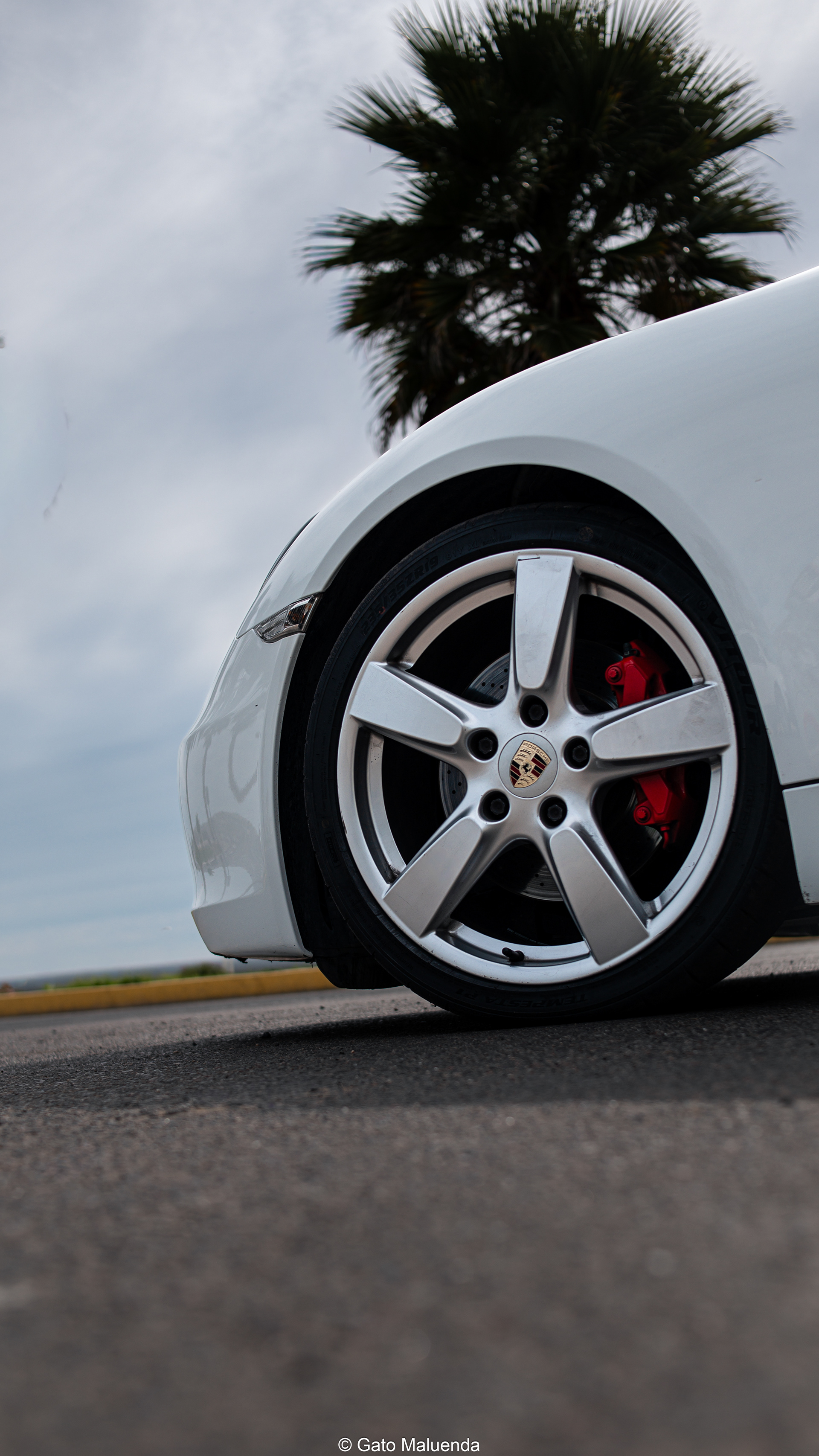
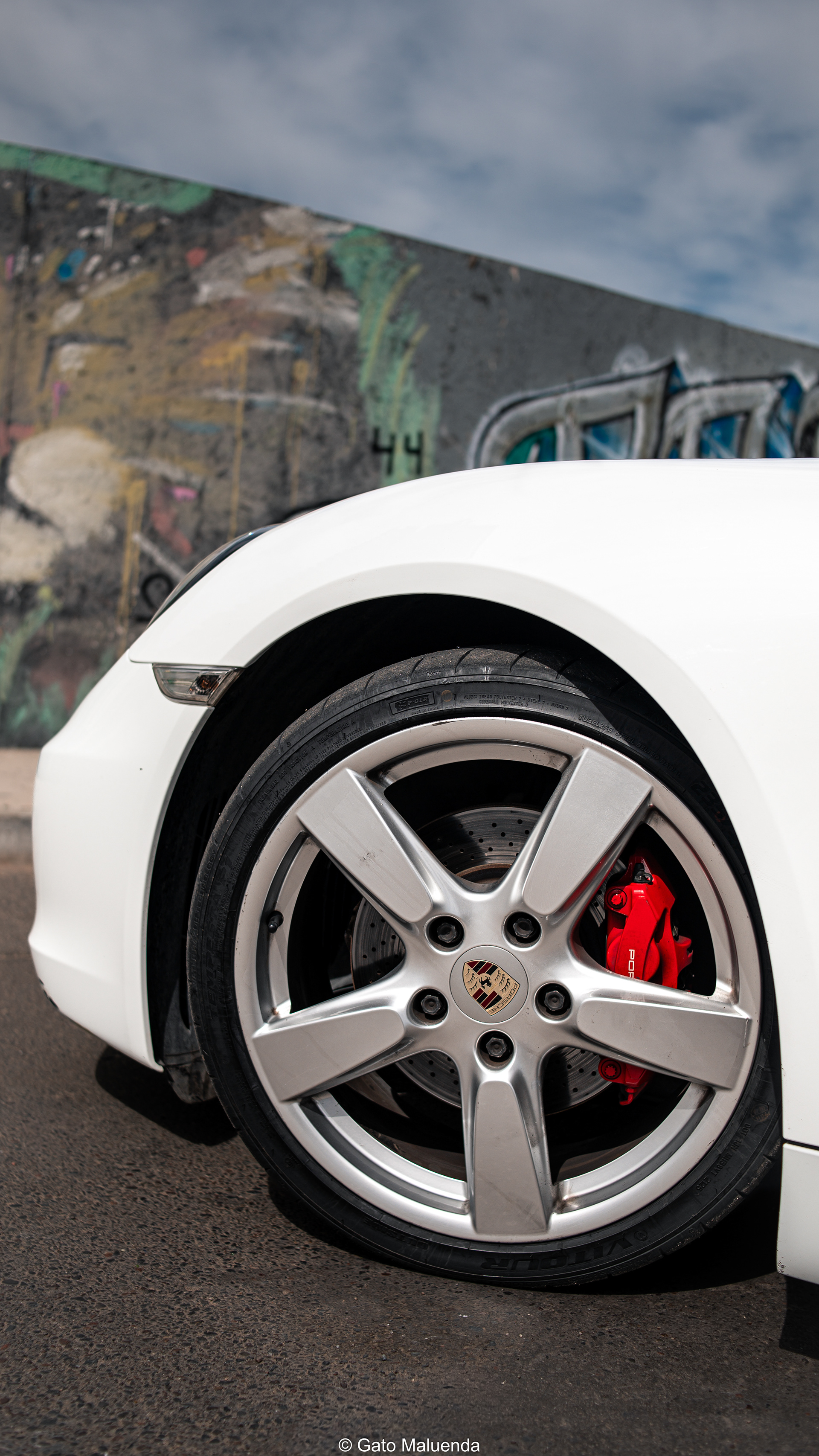
El trabajo ya comenzó. El sistema de frenos fue reemplazado y la zona trasera se encuentra completamente desmontada como parte
del proceso de aligeramiento. Aun así, el Cayman todavía está lejos de alcanzar su forma definitiva.
Entre los próximos trabajos está la instalación de placas de camber delanteras, que permitirán aumentar el ángulo de caída y mejorar el comportamiento del tren delantero en pista. También proyecta incorporar una semijaula para elevar la seguridad y aportar rigidez al chasis.
Después vendrán nuevas etapas: seguir reduciendo peso, aumentar la rigidez del chasis y, más adelante, la potencia.
Pero no quiere realizar todas las modificaciones de una sola vez.
Parte del atractivo está en cambiar un elemento, volver a la pista, comprender su efecto y aprender nuevamente a extraer el máximo del conjunto.
El trabajo ya comenzó. El sistema de frenos fue reemplazado y la zona trasera se encuentra completamente desmontada como parte
del proceso de aligeramiento. Aun así, el Cayman todavía está lejos de alcanzar su forma definitiva.
Entre los próximos trabajos está la instalación de placas de camber delanteras, que permitirán aumentar el ángulo de caída y mejorar el comportamiento del tren delantero en pista. También proyecta incorporar una semijaula para elevar la seguridad y aportar rigidez al chasis.
Después vendrán nuevas etapas: seguir reduciendo peso, aumentar la rigidez del chasis y, más adelante, la potencia.
Pero no quiere realizar todas las modificaciones de una sola vez.
Parte del atractivo está en cambiar un elemento, volver a la pista, comprender su efecto y aprender nuevamente a extraer el máximo del conjunto.
Cada modificación transforma un poco al auto. Para aprovecharla, el piloto también debe transformarse.
Esa evolución compartida se ha convertido en una de las partes más importantes del proyecto. El Cayman siempre le entrega una nueva meta:
una mantención antes del próximo track day, una mejora por probar, un circuito por conocer o una habilidad que todavía necesita trabajar.
Esa evolución compartida se ha convertido en una de las partes más importantes del proyecto. El Cayman siempre le entrega una nueva meta:
una mantención antes del próximo track day, una mejora por probar, un circuito por conocer o una habilidad que todavía necesita trabajar.
Para Matías, el auto representa libertad, desarrollo personal y una idea sencilla que con frecuencia olvidamos:
la vida está ocurriendo ahora y, de vez en cuando, vale la pena permitirse cumplir un sueño.
la vida está ocurriendo ahora y, de vez en cuando, vale la pena permitirse cumplir un sueño.
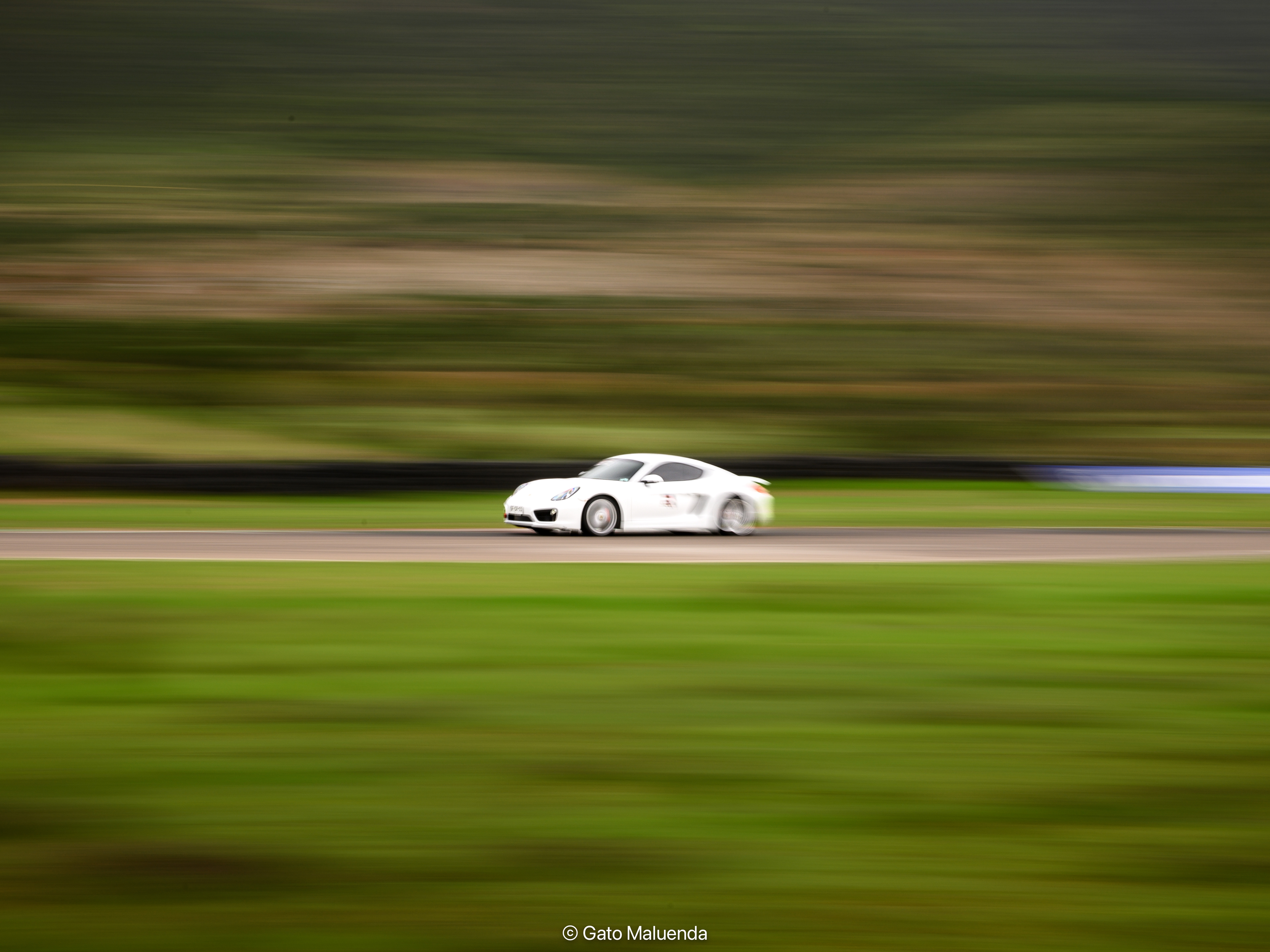
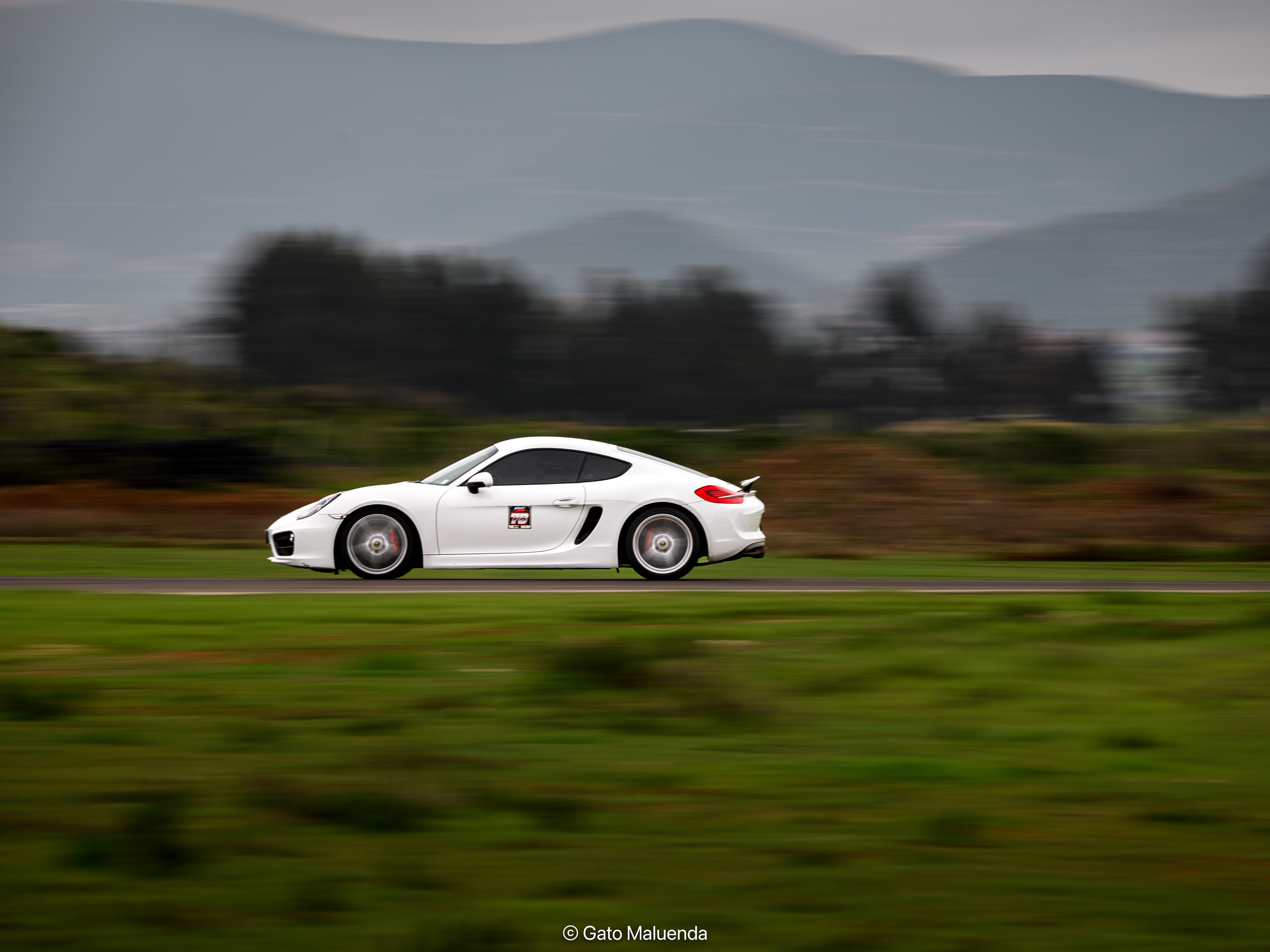
Por eso estas fotografías no cuentan solamente la historia de una discapacidad ni la de un Porsche adaptado. Hablan de una pasión heredada, interrumpida durante años y finalmente recuperada. Hablan de independencia, aprendizaje y de un piloto que todavía tiene mucho camino por recorrer.
—Muchas veces los límites no significan que uno tenga que dejar de hacer lo que le gusta, sino que quizás hay que encontrar otra forma de hacerlo.
Hoy todavía quedan modificaciones por instalar, peso por eliminar, piezas por desarrollar, nuevos circuitos por conocer y décimas por encontrar.
El Cayman no está terminado. La evolución de Matías como piloto tampoco. Y ese es precisamente el punto.
El Cayman no está terminado. La evolución de Matías como piloto tampoco. Y ese es precisamente el punto.
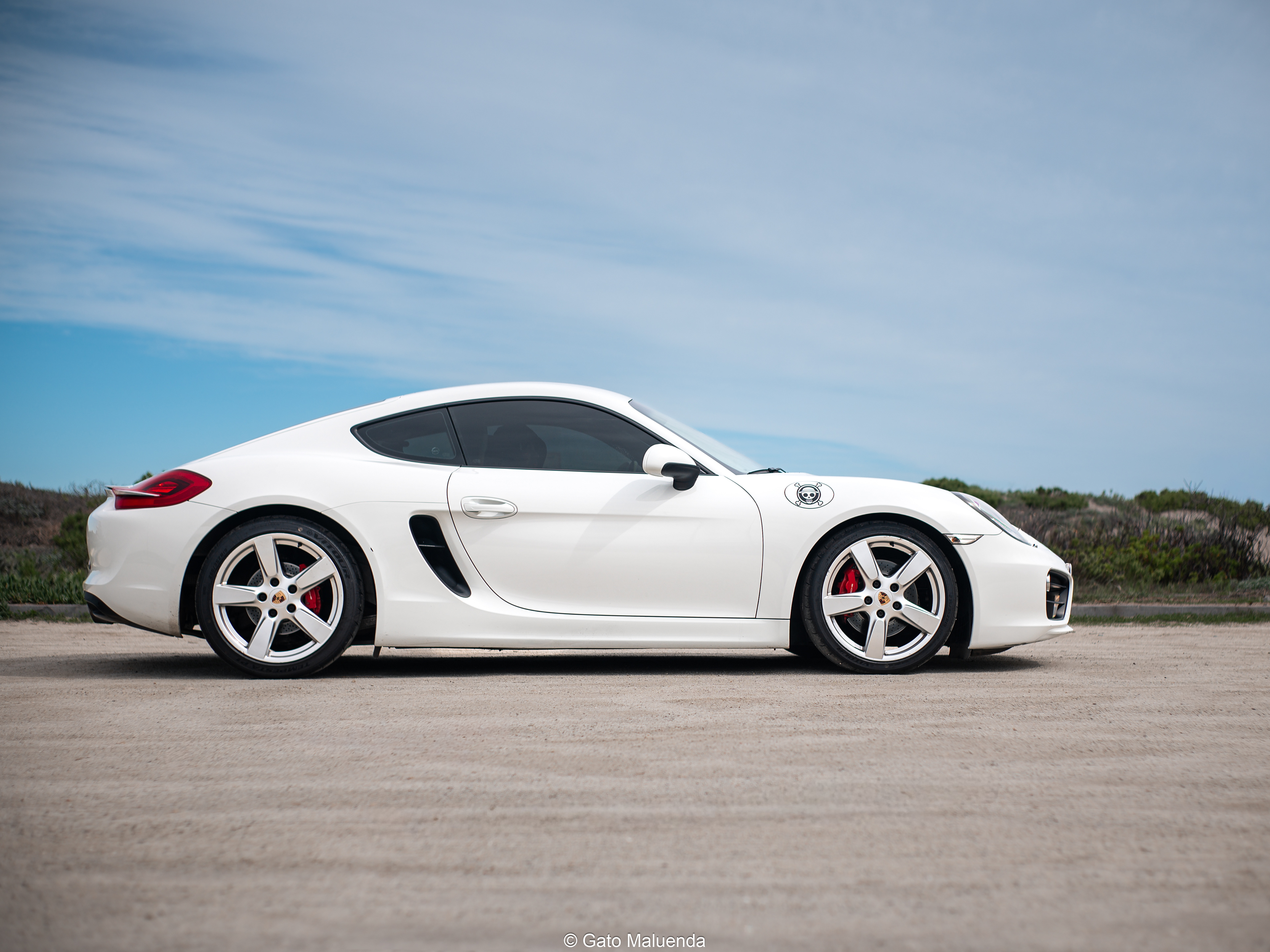
🇬🇧🇺🇸 Freedom Is Mid-Engined
If you are reading this and browsing this page, chances are you do not simply like cars: you are passionate about them. The sound of an engine,
the atmosphere at a circuit, and everything that unfolds around a race can excite you, calm you down, or simply make you happy. This story begins with that same passion, one passed down through generations.
the atmosphere at a circuit, and everything that unfolds around a race can excite you, calm you down, or simply make you happy. This story begins with that same passion, one passed down through generations.
The focus of this story is not only this beautiful white Porsche Cayman, but also its owner, Matías Campos,
and the way that family passion became something more: freedom, a statement, a line drawn in the sand.
A way of telling life: “I am still here. I still have so much left to do.”
and the way that family passion became something more: freedom, a statement, a line drawn in the sand.
A way of telling life: “I am still here. I still have so much left to do.”
For two or three weeks, Matías accelerated and braked his Porsche Cayman S using a broom handle.
It was never the plan, nor was it intended to be a permanent solution. The car was in Copiapó, and his partner had driven it down to Coquimbo.
When it finally arrived, Matías had the Porsche he had spent so long searching for right in front of him,
but it had not yet received the adaptation he needed to drive it. His excitement and impatience proved stronger than the wait.
When it finally arrived, Matías had the Porsche he had spent so long searching for right in front of him,
but it had not yet received the adaptation he needed to drive it. His excitement and impatience proved stronger than the wait.
His partner fashioned a small base at the end of the handle so it could rest more securely against the pedals.
With it, Matías was able to operate the throttle and brakes by hand. It was a completely improvised solution, but it worked.
With it, Matías was able to operate the throttle and brakes by hand. It was a completely improvised solution, but it worked.
“It simply came from how badly I wanted to drive my car,” he recalls.
The anecdote may sound like little more than a curiosity, but it contains much of what this story is about: when the conventional way is not available, another one can always be found. A few weeks later, the Cayman travelled to Santiago to receive its permanent system.
The broom handle had done its job.
The broom handle had done its job.
A Family Passion
For Matías, cars were never an interest he discovered by chance. They had been present since childhood, on both sides of his family.
His maternal grandfather was a mechanic and raced cars when he was young.
One of his uncles followed a similar path, becoming a mechanic and competing in his youth. Even his mother spent some time racing.
On his father’s side, the influence came through Formula 1. His father has always been a fan, and Matías grew up watching races with him, discussing them and sharing that fascination with motorsport.
His maternal grandfather was a mechanic and raced cars when he was young.
One of his uncles followed a similar path, becoming a mechanic and competing in his youth. Even his mother spent some time racing.
On his father’s side, the influence came through Formula 1. His father has always been a fan, and Matías grew up watching races with him, discussing them and sharing that fascination with motorsport.
He describes it as something almost genetic. Cars were part of the family language long before he could understand how they worked.
He also began driving at a very young age. His mother allowed him to take the wheel on dirt roads
and in quiet places so he could learn and become comfortable behind the wheel.
At 13, however, his life changed direction.
and in quiet places so he could learn and become comfortable behind the wheel.
At 13, however, his life changed direction.
While riding a motorcycle along a rural dirt road, he failed to see a stop sign and was struck from the side by a car.
The accident caused a spinal cord injury. He spent around three months in a clinic and later travelled to Miami,
where he worked intensively on his physical rehabilitation for approximately six months.
The accident caused a spinal cord injury. He spent around three months in a clinic and later travelled to Miami,
where he worked intensively on his physical rehabilitation for approximately six months.
Then came a stage that is harder to summarise: returning home and learning to navigate a different reality.
Driving, moving independently, and reclaiming that freedom might have seemed like things of the past.
For Matías, instead, this was the beginning of another stage, another journey, another challenge.
Driving, moving independently, and reclaiming that freedom might have seemed like things of the past.
For Matías, instead, this was the beginning of another stage, another journey, another challenge.
The accident explains an important part of his path, but it does not define who he is. His passion for cars remained.
For several years it stayed in the background, but it never disappeared. It was still there, waiting for its turn.
For several years it stayed in the background, but it never disappeared. It was still there, waiting for its turn.
Back Behind the Wheel
At around 18, his father and paternal grandfather gave him his first car: a front-wheel-drive Audi A3 2.0 turbo-diesel,
which Matías still remembers with particular affection.
which Matías still remembers with particular affection.
Driving again meant far more than returning to a hobby. It gave him the ability to move around on his own, choose where he wanted to go,
and stop depending on other people to get there. From that point forward, driving became a tangible form of independence and freedom.
and stop depending on other people to get there. From that point forward, driving became a tangible form of independence and freedom.
Then came something completely different. And entirely unreasonable. Between 2011 and 2012, he bought a 1971 Chevrolet Chevelle Malibu
powered by a 327-cubic-inch V8, equivalent to roughly 5.3 litres. It was an emotional purchase, motivated simply by how much he loved the car.
The Chevelle was large, heavy, and completely analogue. It had no traction control, limited-slip differential, or power steering.
It did not even have seat belts. Matías remembers it as a love-hate relationship, but also as the car that truly taught him how to drive.
powered by a 327-cubic-inch V8, equivalent to roughly 5.3 litres. It was an emotional purchase, motivated simply by how much he loved the car.
The Chevelle was large, heavy, and completely analogue. It had no traction control, limited-slip differential, or power steering.
It did not even have seat belts. Matías remembers it as a love-hate relationship, but also as the car that truly taught him how to drive.
He kept it until 2017, when he moved to Japan for two and a half years. Maintaining and driving it could be difficult, but that was precisely
why every mile demanded attention, sensitivity, and respect. Nothing happened behind a layer of electronic assistance.
why every mile demanded attention, sensitivity, and respect. Nothing happened behind a layer of electronic assistance.
The Unfinished Dream
Years later, Matías began searching for a car with a very specific purpose: he wanted to drive on a race circuit.
He was not looking for speed alone. He wanted to test his abilities, better understand a car’s behaviour, and begin developing as a driver.
He researched several alternatives, but the same idea kept appearing: the Cayman was one of the best cars in which to truly learn track driving.
He researched several alternatives, but the same idea kept appearing: the Cayman was one of the best cars in which to truly learn track driving.
Its mid-engine layout, balanced chassis, and ability to communicate what was happening beneath the tyres made it particularly appealing
for that purpose. And as a Porsche enthusiast, there was also an emotional component that was impossible to ignore.
for that purpose. And as a Porsche enthusiast, there was also an emotional component that was impossible to ignore.
The Car
We need to pause for a moment and talk about the other protagonist in this story: our model, the car in front of the camera.
The right one appeared in Copiapó: a 2014 Porsche Cayman S from the 981 generation. Behind the seats but ahead of the rear axle sits
a naturally aspirated 3.4-litre flat-six engine. It features an aluminium block and cylinder heads, four valves per cylinder,
and an integrated dry-sump lubrication system. From the factory, it produces 325 hp and 370 Nm of torque.
a naturally aspirated 3.4-litre flat-six engine. It features an aluminium block and cylinder heads, four valves per cylinder,
and an integrated dry-sump lubrication system. From the factory, it produces 325 hp and 370 Nm of torque.
The engine screams all the way to 7,800 rpm, while the car weighs approximately 1,350 kilograms.
With its seven-speed PDK dual-clutch transmission, it can accelerate from zero to 100 km/h in 4.9 seconds and exceed 280 km/h.
It is a true sports car, but its greatest virtue is not revealed in a straight line. It lies in the position of its engine, the concentration of its mass, and the precision with which it changes direction.
With its seven-speed PDK dual-clutch transmission, it can accelerate from zero to 100 km/h in 4.9 seconds and exceed 280 km/h.
It is a true sports car, but its greatest virtue is not revealed in a straight line. It lies in the position of its engine, the concentration of its mass, and the precision with which it changes direction.
For years, the Boxster and Cayman were looked down upon by some purists, yet their mid-engine architecture is precisely one of their greatest strengths. Matías saw in this car the opportunity to fulfil his dream of driving on track, and he did not overthink it.
Some decisions are meant to be made that way.
Some decisions are meant to be made that way.
First came the temporary solution involving a broom handle. Then came the permanent adaptation.
A Different Way of Doing the Same Thing
The current system was installed by Roller Mobility, a Santiago-based company specialising in products and solutions that provide greater independence to people with spinal cord injuries or those who use wheelchairs.
The adaptation operates through a hand control: moving it forwards applies the throttle, while pulling it backwards applies the brakes.
The kit can be installed and removed by trained specialists. The Cayman did not have to stop being a Cayman;
only the way it received its commands changed.
The kit can be installed and removed by trained specialists. The Cayman did not have to stop being a Cayman;
only the way it received its commands changed.
Like anything unfamiliar, there was a learning curve. Coordinating the movements and developing sensitivity through the hand control
required practice and time, just as any driver must learn to modulate a pedal or interpret the reactions of a new car.
Today, the system no longer takes up space in his thoughts. He does not get into the Cayman thinking about the adaptation. He gets in and drives.
required practice and time, just as any driver must learn to modulate a pedal or interpret the reactions of a new car.
Today, the system no longer takes up space in his thoughts. He does not get into the Cayman thinking about the adaptation. He gets in and drives.
“It is simply the way I drive now. To me, it feels completely natural,” he explains.
That does not mean the learning process is over. Matías insists that every driver makes mistakes, and that much of our progress comes precisely from those mistakes. No adaptation, modification, or technical aid can replace the work required to understand a car and refine one’s driving.
The Track as a Classroom
Matías’s journey on track began at Autódromo Villa Olímpica in Quilpué and continued at Huachalalume. It was there, during a Fasttime event, that one of the project’s first major results arrived: his first podium. And it was no ordinary podium. Matías took first place in the Fast Pro category.
But before the trophy came two equally important milestones. The first was driving the Cayman with all its adaptations installed; that day, he finally felt that the car was truly his. Then came his first track day, the moment when a long-postponed dream became real.
The victory at Huachalalume completed that first chapter. The passion and the learning were no longer things he felt only behind the wheel; they were beginning to show in the results.
When he talks about competing, the first word that comes up is adrenaline. The second is happiness.
More than simply beating others, he wants to understand what happens through a corner, how late he can brake, how the car delivers its power, and where his own limits lie. His motivation has changed over time. It is no longer only about driving fast, but about becoming a better driver and developing the car’s enormous potential.
A Project That Is Far from Finished
The work has already begun. The braking system has been replaced, and the rear section is now completely stripped as part of the
weight-reduction process. Even so, the Cayman is still far from its final form.
Upcoming work includes the installation of front camber plates, allowing for greater negative camber and improved front-end
behaviour on track. Matías also plans to install a half roll cage to increase safety and add rigidity to the chassis.
weight-reduction process. Even so, the Cayman is still far from its final form.
Upcoming work includes the installation of front camber plates, allowing for greater negative camber and improved front-end
behaviour on track. Matías also plans to install a half roll cage to increase safety and add rigidity to the chassis.
More modifications will follow: further weight reduction, increased chassis rigidity and, eventually, more power.
But he does not want to make every change at once. Part of the appeal lies in changing one element, returning to the track, understanding its effect, and learning once again how to extract the most from the complete package.
Every modification changes the car. To make the most of it, the driver must evolve as well.
But he does not want to make every change at once. Part of the appeal lies in changing one element, returning to the track, understanding its effect, and learning once again how to extract the most from the complete package.
Every modification changes the car. To make the most of it, the driver must evolve as well.
That shared evolution has become one of the most important parts of the project. The Cayman always provides a new objective:
servicing before the next track day, an upgrade to test, another circuit to discover, or a skill he still needs to develop.
servicing before the next track day, an upgrade to test, another circuit to discover, or a skill he still needs to develop.
For Matías, the car represents freedom, personal growth, and a simple idea we often forget:
life is happening now, and sometimes it is worth allowing yourself to fulfil a dream.
life is happening now, and sometimes it is worth allowing yourself to fulfil a dream.
That is why these photographs do not merely tell the story of a disability or an adapted Porsche. They speak of a passion inherited,
interrupted for years, and eventually reclaimed. They speak of independence, learning, and a driver who still has a long road ahead.
interrupted for years, and eventually reclaimed. They speak of independence, learning, and a driver who still has a long road ahead.
“Limits do not always mean giving up the things you love. Sometimes, they simply mean finding another way to do them.”
There are still modifications to install, weight to remove, components to develop, new circuits to discover, and tenths of a second to find. The Cayman is not finished. Neither is Matías’s evolution as a driver. And that is precisely the point.